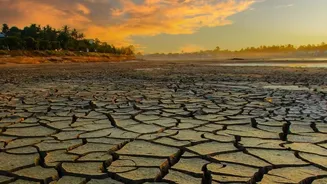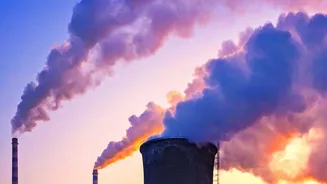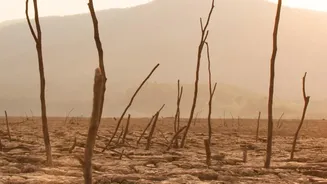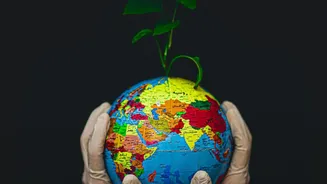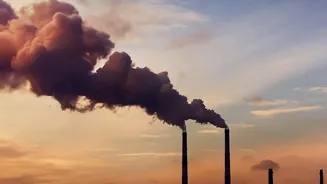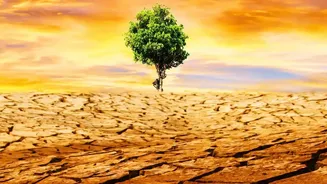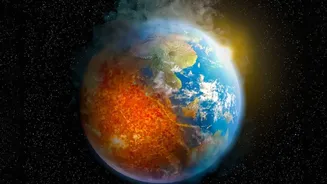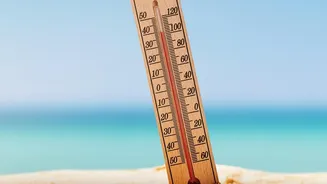




A stark new United Nations report finds that global climate efforts have stalled, pushing the world perilously close to breaching the 1.5°C warming limit. Released during the COP31 climate summit in Antalya, Türkiye, the findings paint a grim picture
of inaction.
Five Years of Stagnation
According to the independent Climate Action Tracker report, released during the UN conference, meaningful global progress on climate change has effectively stagnated for five consecutive years. While initial efforts following the 2015 Paris Agreement managed to lower the world's projected warming trajectory, that momentum has vanished. The report highlights that positive steps in some areas are being cancelled out by setbacks and a failure to implement promised policies elsewhere, leaving the world on a dangerous path. UN Secretary-General António Guterres stated bluntly that 'the climate crisis is outrunning us', describing the current trajectory as a 'path to mutually assured destruction'.
What Does a 'Stall' Mean?
The stall in climate action refers to the widening gap between what countries have pledged to do and what is scientifically required to prevent catastrophic warming. A key analysis from the UN Environment Programme (UNEP), the 'Emissions Gap Report 2026', confirms that the goal of limiting warming to 1.5°C without overshooting the target is now considered out of reach. Current policies have the world on track for a devastating 2.8°C of warming by 2100. Even if all current national promises are fully met, warming is projected to hit 2.6°C, a level that would trigger far more extreme weather events, sea-level rise, and ecological collapse than we see today.
Why the 1.5°C Limit is Critical
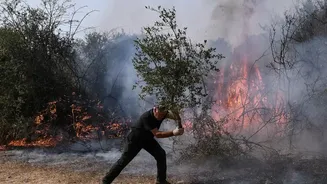
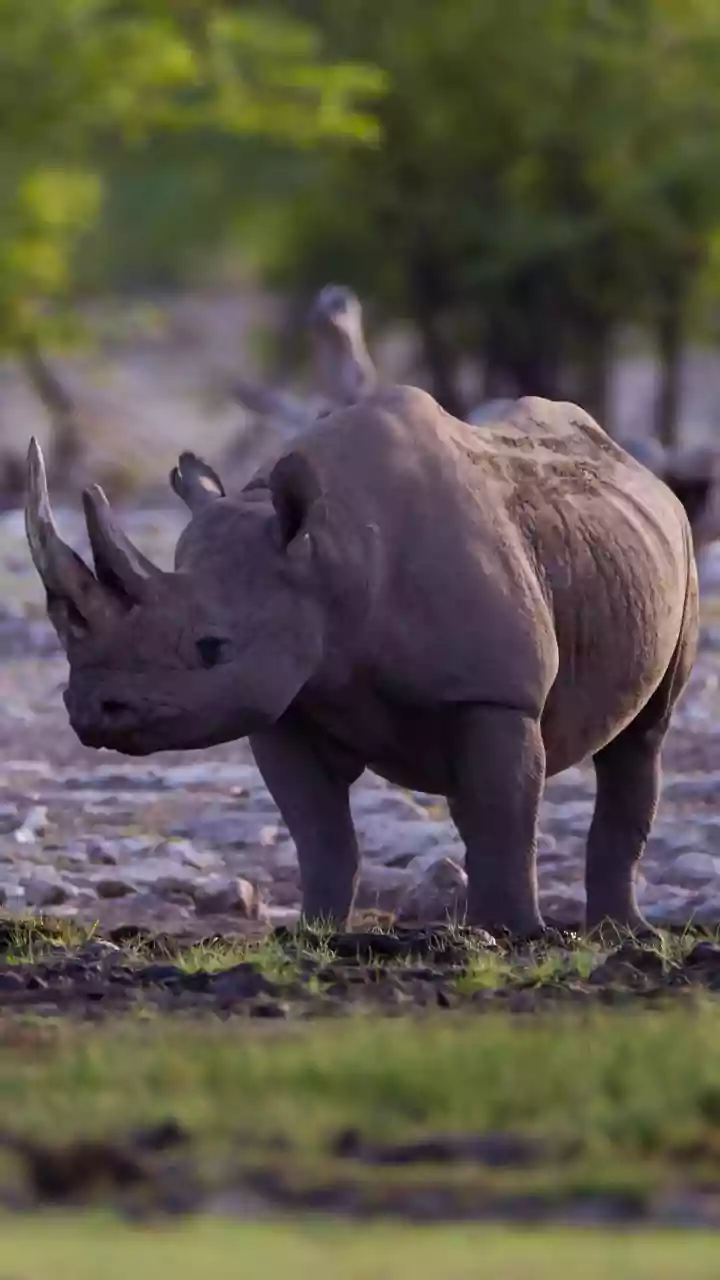
The 1.5°C target, enshrined in the Paris Agreement, is not an arbitrary number. It represents a critical scientific threshold beyond which the impacts of climate change are expected to become exponentially more severe. For many vulnerable nations, particularly low-lying island states, it is seen as a literal lifeline. Exceeding this limit, even temporarily, increases the risk of triggering irreversible tipping points, such as the collapse of major ice sheets or the die-off of vital ecosystems like the Amazon rainforest. UN officials warn that every fraction of a degree of warming brings more frequent and intense heatwaves, floods, and wildfires, directly threatening lives, economies, and global stability.
Overshoot is the New Reality
With the 1.5°C goal now deemed unattainable without a period of 'overshoot', the conversation among scientists and policymakers has shifted. The focus is now on limiting the magnitude and duration of that overshoot. The UNEP report outlines a best-case scenario where warming peaks at around 1.7°C to 1.8°C before potentially being brought back down by the end of the century. However, achieving this less‐dire outcome requires drastic and immediate action: global greenhouse gas emissions must be slashed by 45% by 2035 compared to 2025 levels. This is a monumental task, as current pledges are on track to deliver only an 11‐15% reduction in that timeframe.
A Crisis of Finance and Will
A major factor contributing to the stall is a severe shortfall in climate finance. A separate UN report on the 'Adaptation Gap' found that funding from wealthy nations to help poorer countries adapt to climate impacts has been flat or even falling. Developing nations require an estimated $305 billion annually by 2035 just to build resilience, yet international public finance flows in 2024 were less than $32 billion. This financial gap is compounded by a lack of political will, as global crises like wars and inflation divert attention and resources. Leaders at the COP31 summit are being urged to not only strengthen their emission reduction targets but also to finally deliver on long‐overdue financial commitments.