




The Soul of Monsoon Comfort
For generations, the arrival of the rains in India has been synonymous with specific culinary rituals. A plate of crispy pakoras with chai, the aroma of roasted bhutta on the street, or a steaming bowl of soup are deeply woven into the season's fabric.
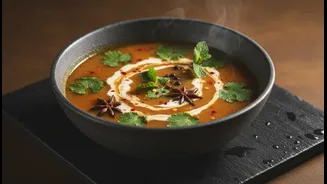
In kitchens across the country, the response to a downpour has been a warm, nourishing broth. In the South, it's the peppery, tangy rasam, a thin soup celebrated for its digestive and healing properties. In the North, it's the heartier shorba, a slow-simmered stew often made with lentils or meat. These dishes are more than just food; they are a form of preventative wellness, designed to boost immunity and aid digestion when the damp weather makes the body sluggish.
A Modern Culinary Remix
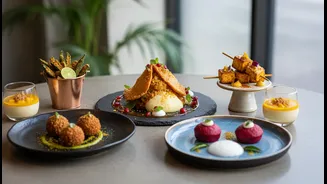
This monsoon, however, tradition is getting a playful and inventive update. Chefs are looking at these classic comfort dishes not as fixed recipes, but as canvases for innovation. The core idea remains the same—a warm, life-giving broth—but the ingredients and flavour profiles are being reimagined for a contemporary palate. This isn't about replacing the classics, but rather expanding the definition of what a monsoon broth can be. It reflects a broader shift in Indian cuisine, where chefs are confidently blending local heritage with global inspirations.
Global Flavours in a Local Bowl
The new monsoon menus popping up in cities like Mumbai, Delhi, and Bengaluru are a testament to this creative fusion. You might find a Kaffir Lime Rasam at a restaurant in Goa, adding a Thai-inspired citrusy note to the South Indian staple. In Mumbai, one eatery offers a Malaysian Laksa Bowl, combining the beloved coconut-based spicy noodle soup with a choice of chicken or tofu, perfect for a rainy day. Another establishment experiments with Korean-style samosas and a dish called 'Ramen in Rain', a clear nod to the global appeal of Japanese noodle soups. These creations show a willingness to borrow techniques and ingredients from across Asia and beyond, creating flavour combinations that are both surprising and deeply satisfying. Even classic European concepts get an Indian monsoon twist, like a French-inspired high tea featuring a masala chai enrobed dessert.
The Rise of the 'Concept' Broth
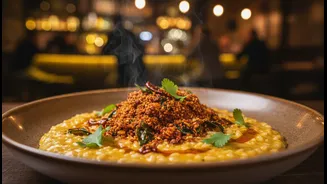
Beyond just adding new ingredients, chefs are also deconstructing and reinventing the very form of these broths. Think of a 'Mushroom Quinoa Sheekh', where the texture and earthiness of a traditional kebab are presented in a modern, lighter format perfect for the season. Some restaurants are offering entire menus centered around inventive bowls, like a Millet Khichdi Power Bowl or a Caribbean Coconut Bowl, which use broth as a base for a complete, nutritious meal. The idea is to provide warmth and comfort without the heaviness, aligning with a growing preference for lighter, healthier-yet-flavourful meals. Even classic desserts are not immune, with one Delhi cafe offering a hot chocolate served with a croissant for a comforting, rain-soaked evening.
Nostalgia Meets Innovation
Ultimately, this trend is driven by a desire to connect with the past while living in the present. The comfort of a warm bowl of soup on a rainy day is a universal, nostalgic feeling. Today’s chefs are tapping into that collective memory and giving it a fresh, exciting voice. They are proving that traditional recipes are not relics to be preserved under glass, but living traditions that can evolve, adapt, and absorb new influences. By blending the familiar warmth of a homemade rasam with the excitement of a new flavour, they are creating a monsoon experience that is both comforting and completely of the moment.