

Buying in Bulk to Avoid the Rain
It’s tempting to stock up on groceries to avoid making trips in the rain, but this is a common mistake during the monsoon. The longer food sits in a humid kitchen, the higher the chance of spoilage. Flours can attract insects, biscuits and chips lose
their crunch, and even dry fruits can go bad when exposed to moisture in the air. Instead of hoarding, it's better to buy essentials in smaller quantities more frequently. This ensures that you are always using fresher ingredients and reduces the risk of having to throw away food that has spoiled due to prolonged storage in damp conditions.
Not Using Airtight Containers
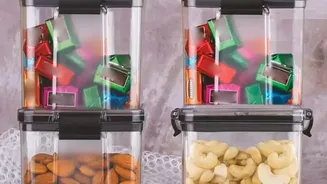
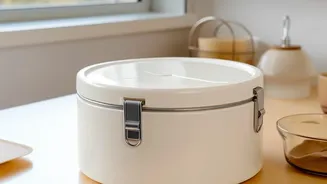
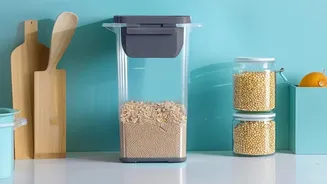
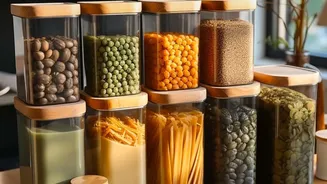
Leaving food items in their original paper or thin plastic packaging is an open invitation for moisture. During the monsoon, ambient humidity can easily seep into poorly sealed containers, causing dry goods like spices, salt, sugar, and flours to clump and spoil. The simple solution is to invest in good quality airtight containers. Transfer items like pulses, grains, spices, and snacks into glass or BPA-free plastic jars with tight-fitting lids immediately after opening them. This creates a physical barrier against the damp air, preserving texture and flavour while keeping pests out.
Storing Produce Without Drying It First
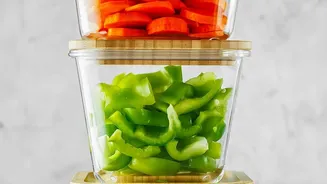
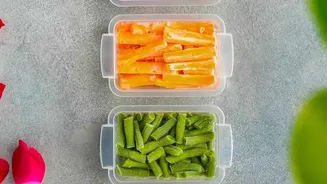
Washing fruits and vegetables is a crucial hygiene step, but storing them while they are still wet is a recipe for disaster, especially during the monsoon. Excess moisture on the surface of produce accelerates the growth of mould and bacteria, causing items like leafy greens to rot quickly and other vegetables to become slimy. Before refrigerating any produce, gently pat it dry with a clean cloth or paper towel. For leafy greens, you can wrap them in a paper towel before placing them in a container to absorb any residual moisture.
Keeping Everything on the Counter or Floor
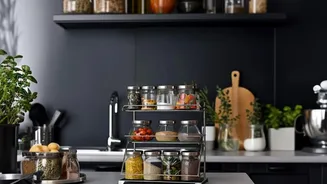
Kitchen counters and floors can be surprisingly humid spots. Leaving bags of rice, potatoes, or onions directly on a cold tile floor can introduce hidden moisture, leading to rot and mould. Similarly, thawing frozen meat or leaving cooked food on the counter for extended periods is risky. The warm, humid air creates a 'danger zone' where bacteria can multiply rapidly. It is best to store dry goods on elevated shelves or wooden planks to allow for air circulation. Perishable items and leftovers should be refrigerated promptly, within a couple of hours at most.
Ignoring Your Refrigerator's Humidity Settings
The refrigerator is a key tool in the fight against spoilage, but many people don't use it to its full potential. Most modern refrigerators have crisper drawers with adjustable humidity controls. Fruits and vegetables have different needs; for instance, leafy greens benefit from high humidity to prevent wilting, while fruits that rot easily, like apples and peppers, do better in low humidity. Storing everything together without considering these needs can cause some items to spoil faster. Check your refrigerator’s manual and use these settings correctly to extend the life of your produce.
Overlooking Dark and Damp Cabinets
That dark cabinet under the sink or in a corner might seem like a convenient storage spot, but it’s often a hub for moisture and musty smells during the monsoon. Poor ventilation in these spaces creates an ideal environment for fungus and insects to thrive. Before the rains set in, it’s wise to air out all your cabinets. You can place natural moisture absorbers like camphor balls, silica gel packets, or a small open box of baking soda inside to combat dampness. This simple step can protect both your stored food and the cabinets themselves.