






The Scale of the Power Drain
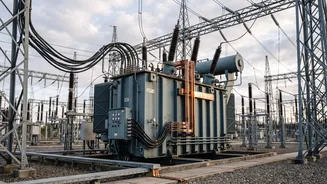
The digital world is built on physical infrastructure, and that infrastructure is incredibly thirsty for power. The recent study, led by researchers at Harvard University and published in 'Nature Sustainability', provides a stark picture of this reality.
It analyzed 403 of the largest 'hyperscale' data centers in the United States between May 2024 and April 2025. The findings are eye-opening: these facilities alone consumed between 68 and 99 terawatt-hours of electricity. To put that in perspective, the upper estimate is roughly equivalent to the annual energy consumption of entire US states like Michigan or Tennessee, or a country like Denmark. This usage represented about 1.8% of all electricity consumed in the U.S. during that period.
The Carbon Footprint of the Cloud
This massive energy use has a direct environmental cost. The Harvard research calculated that the electricity powering these data centers was associated with approximately 25.7 million metric tons of carbon dioxide emissions. This figure is two to three times higher than estimates from 2018, highlighting a rapid escalation in the industry's environmental impact. A key reason is that despite the tech industry's green pledges, more than half of the electricity consumed by these data centers came from burning fossil fuels, primarily natural gas (38%) and coal (15%). Some of the largest clusters of data centers are located in regions where the power grid is dirtier than the national average, compounding the problem.
AI: The New Energy Accelerator
The primary driver behind this explosive growth is the artificial intelligence boom. Training and running large AI models are computationally intensive tasks that require immense processing power, housed in these very data centers. The researchers behind the Harvard study note that their data collection ended in April 2025, which, in the fast-moving world of AI, is considered 'ancient history'. Since then, the number of data centers has continued to climb, and demand for AI services has skyrocketed. This suggests the study's already striking figures are likely an underestimate of the current energy burden. The report underscores that the AI revolution, for all its promise, is being powered by an energy infrastructure that is straining grids and increasing emissions.
Why It Matters for India
While the study focuses on US infrastructure, its implications are global and highly relevant for India. The cloud does not have borders; services like Google, Microsoft Azure, and Amazon Web Services, which run on these data centers, are the backbone of India's booming digital economy. The energy costs and environmental impact in the U.S. can influence the pricing and sustainability of services used by millions of Indian businesses and consumers. Furthermore, as India builds out its own domestic data center capacity to support its 'Digital India' initiatives, the Harvard study serves as a critical case study. It highlights the urgent need to plan for sustainable growth, prioritize energy-efficient design, and invest in renewable energy sources to power this new infrastructure, avoiding the carbon-intensive path that has been followed elsewhere.
The Search for a Greener Digital Future
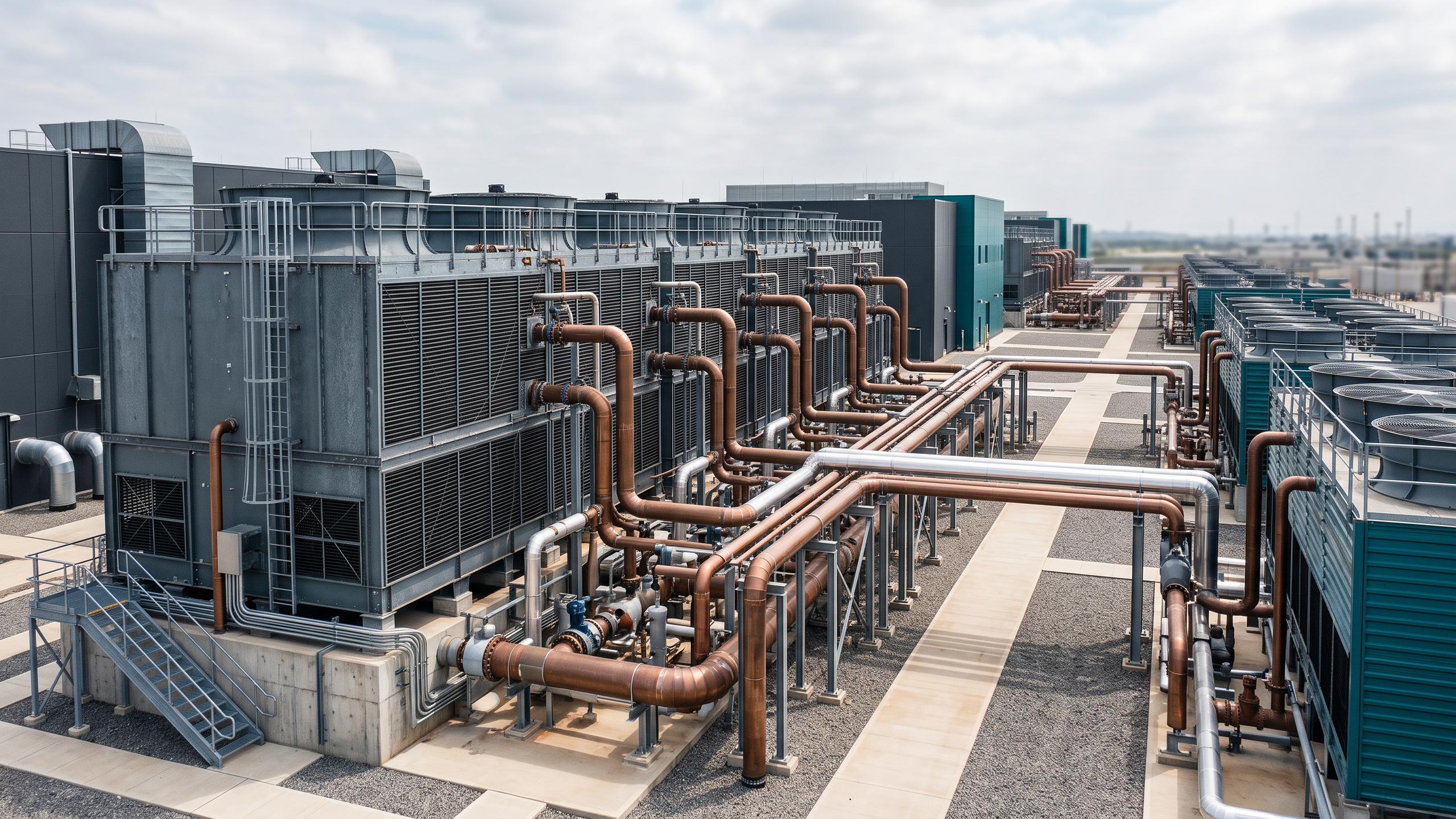
Addressing this energy burden is now a critical imperative for the tech industry. The challenge requires a multi-pronged approach. This includes innovations in computing hardware to make chips more energy-efficient and advancements in cooling technologies, which are a major source of electricity consumption in data centers. Microsoft's experiments with liquid immersion cooling, for example, show potential for significant energy savings. Beyond hardware, there is a growing push for greater transparency from tech companies about their energy use and carbon footprint. Ultimately, powering the digital future sustainably will require a decisive shift away from fossil fuels and a massive investment in clean, renewable energy to power the grids that data centers rely on.