





Why India is a Top Contender
Few countries can offer the sheer diversity of experiences found across India. It is a place where you can track a Royal Bengal tiger in the morning and explore a centuries-old fortress by afternoon. This unique combination is a major reason why India is trending
as a key destination for discerning travellers. The country is home to nearly 75% of the world's wild tigers and boasts a staggering number of UNESCO World Heritage Sites, from ancient temples to entire historic cities. This dual offering of profound natural beauty and deep cultural history makes it a compelling choice for those seeking a journey that is both thrilling and enriching. As modern travellers increasingly look for meaningful and varied experiences, India’s ability to deliver both adventure and soul-stirring history in a single trip sets it apart.
The Call of the Wild
India's commitment to wildlife conservation has resulted in a thriving network of over 100 national parks and more than 500 wildlife sanctuaries. For many, the main attraction is the majestic Bengal tiger, and parks in Central India like Bandhavgarh and Kanha National Parks offer some of the highest tiger densities and best sighting opportunities in the country. Ranthambore National Park in Rajasthan is another prime location, famous for its dramatic landscapes where tigers roam among ancient ruins. But the experience goes far beyond tigers. Kaziranga National Park in Assam is a sanctuary for the great one-horned rhinoceros, while Gir National Park in Gujarat is the last remaining natural habitat of the Asiatic lion. This ecological diversity, from dense jungles to Himalayan foothills, ensures that every safari is a unique adventure.
A Journey Through Time
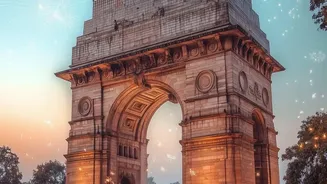
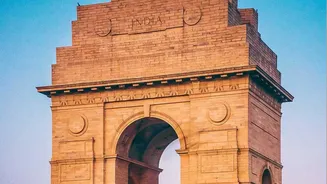
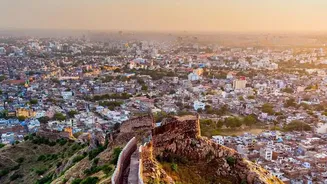
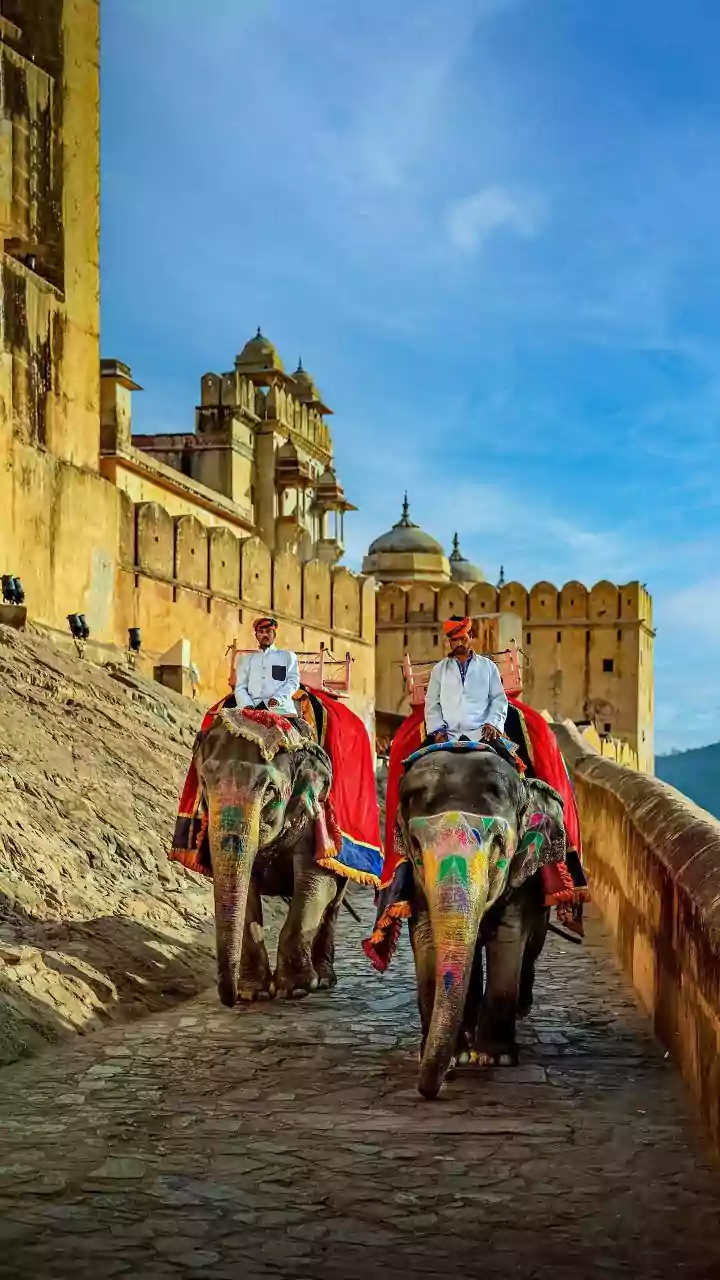
India’s heritage is not confined to museums; it is a living, breathing part of the landscape. The country has dozens of UNESCO World Heritage sites, ranging from the iconic Taj Mahal in Agra to the magnificent cave temples of Ajanta and Ellora. Beyond these famous landmarks, countless other sites offer a deep dive into the nation's past. In Rajasthan, cities like Jaipur and Jodhpur are home to spectacular forts and palaces that tell tales of royal grandeur. In the south, the Great Living Chola Temples in Tamil Nadu stand as a testament to incredible architectural prowess. Lesser-known gems, such as the stepwells of Gujarat like Rani ki Vav or the ancient ruins of Hampi, provide a powerful sense of discovery. Many of these historical properties have been converted into heritage hotels, allowing visitors to not just see history, but to live within it.
Planning Your 2027 Trip
Combining wildlife and heritage in a single itinerary is where India truly shines. A popular route is the 'Golden Triangle' (Delhi, Agra, and Jaipur) paired with a safari in Ranthambore National Park. This allows travellers to experience Mughal and Rajput history before venturing into tiger territory. Another excellent option is to explore the temple complexes and ruins of Madhya Pradesh, which is also home to several of the nation's top tiger reserves, including Kanha, Pench, and Bandhavgarh. For a southern journey, one could combine the ancient temples of Tamil Nadu with a visit to the wildlife sanctuaries of the Western Ghats. As eco-tourism and sustainable travel become more prominent, many lodges and tour operators are focusing on responsible practices that support local communities and conservation efforts, making it easier for travellers to make a positive impact.