
The Machu Picchu Paradox
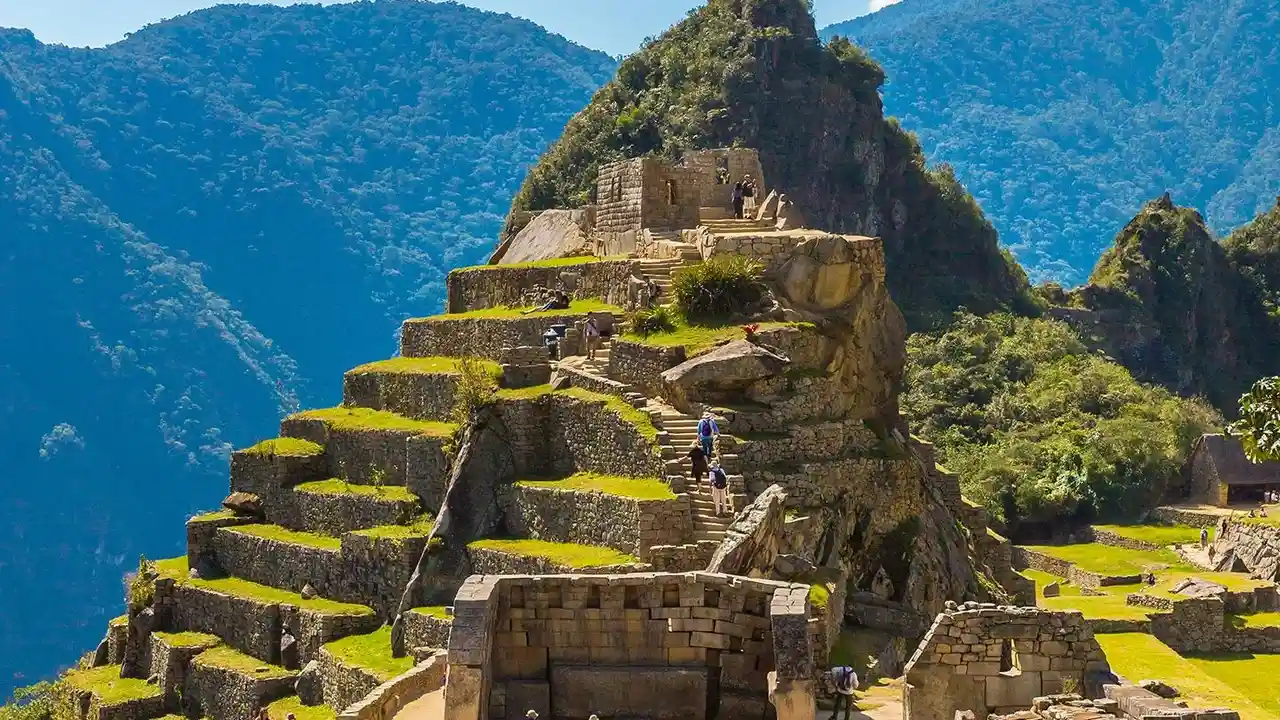
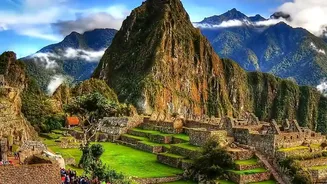
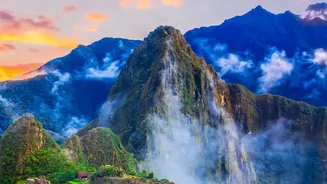
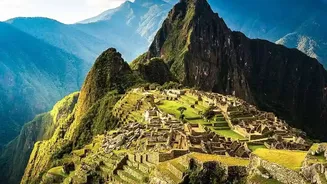
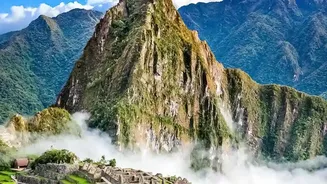
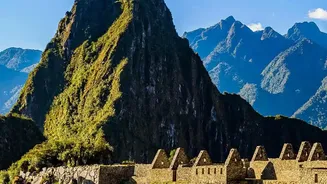
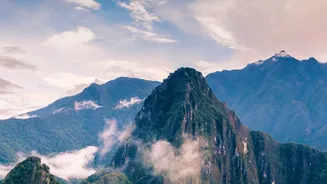
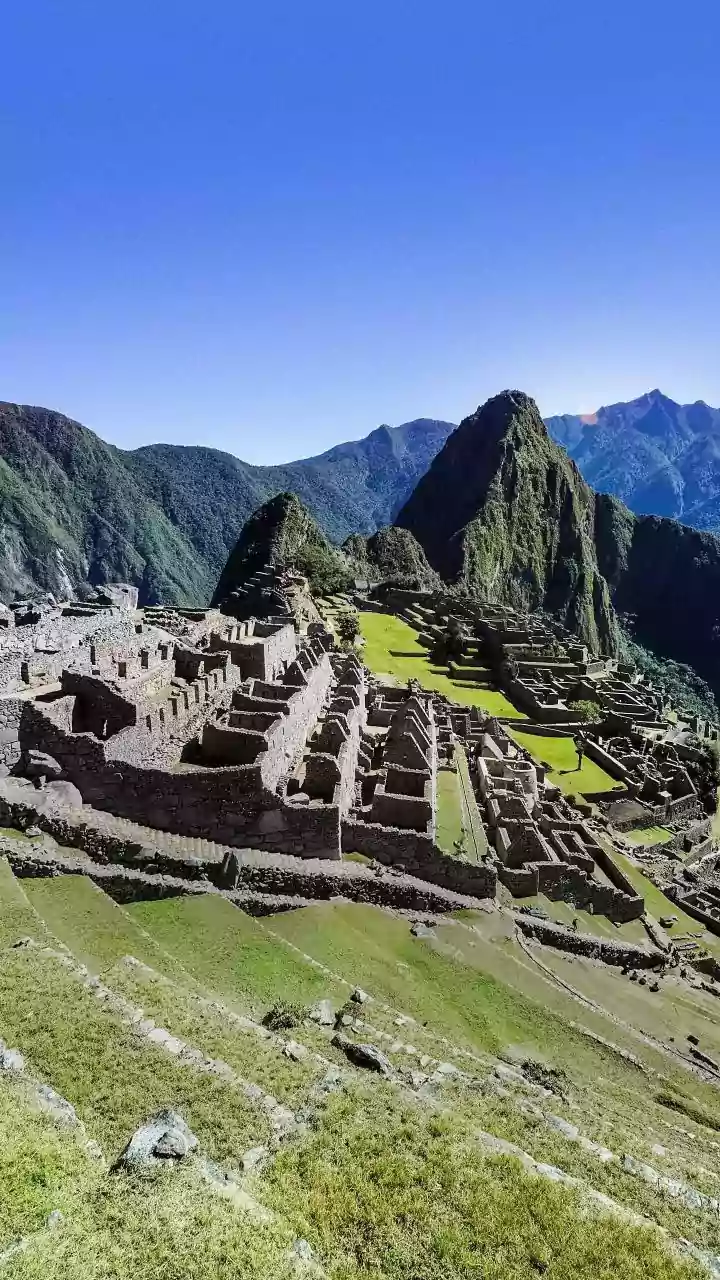
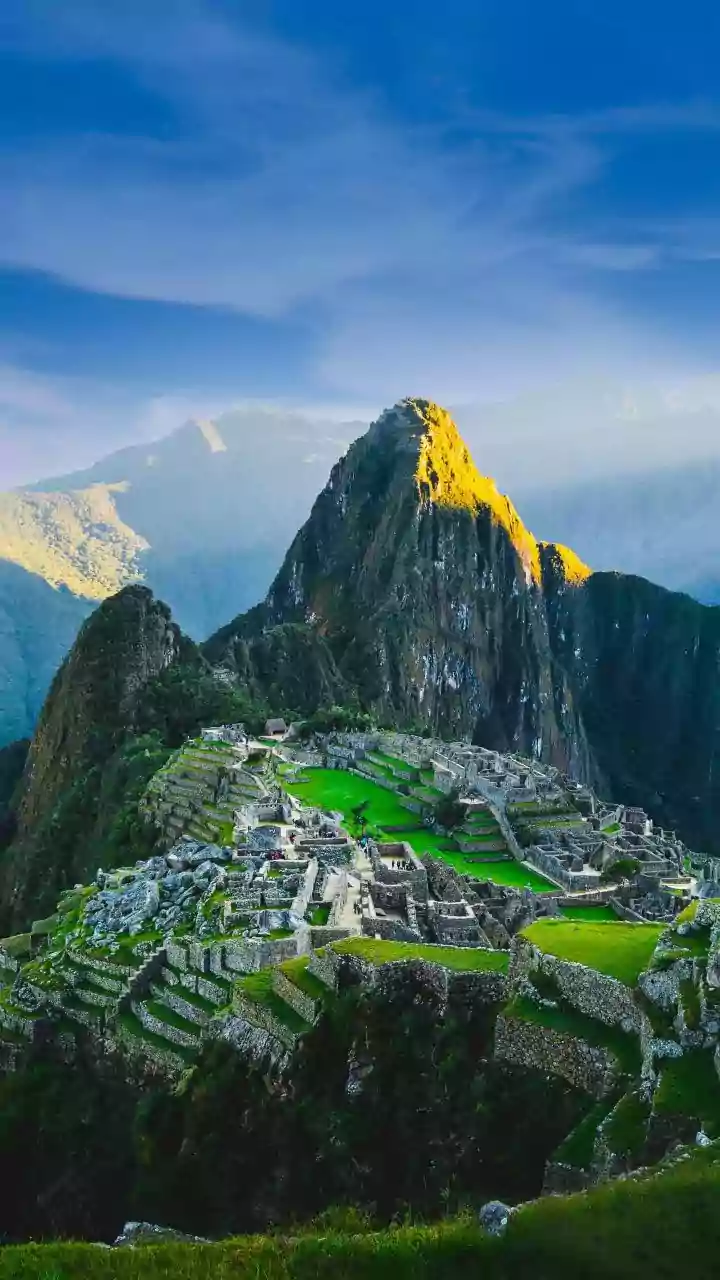
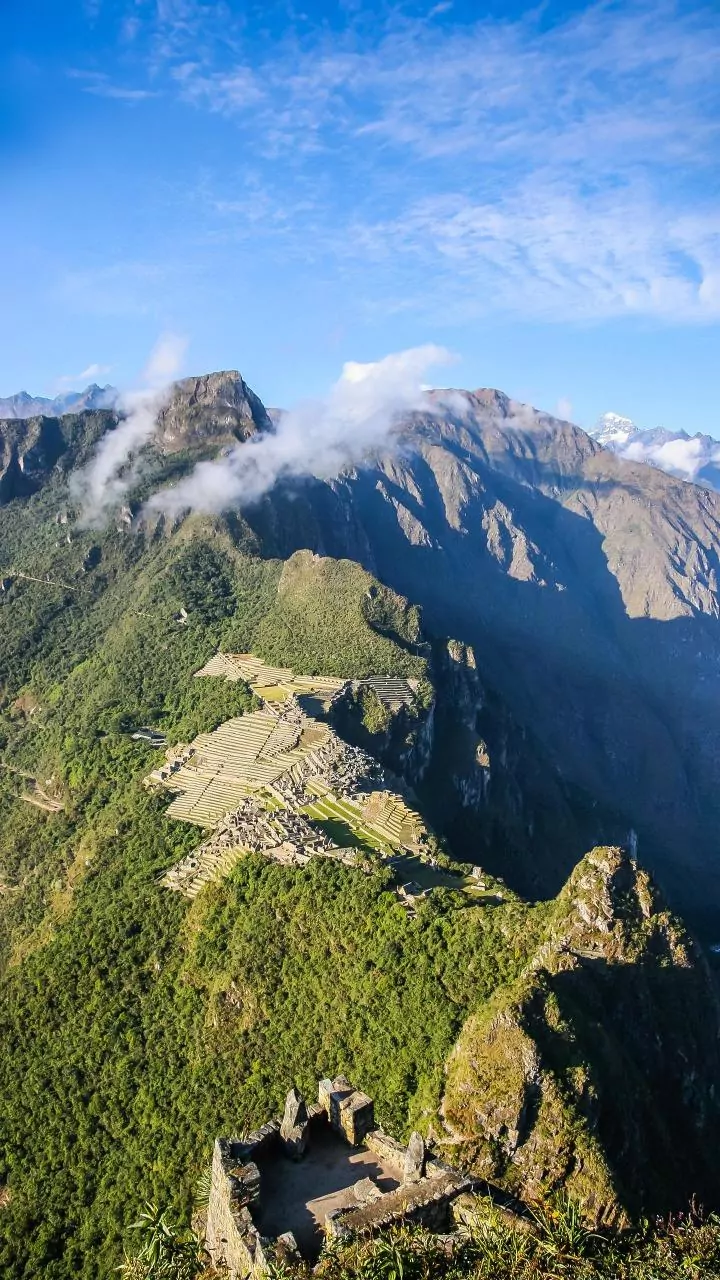
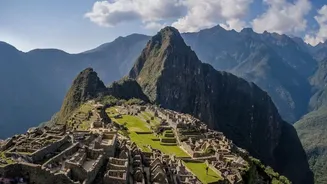
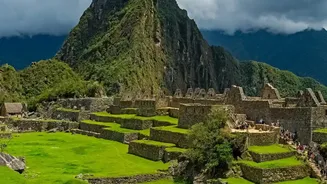
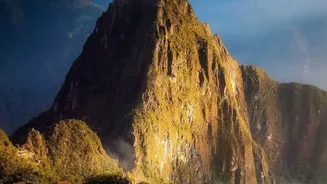
Machu Picchu is, without question, a wonder of the world. Yet, the experience of visiting this 15th-century Inca citadel is now a highly regulated and often crowded affair. To protect the fragile ruins from the sheer volume of visitors, authorities have
implemented a system of strict daily quotas, timed entry slots, and mandatory, one-way circuits. During peak season, the daily visitor limit can reach 5,600 people. This means that instead of quiet contemplation among ancient stones, your visit might be characterised by following a slow-moving line of people, with limited time to soak in the atmosphere. The iconic photo from the Guard House is still possible, but the sense of discovery has been replaced by a carefully managed, and sometimes rushed, tour. Tickets must be booked far in advance, and the logistics of getting there—via train, bus, and then a shuttle—all involve their own queues and potential for congestion.
Rainbow Mountain's Faded Brilliance
Vinicunca, or Rainbow Mountain, exploded in popularity thanks to social media. Images of its vibrant, multi-coloured slopes created a new must-see destination near Cusco. The reality, however, can be underwhelming and physically gruelling. The trek is at a very high altitude, over 5,000 meters, which poses a risk of altitude sickness. The mountain itself now sees significant foot traffic, with reports of up to 1,000 visitors a day, creating bottlenecks along the trail and at the single main viewpoint. This heavy traffic has led to noticeable soil erosion and environmental degradation, scarring the very landscape people come to admire. Furthermore, many visitors find that the colours in person are not as saturated as the heavily filtered photos online suggest, leading to a sense of disappointment after a difficult trek. While the tourism provides income for local communities, the sheer volume threatens the site's long-term sustainability.
Huacachina's Shrinking Oasis
The desert oasis of Huacachina, a tiny lagoon surrounded by massive sand dunes, is a postcard-perfect image. It has become a hotspot for dune buggying and sandboarding. However, this popularity comes at a steep environmental cost. The lagoon's water level has been dropping for decades, primarily due to the expanding agriculture and urban water use in the surrounding Ica Valley, which draws heavily on the same underground aquifer. To maintain the oasis for tourism, water has been pumped into the lagoon since around 2015. The natural ecosystem is under strain, and the oasis is now more of a managed attraction than a natural wonder. While the adventure sports are a thrill, the experience is often accompanied by the noise and pollution of dune buggies and a party-focused atmosphere that some feel detracts from its natural beauty.
Discovering the Alternatives
The good news is that Peru is a vast and diverse country with countless breathtaking sites that offer a more authentic and less crowded experience. Instead of Machu Picchu, consider a trek to Choquequirao, its larger, more remote 'sister city' that sees only a handful of visitors per day. For a different kind of ancient history, the pre-Inca fortress of Kuelap in northern Peru, known as the 'Machu Picchu of the North', offers stunning cloud forest scenery and unique circular stone structures with far fewer crowds. Instead of the crowded Rainbow Mountain, Palcoyo Rainbow Mountain offers a similar geological spectacle with a gentler hike and a fraction of the visitors. And for spectacular nature, the Gocta Waterfall, one of the tallest in the world, remains a relatively hidden gem in the Chachapoyas region, offering a rewarding hike through lush jungle. Exploring these alternatives not only helps alleviate pressure on the overrun sites but also supports different local economies and reveals a deeper, more varied picture of Peru's incredible heritage.