






The Challenge of Working Out in Humidity
When you exercise in high humidity, the air is already saturated with moisture. This makes it harder for your sweat to evaporate, which is your body's primary way of cooling down. As a result, your internal body temperature can rise more quickly, putting
extra strain on your cardiovascular system. Your body tries to compensate by sweating even more, leading to a rapid loss of fluids and essential minerals, which can cause dehydration, fatigue, and decreased performance. This is why simply drinking plain water sometimes isn't enough to feel fully re-energised.
Why Electrolytes are Crucial
Electrolytes are minerals that carry an electric charge and are vital for your body to function correctly. The main ones lost through sweat are sodium, potassium, and magnesium. These minerals play a key role in maintaining fluid balance, enabling muscle contractions, and transmitting nerve signals. When your electrolyte levels drop during a sweaty workout, you might experience muscle cramps, weakness, and fatigue. Replenishing them is just as important as replacing the water you've lost, as they help your body absorb and use that water more effectively.
Coconut Water: Nature's Sports Drink
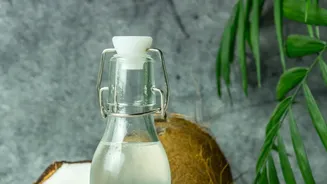
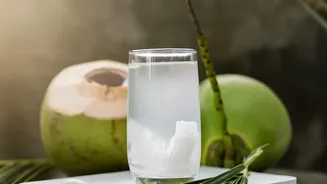
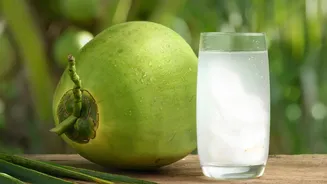
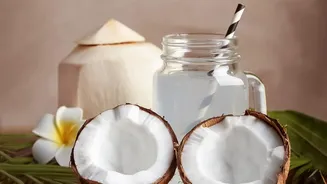
This is where coconut water comes in. Often called 'nature's sports drink', the clear liquid from young green coconuts is naturally packed with electrolytes. Its standout feature is its high potassium content, often containing more than a banana per serving. Potassium is crucial for muscle function and can help prevent cramps. Coconut water also provides other electrolytes like magnesium, calcium, and some sodium, along with natural sugars for a gentle energy boost. This makes it an excellent natural base for a workout hydration drink.
A Smarter Choice Than Sugary Drinks?
Compared to many commercial sports drinks, coconut water is lower in calories and free from artificial flavours and sweeteners. While some studies show that for elite athletes in extreme conditions, commercial drinks with higher, scientifically formulated sodium levels might be necessary, for most moderate to intense workouts, coconut water is a fantastic alternative. Research has found it can be just as effective for rehydration as sports drinks. The key is that sweat loses a lot of sodium, and coconut water is naturally lower in sodium than it is in potassium. However, this is easily fixed by customising your drink.
Easy DIY Coconut Water Electrolyte Drinks
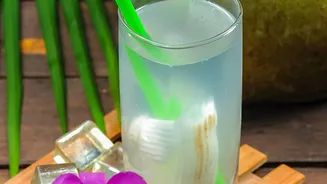
You can easily boost coconut water's rehydration power by adding a couple of simple ingredients. The most important addition is a pinch of salt to increase the sodium content, which is the primary electrolyte lost in sweat. Here are a few simple recipes to try: The Classic Refresher: Mix 1 cup of coconut water with a pinch of Himalayan pink salt or sea salt and a generous squeeze of lime juice. The salt replenishes sodium, while the lime adds flavour and Vitamin C. The Energy Booster: Blend 1 cup of coconut water with 1/2 cup of fresh orange juice, a pinch of salt, and a teaspoon of honey. The fruit juice provides quick-acting carbohydrates for energy. * The Soothing Cooler: Combine 1 cup of coconut water with a few crushed mint leaves, a pinch of salt, and a small amount of grated ginger. Ginger can help soothe the stomach, which some people experience during intense exercise.
When and How to Hydrate
For best results, don't wait until you're thirsty to start drinking. Begin sipping your coconut water electrolyte drink about an hour before your workout. During a particularly long or intense session (over 75 minutes), continue to take small sips every 15-20 minutes. Afterwards, finish your drink to help your muscles recover and restore your body's fluid balance. Always listen to your body; individual hydration needs can vary based on the intensity of the workout, the weather, and your personal sweat rate.