






Plan Before You Party
One of the most effective strategies for mindful eating begins before you even arrive at a gathering. Arriving at a party extremely hungry can derail your best intentions, making you more likely to overeat. A simple trick is to have a small, healthy snack
before you leave home. Something rich in protein or fibre, like a handful of nuts, a piece of fruit, or some yoghurt, can curb intense hunger pangs and empower you to make more deliberate choices from the festive spread. It is also helpful to plan your social calendar. By identifying the main feast days, you can create lighter 'buffer' days before and after, focusing on simpler, home-cooked meals to balance your overall intake.
Survey the Scene and Use a Smaller Plate
Buffets and potlucks can be overwhelming with their sheer variety. Instead of diving in immediately, take a moment to scan all the available options. This allows you to consciously decide what you truly want to eat, rather than piling your plate with the first few things you see. Once you have surveyed the options, reach for a smaller plate if one is available. Research and practical experience show that using a smaller plate can help with portion control, as you are physically limited in how much you can serve yourself at one time. This simple environmental cue helps prevent mindless loading of your plate.
The Art of a Balanced Festive Plate
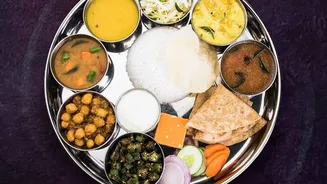
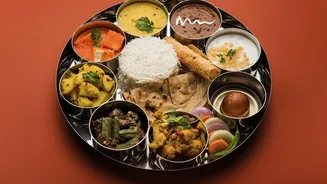
A useful rule of thumb for any meal, including festive ones, is to structure your plate consciously. Aim to fill half of your plate with vegetables or a fresh salad. These high-fibre options are nutrient-dense, help you feel full, and leave less room for richer dishes. Dedicate one-quarter of your plate to a source of protein, such as dal, paneer, or lean meat. Protein is excellent for enhancing satiety and keeping you satisfied for longer. The final quarter can be for carbohydrates—your favourite pulao, roti, or potato dish. This balanced approach ensures you get a taste of everything without any single component dominating the meal.
Savour, Slow Down, and Socialise
Mindful eating is fundamentally about being present. Instead of rushing through your meal, make a conscious effort to eat slowly. Put your fork down between bites, chew thoroughly, and truly savour the flavours, textures, and aromas of the food. It takes about 20 minutes for your brain to receive fullness signals from your stomach. Eating slowly gives your body time to register these signals, helping you recognise when you are satisfied rather than uncomfortably stuffed. Engage in conversation and shift your focus from just eating to enjoying the company. When you finish your plate, move away from the buffet table to reduce the temptation for mindless second helpings while you chat.
Navigating Sweets and Social Pressure
Festive seasons in India are synonymous with mithai and other sweets. Depriving yourself completely can often backfire, leading to intense cravings. The key is moderation. Give yourself permission to enjoy the treats you love, but do so mindfully. Have one piece and eat it slowly, appreciating every bite. Another challenge is social pressure from hosts encouraging you to eat more. Learning to politely say no is a valuable skill. A simple, "It was delicious, thank you, but I'm quite full now" is usually enough. If you're holding a drink, you can sip it slowly throughout the event, which often deters people from offering you more.
Hydrate and Stay Active
Staying hydrated is crucial, as thirst can often be mistaken for hunger. Drink plenty of water throughout the day. Having a glass of water before a meal can also help you feel gently full and manage your appetite. Be mindful of sugary drinks and cocktails, which can add significant calories. Also, don't forget to stay active. A brisk walk before or after a large meal can aid digestion and boost your mood. Participating in festive activities like dancing or helping with preparations are great ways to keep moving.