




A New STRIDE for Martian Exploration
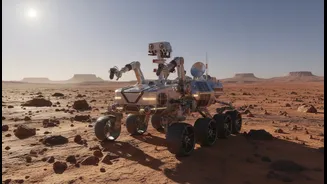
In a significant move to accelerate Mars exploration, NASA recently awarded contracts to seven companies under a new initiative. This program, named Science Transport and Robotic Innovation for Deployment and Exploration (STRIDE), is focused on developing
the next generation of robotic mobility on the Red Planet. With a total potential value of approximately $17 million, these contracts bring in private sector innovation to tackle some of the biggest challenges of Martian exploration. The selected companies are set to begin work in the fall of 2026, marking a pivotal step in NASA's public-private partnership strategy for space. This approach allows the agency to tap into commercial ingenuity to identify and fill crucial technology gaps for future missions.
What Will These New Robots Do?
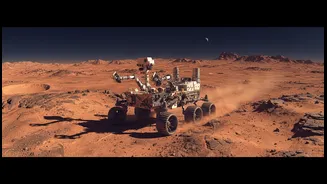
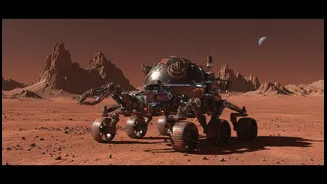
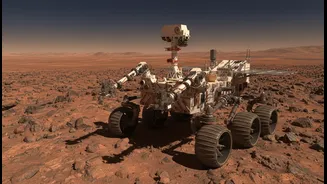
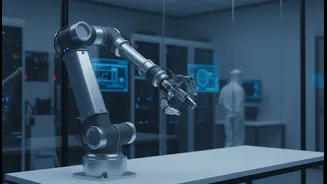
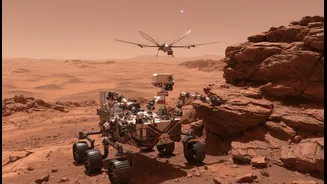
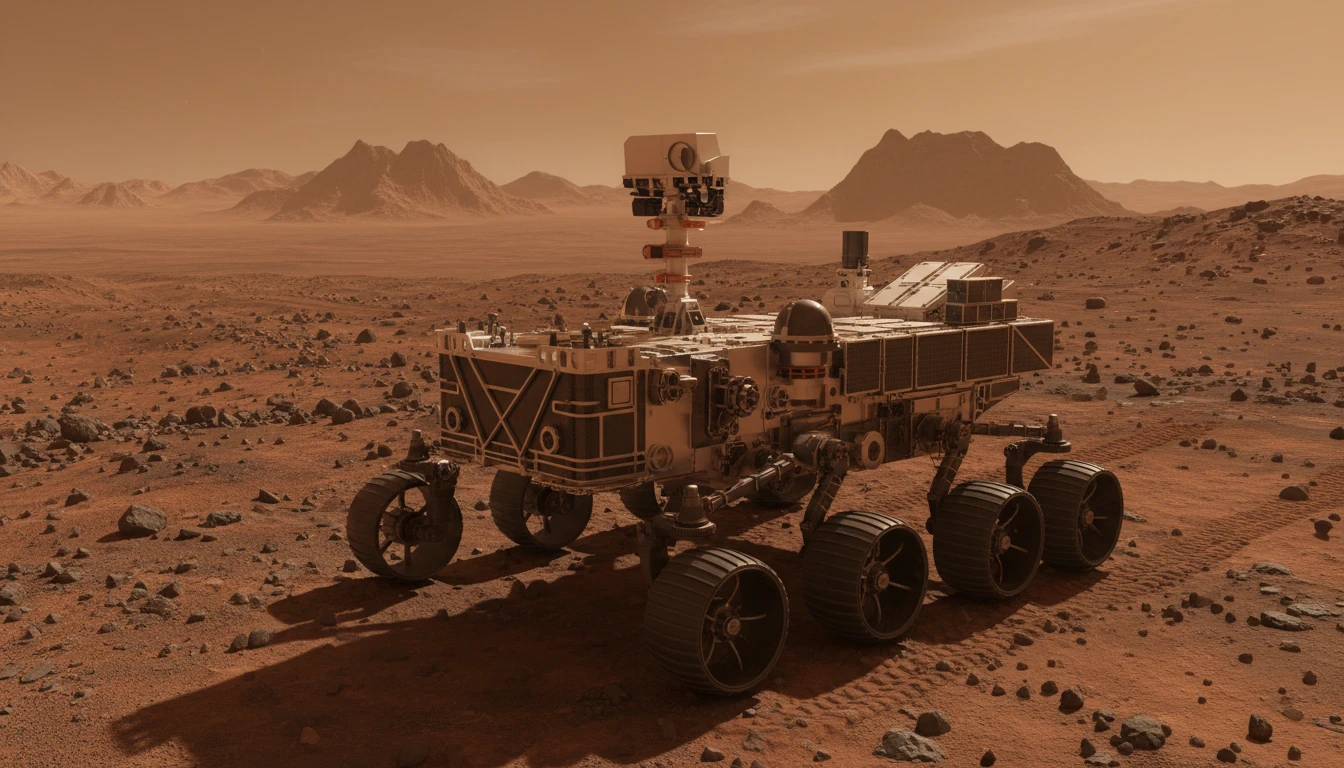
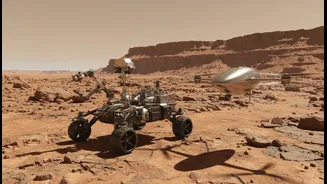
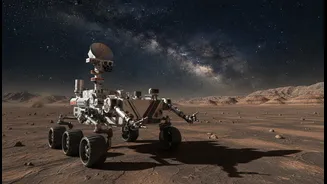
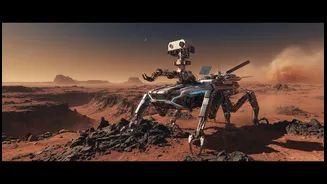
The primary goal of the STRIDE initiative is to create robotic systems that can go farther and access more difficult locations than ever before. Current rovers, like the highly successful Curiosity and Perseverance, have provided invaluable data but are limited by terrain and distance. The new technologies will focus on advanced mobility concepts, including both ground and aerial platforms, that can navigate treacherous landscapes and scientifically valuable regions that are currently out of reach. This could involve robots that can handle steeper slopes, rougher terrain, or even work together in swarms to cover more ground efficiently. By funding these innovative designs, NASA is preparing for more ambitious scientific payloads and complex operational scenarios on the Martian surface.
The Companies Driving Innovation
The seven companies selected represent a diverse mix of established aerospace players and specialized robotics firms. The list includes AeroVironment, Astrobotic, Venturi Astrolab, Ground Control Robotics, Honeybee Robotics, Intuitive Machines, and MEI Technologies. Many of these companies have already been involved in developing technologies for lunar missions, giving them valuable experience in creating hardware for extreme environments. For example, Astrobotic, Intuitive Machines, and Honeybee Robotics have been key partners in other NASA programs. This blend of expertise is expected to foster creative solutions and robust designs capable of surviving and operating in the harsh Martian environment, from its thin atmosphere to its dusty, rocky surface.
Paving the Way for Human Explorers
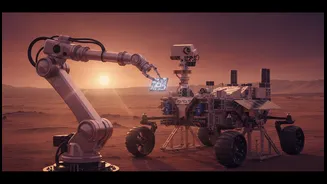
While these robots will serve critical scientific functions, their development is also a crucial step toward the ultimate goal of sending astronauts to Mars. The Artemis program, which aims to establish a sustainable human presence on the Moon, serves as a direct blueprint for future human expeditions to Mars. The lessons learned and technologies developed for lunar missions, including advanced robotics, are directly applicable. Future robotic systems will be tasked with more than just scientific observation; they may be responsible for vital infrastructure tasks like deploying power systems, building habitats, and scouting resources before humans arrive. In-situ resource utilization—using local materials to create fuel, water, or building supplies—is a key area where advanced robotics will be essential for long-term human survival on another planet. By investing in these autonomous systems now, NASA is laying the foundational groundwork for a human future on Mars.