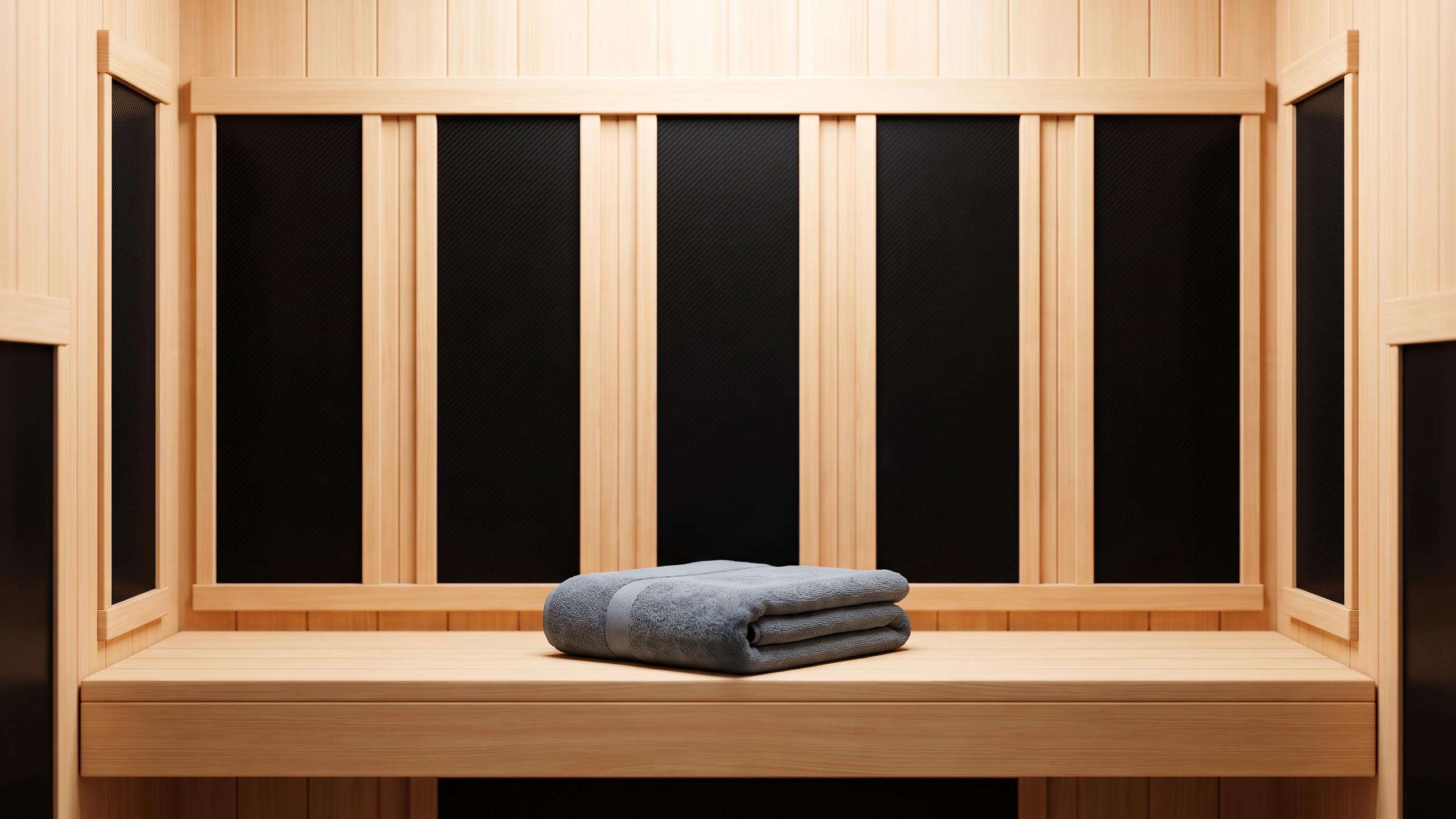








A Different Kind of Heat
Unlike a traditional sauna that heats the air around you to very high temperatures, an infrared sauna uses special lamps to emit infrared light. This light is a form of electromagnetic radiation that penetrates the body’s tissues directly, warming you from
within. The result is a much lower ambient air temperature, typically between 48°C and 60°C, which many people find more comfortable and tolerable for longer sessions than the intense heat of a conventional sauna. This fundamental difference in how heat is delivered is the key to its purported benefits for muscles.
The Science of Deep Penetration
The term “infrared” refers to where the light falls on the electromagnetic spectrum. These wavelengths are longer than visible light, allowing them to penetrate beneath the surface of the skin. This is a crucial distinction from traditional saunas, where heat is transferred to your body from the hot air. By warming the muscles directly, infrared therapy can induce a more targeted and deeper thermal effect. This process stimulates a powerful physiological response aimed at healing and relaxation, all without the overwhelming intensity of superheated air.
Boosting Circulation for Muscle Repair
When infrared heat penetrates muscle tissue, it causes blood vessels to widen in a process called vasodilation. This widening enhances circulation, allowing more oxygen-rich blood and vital nutrients to flow to tired or damaged muscles. This increased blood flow is critical for repair. It not only nourishes the muscle fibres but also helps to more efficiently flush out metabolic byproducts, like lactic acid, that accumulate during intense exercise and contribute to soreness and fatigue. By accelerating this natural process, the body can repair microscopic muscle tears more effectively.
Easing Tension and Promoting Relaxation
Deep tissue relaxation is another significant benefit. The direct warmth helps to reduce muscle tension and release knots, leading to improved flexibility and a better range of motion. This effect isn’t just physical; the gentle, enveloping heat also helps calm the nervous system. Some studies have noted that heat therapy can help reduce levels of the stress hormone cortisol while triggering the release of endorphins, the body's natural feel-good chemicals. This combination of physical muscle release and mental calm creates a profound state of relaxation that can also contribute to better sleep quality, another essential component of recovery.
What the Research Says
The body of research on infrared saunas is growing, and several studies point to tangible benefits for athletes and active individuals. For instance, a 2023 study found that post-exercise infrared sauna use helped preserve explosive muscle power and significantly reduced muscle soreness compared to passive recovery alone. Other research supports that far-infrared exposure can help maintain performance and lessen delayed-onset muscle soreness (DOMS). While most studies are relatively small, they consistently suggest that the increased blood flow and direct heat application can play a valuable role in accelerating the body's neuromuscular recovery process after a tough workout.