



The Foundation: From NISAR to Artemis
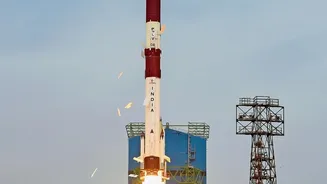
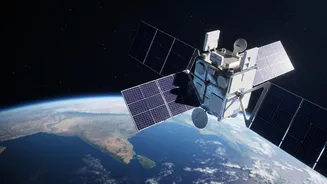
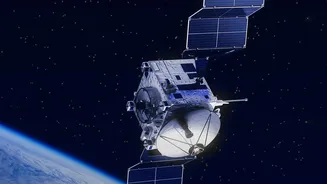
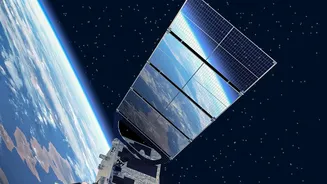
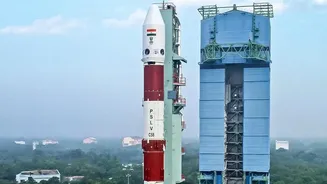
For years, the highlight of the India-US space relationship has been the NASA-ISRO Synthetic Aperture Radar (NISAR) mission. This joint Earth-observation satellite, which had a successful launch, is designed to monitor changes in our planet’s surface,
from tracking glacier melt to predicting natural hazards. It stands as a testament to what the two national space agencies can achieve together. Building on this success, the partnership has deepened significantly. India’s decision to sign the Artemis Accords in 2023 was a pivotal moment, aligning the country with a US-led international framework for peaceful and transparent lunar exploration. This diplomatic step has already opened new doors, with NASA recently inviting ISRO to participate in its ambitious plan to build a permanent base on the Moon's south pole. These foundational agreements have set the stage for more complex collaborations, moving beyond single missions toward a shared long-term vision in space.
The Commercial Frontier: Startups Take the Lead
Perhaps the most significant shift in the India-US space corridor is the rise of the private sector. While ISRO and NASA continue to lead major initiatives, the real engine of future growth lies in commercial collaboration. Frameworks like the Initiative on Critical and Emerging Technology (iCET), now evolved into the TRUST initiative, are specifically designed to foster these connections. This has created an “innovation bridge” to connect Indian startups with the US market. We are already seeing the results. Several Indian space startups have been selected for a program to work directly with the US government and major defense contractors, gaining access to funding, mentorship, and the world's largest space market. Companies like India’s Skyroot Aerospace, a private launch provider, have signed agreements with US firms like Axiom Space to advance access to low-Earth orbit. These partnerships span satellite manufacturing, launch services, and data applications, signaling a move away from government-only projects to a vibrant, multi-layered commercial ecosystem.
Strategic Imperatives: Securing the High Ground
Space is no longer just a domain for scientific exploration; it has become a critical arena for national security. Both India and the United States view space as a strategic frontier and recognize the growing need for cooperation to ensure a free and open Indo-Pacific. A key area of emerging opportunity is Space Situational Awareness (SSA)—the ability to monitor objects in orbit and track potential threats. As space becomes more congested and contested, sharing data and developing joint SSA capabilities is a top priority. Discussions during high-level meetings, like the Raisina Dialogue in March 2026, have emphasized operationalizing SSA data-sharing agreements between the two countries. This collaboration extends to defense, with initiatives like INDUS-X designed to deepen integration between the defense industrial bases of both nations, helping India strengthen its private defense sector.
The Human Element: Gaganyaan and Beyond
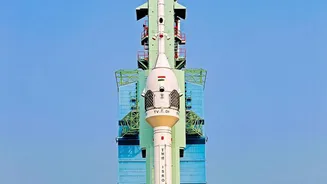
The next giant leap for the partnership involves putting humans into space together. With India's ambitious Gaganyaan mission aiming to send astronauts into orbit, collaboration with the US offers a path to accelerate its human spaceflight capabilities. A landmark agreement will see two ISRO astronauts train at NASA's Johnson Space Center for a joint mission to the International Space Station (ISS). This mission, facilitated by Axiom Space, marks a major milestone. Beyond the ISS, the long-term vision is even more ambitious. India has articulated a goal of landing an astronaut on the Moon by 2040. NASA's invitation for ISRO to join the lunar base program under Artemis is a direct pathway to achieving that goal, providing access to technology, expertise, and infrastructure for sustained human presence on another celestial body. This deepens the relationship from mere technological exchange to a true human partnership in exploring the cosmos.