




The Art of Tempering Heat
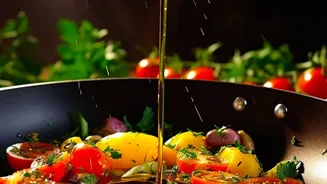
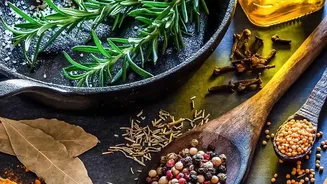
Tempering, or 'tadka', is a foundational technique in Indian cooking where whole or ground spices are briefly fried in hot oil or ghee to release their essential oils and flavours. But it's also a powerful tool for heat management. The moment you add
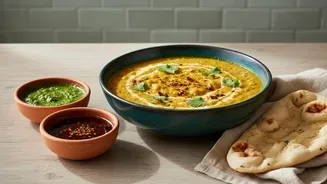
chillies to the hot oil dramatically affects the final spice level of your dish. Adding fresh or dried chillies at the beginning of the tadka and letting them cook for longer allows the capsaicin—the compound that makes chillies hot—to break down and mellow, infusing the oil with a gentler, more rounded warmth. In contrast, adding them towards the end of the tempering process, just before pouring the tadka over a dal or curry, preserves more of their sharp, fiery kick. By deciding when to introduce your chillies to the heat, you are effectively controlling the spiciness before the main cooking even begins.
Chutneys: Your Personal Spice Dial
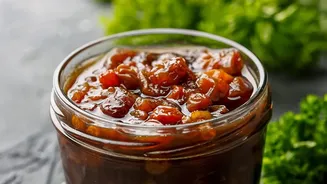
One of the most elegant solutions to the 'how spicy' dilemma doesn't happen in the pot but at the table. Serving chutneys alongside a meal empowers each person to become the master of their own plate. A seemingly mild main dish can be transformed into a fiery delight with a spoonful of a spicy garlic or green chilli chutney. Conversely, a cooling mint or sweet tamarind chutney can balance a curry that’s already packing a punch. The beauty of this approach is its versatility; you can offer a spectrum of chutneys from sweet and tangy to intensely hot. This turns the meal into an interactive experience and ensures that everyone, from the spice-averse to the chilli-head, can enjoy the same core dish at their preferred heat level. It also adds layers of flavour, texture, and complexity that elevate the entire meal.
Chilli Oil: A Modern Finishing Touch
While not as traditionally mainstream in all parts of India, chilli oil has become a global phenomenon for a reason: it's a perfect finishing condiment for customisable heat. Unlike raw chilli powder, which can have a harsh taste if not cooked, chilli oil provides a smoother, more complex heat. The infused oil carries the warmth of the chillies, often along with aromatics like garlic, Sichuan peppercorns, or star anise, adding a layer of flavour, not just a burn. Drizzling a little chilli oil over noodles, eggs, soups, or even a finished sabzi allows you to add a precise and controlled burst of spiciness right before eating. It's an excellent method for households with different spice tolerances, as the base dish can be cooked with minimal heat, and individuals can then add as much or as little fiery oil as they desire.
Beyond the Basics: More Heat Hacks
Customising heat isn't limited to just these three methods. Other ingredients act as fantastic regulators. Dairy products like yoghurt, cream, or milk are classic choices for cooling down a dish that has become too spicy, as the casein protein binds to capsaicin and neutralises the burn. Serving a side of raita is a perfect example of this principle in action. Acidity from a squeeze of lime or a splash of vinegar can also cut through and balance the intensity of the chilli. Similarly, a touch of sweetness from sugar or the addition of starchy vegetables like potatoes can help absorb and mellow out excessive heat. Understanding how these different elements—fat, acid, and sweetness—interact with spice gives you a full toolkit to adjust and perfect the flavour of your cooking at any stage.