







The Backlash Against 'Diet' Talk
For years, the wellness world has been dominated by a specific vocabulary. Words like 'clean', 'low-fat', 'guilt-free', and 'detox' have been used to label foods, and by extension, our choices. This language often assigns a moral value to what we eat,
creating a cycle of restriction and shame. If a salad is 'good', then a piece of cake must be 'bad', and eating it can lead to feelings of guilt. This black-and-white thinking is not only stressful but also often unsustainable. As a result, many people are now actively pushing back against this restrictive mindset, seeking a more positive and peaceful relationship with food.
The Shift from Restriction to Nourishment
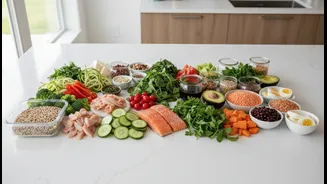
The anti-diet movement, which has been gaining momentum, encourages people to listen to their bodies' natural hunger and fullness cues instead of following rigid external rules. Psychologists note that using neutral and positive language around food—like 'nourishing', 'satisfying', or 'balanced'—can foster a healthier mindset. It reframes eating as an act of self-care, not self-control. This shift is about focusing on what you can add to your plate, like more vegetables or whole grains, rather than what you need to eliminate. This approach is less about achieving a certain weight and more about overall well-being, which includes mental and emotional health.
The Quest for Convenient Wellness in India
In India, rising health consciousness, coupled with the busy schedules of urban professionals, has created a massive demand for convenient and healthy meal solutions. People want to eat well and fuel their bodies, but often lack the time for extensive meal planning, grocery shopping, and cooking. This is where healthy meal subscription services have stepped in to fill the gap. The market for these services in India is growing rapidly, with projections indicating a significant increase over the next decade. These services cater to a wide range of consumers, from fitness enthusiasts to busy families who want nutritious meals without the hassle.
How Meal Subscriptions Are Answering the Call
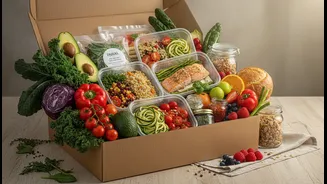
Modern meal subscription companies are adapting their messaging and offerings to meet this new consumer demand. Instead of promoting quick-fix diets, they are emphasizing balanced nutrition, ingredient quality, and convenience. Many services now provide dietitian-informed recipes and customizable plans that cater to various lifestyle needs without using restrictive language. The focus is on providing wholesome, pre-portioned meals that are both delicious and nutritious, helping users maintain consistency in their eating habits. This approach removes the decision fatigue associated with daily meal prep and helps users develop a more intuitive approach to eating.
More Than Just a Meal in a Box
The benefits of these services extend beyond simple convenience. By providing perfectly portioned ingredients, they help reduce food waste and teach valuable portion control without the need for obsessive calorie counting. They also encourage culinary exploration by introducing users to new ingredients and recipes, which can build cooking confidence and expand one's palate. For many, a meal subscription becomes a tool for building a sustainable, healthy lifestyle. It's not about being on a diet; it's about having access to regular, well-balanced meals that support long-term health goals in a positive, stress-free way.