



Remember the self-imposed rule to never be photographed in the same outfit twice? That era is officially fading. Outfit repeating, once a source of anxiety, is now being celebrated as a hallmark of true personal style and intelligence.
From Faux Pas to Fashion Flex
For years, particularly
with the rise of social media, a relentless pressure for newness has dominated fashion. The fear of being labelled an 'outfit repeater' drove a culture of one-and-done purchases, fueled by fast fashion's endless micro-seasons. Influencers and celebrities, seemingly in a new ensemble daily, created an unrealistic standard that trickled down to everyday life. However, the tide is turning. A growing movement is reclaiming repeat wear, not as a sartorial misstep, but as a confident flex. Psychologists note that the 'spotlight effect'—our tendency to overestimate how much others notice our appearance—is largely unfounded. In reality, most people are too preoccupied with their own lives to track your wardrobe. This realisation is liberating, allowing style to be about personal enjoyment rather than public performance.
The Rise of the Conscious Closet
A major driver of this shift is a collective awakening to fashion's environmental impact. The fast fashion model, built on cheap, disposable clothing, contributes significantly to pollution and waste. In India, where a deep-rooted tradition of valuing and preserving garments already exists, this modern sustainability movement finds fertile ground. Consumers, particularly millennials and Gen Z, are increasingly demanding transparency and ethical production. Choosing to re-wear an item is a powerful, personal statement against this throwaway culture. It signifies a move toward a 'slow fashion' mindset, where clothes are viewed as long-term companions rather than fleeting trends. By extending the life of a garment, you actively reduce its environmental footprint, making sustainability a core part of your style identity.
Cost-Per-Wear Is the New Metric
Beyond ethics, repeating outfits is simply smart economics. The true value of a clothing item isn't its price tag, but its 'cost per wear' (CPW). The formula is simple: divide the total cost of an item (including any alterations or maintenance) by the number of times you wear it. A high-quality, versatile blazer that costs ₹10,000 but is worn 100 times has a CPW of just ₹100. In contrast, a trendy, inexpensive top that costs ₹500 but is worn only twice has a CPW of ₹250, making it the more 'expensive' item in the long run. This calculation transforms shopping from a quest for bargains into a strategy of investment. It encourages purchasing fewer, better-quality pieces that you genuinely love and will wear repeatedly, building a wardrobe that is both financially efficient and stylistically coherent.
A Mark of Confidence and Creativity
Anyone can wear a new outfit, but it takes genuine style to re-wear a piece and make it feel fresh. Seeing clothing as a set of versatile components rather than fixed 'outfits' is the key. Mastering the art of the re-wear is a sign of sartorial confidence and creativity. It shows you have a strong sense of personal style that isn't dependent on constant newness. Some of the most iconic style figures, from Jane Birkin to Steve Jobs, built their image on a signature look, proving that consistency is powerful. Embracing repeat wear also simplifies life, reducing decision fatigue and freeing up mental energy for more important things. When you know what you love and what makes you feel good, you can confidently wear it again and again.
How to Master the Art of the Repeat
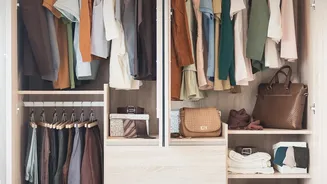
Embracing repeat wear doesn't mean looking the same every day. The trick lies in clever styling. The first step is building a 'capsule wardrobe'—a curated collection of high-quality, complementary items. Invest in timeless staples: a great pair of jeans, a classic white shirt, a tailored blazer, a versatile dress. From there, play with variables. Change the context: wear a work dress on the weekend with sneakers and a denim jacket. Alter the accessories: a different bag, belt, or piece of jewellery can completely transform a look. Experiment with layering: wear a slip dress over a t-shirt or under a sweater. By focusing on remixing rather than replacing, each core piece in your wardrobe gains endless possibilities, proving that smart planning is the ultimate style statement.