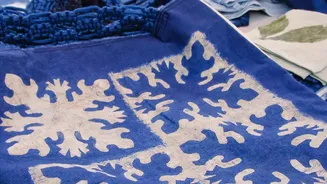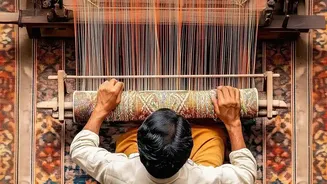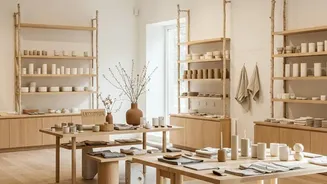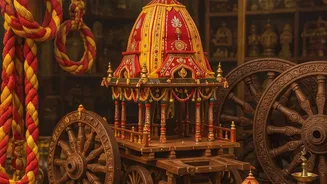




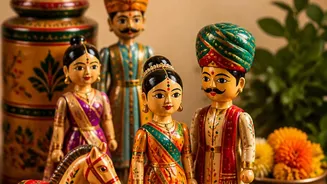
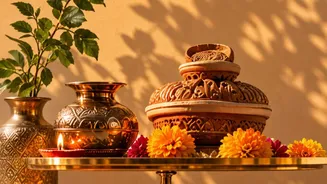
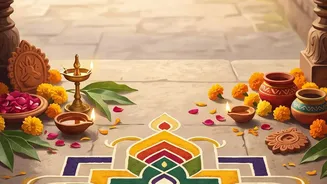
Step into a modern Indian apartment today, and you might see a hand-carved wooden panel on the wall or a vibrant hand-block printed textile draped over a minimalist sofa. A significant trend is taking root in urban homes across the country.
A Quest for Authenticity and Stories
In an age dominated
by mass-produced, identical items, there is a growing desire for products that tell a story. Urban consumers are increasingly rejecting generic, factory-made decor in favour of unique pieces with a soul. A handcrafted object is more than just an item; it is a narrative of tradition, skill, and human effort. This search for authenticity is a reaction against the uniformity of global design trends, with homeowners seeking to create spaces that are personal and thoughtfully curated. Each handcrafted piece, with its slight imperfections and variations, carries the signature of the artisan, making it a one-of-a-kind addition to a home.
The Rise of Conscious Consumerism
Today’s buyers are more conscious than ever about the environmental and ethical implications of their purchases. This has fuelled a movement towards sustainable home decor. Artisanal crafts, often made using natural, locally sourced materials like bamboo, jute, and reclaimed wood, align perfectly with these values. The processes involved are typically low-impact, relying on manual skill rather than energy-intensive machinery. By choosing handmade products, consumers are not only making an eco-friendly choice but are also participating in a 'slow design' movement that prioritises quality and longevity over disposable trends.
Championing 'Vocal for Local'
There's a renewed sense of pride in local heritage, amplified by initiatives like 'Vocal for Local'. This movement encourages consumers to support domestic industries and, by extension, the millions of artisans who are the custodians of India's traditional crafts. Investing in a piece of Dhokra art from tribal communities or a hand-embroidered textile from a family of weavers is seen as a direct way to support local economies and ensure these ancient skills are passed down to future generations. It transforms a simple purchase into a meaningful act of cultural preservation.
Redefining the Modern Indian Aesthetic
For a long time, 'Indian decor' was often associated with ornate, heavy, and purely traditional styles. That perception is changing. Today, interior designers and homeowners are masterfully blending heritage crafts with modern, minimalist, and even bohemian aesthetics. A single, striking piece—like a Bidriware vase on a sleek console or a Pattachitra painting on a plain wall—can serve as a powerful focal point without overwhelming the space. This fusion creates a design language that is globally relevant yet distinctly Indian, reflecting a contemporary identity that is proud of its roots.
The Digital Bridge to Artisans
The digital revolution has played a crucial role in this trend. Ecommerce platforms and social media sites like Instagram and Pinterest have made it easier than ever for urban buyers to discover and access crafts from remote corners of the country. These platforms act as digital galleries, allowing artisans to showcase their work, share their process through videos, and sell directly to a global audience. This removes many of the traditional intermediaries, enabling better prices for the creator and giving consumers a direct connection to the person who made their product. The rise of these digital marketplaces has been a key driver in the handicraft market's recent growth.