


Flat-Leaf vs. Curly: Know Your Parsley
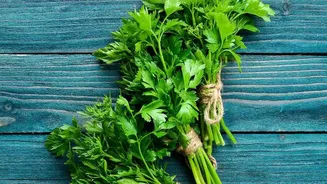
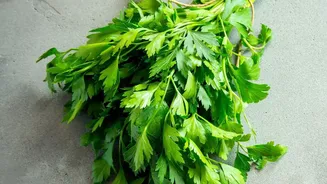
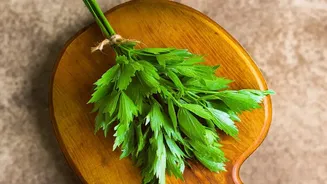
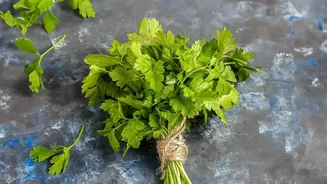
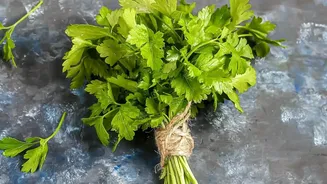
Before you start cooking, it helps to know the two main players: flat-leaf (Italian) parsley and curly parsley. Flat-leaf parsley has a more robust, peppery, and aromatic flavour, making it the preferred choice for most cooked dishes, sauces, and salads
where you want the taste to shine. Its leaves are also easier to chop. Curly parsley has a much milder, almost grassy taste and a delightfully ruffled texture. While it fell out of fashion after being typecast as a 1970s garnish, its crisp texture and vibrant colour are excellent when finely chopped into salads or used to add visual flair without overpowering other ingredients.
The Vibrant Green Sauce: Chimichurri
One of the best ways to use a large bunch of parsley is by making chimichurri. This uncooked Argentinian sauce is a zesty, garlic-infused powerhouse perfect for spooning over grilled meats, fish, or roasted vegetables. To make it, you simply process a generous amount of fresh parsley with olive oil, red wine vinegar, garlic, a pinch of dried oregano, and some red pepper flakes for a little heat. The key is to pulse the ingredients in a food processor, not blend them into a smooth paste; you want a rustic, textured sauce where you can still see the individual components. It comes together in minutes and can be stored in the fridge for a week or more.
The Ultimate Herb Salad: Tabbouleh
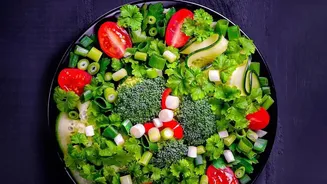
In a traditional Lebanese tabbouleh, parsley isn't just an ingredient; it's the main event. This isn't a grain salad with a bit of green, but rather an herb salad featuring finely chopped parsley and mint, with just a small amount of bulgur wheat for texture. The key is to chop the parsley very finely by hand to avoid it becoming mushy. Combined with diced tomatoes, cucumber, scallions, and a zesty dressing of lemon juice and olive oil, tabbouleh is incredibly refreshing. It's a perfect side dish for grilled meats or a light and healthy main course on its own.
The Italian Flavour Finisher: Gremolata
Gremolata is an Italian condiment that proves simple is often best. Made from just three ingredients—finely chopped fresh parsley, minced garlic, and lemon zest—it's a bright, fresh topping that can liven up almost any dish. Traditionally served with the rich, braised veal dish osso buco, its purpose is to add a clean, zesty counterpoint to savoury flavours. Sprinkle it over roasted chicken, grilled fish, soups, stews, or even roasted potatoes just before serving to add a burst of freshness and aroma. Some modern variations include additions like fresh mint or a pinch of red pepper, but the classic trio remains a kitchen staple.
Storing Parsley to Keep it Fresh
To get the most out of your parsley, proper storage is key. The best method is to treat it like a bouquet of flowers. Trim the ends of the stems, place the bunch in a jar with an inch of water, and store it in the refrigerator. You can loosely cover the leaves with a plastic bag. This method can keep parsley fresh for up to a month. For long-term storage, parsley freezes exceptionally well. You can chop it, place it in ice cube trays with a little water or olive oil, and freeze. These frozen cubes can be tossed directly into soups, stews, and sauces for a hit of fresh flavour anytime.