



The Power of Bodyweight Training
Bodyweight training, also known as calisthenics, is a form of resistance training that uses your own weight to build strength and endurance. It's the ultimate small-space solution because it requires no equipment and minimal room to perform. The key to getting
'high results' lies in consistency and progressive challenge. By focusing on compound movements—exercises that engage multiple muscle groups at once—you can achieve a full-body workout that burns calories, improves coordination, and builds functional strength that you use in everyday life. Research has shown that bodyweight exercises can produce comparable improvements in muscle strength and body composition to traditional weight training. The secret isn't fancy machines; it's proper form and consistent effort.
The Foundational Four Exercises
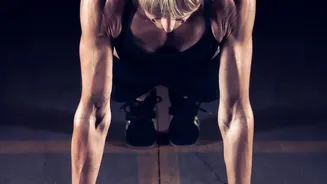
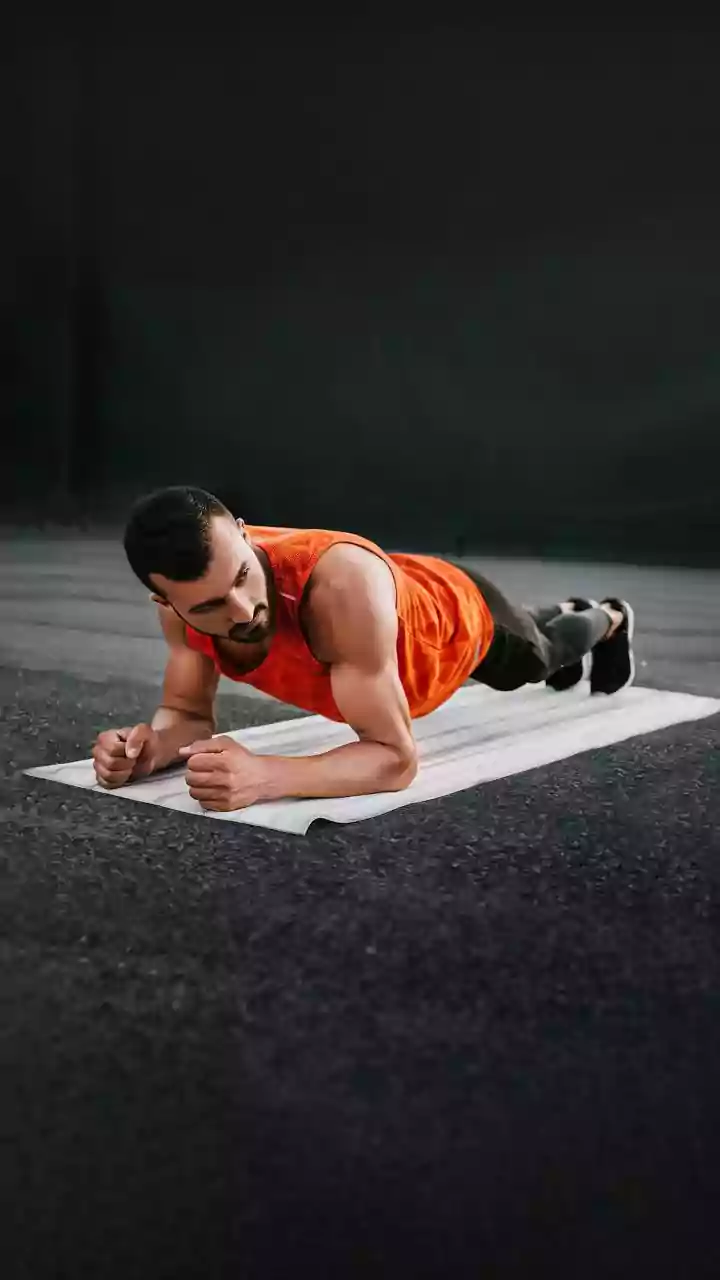
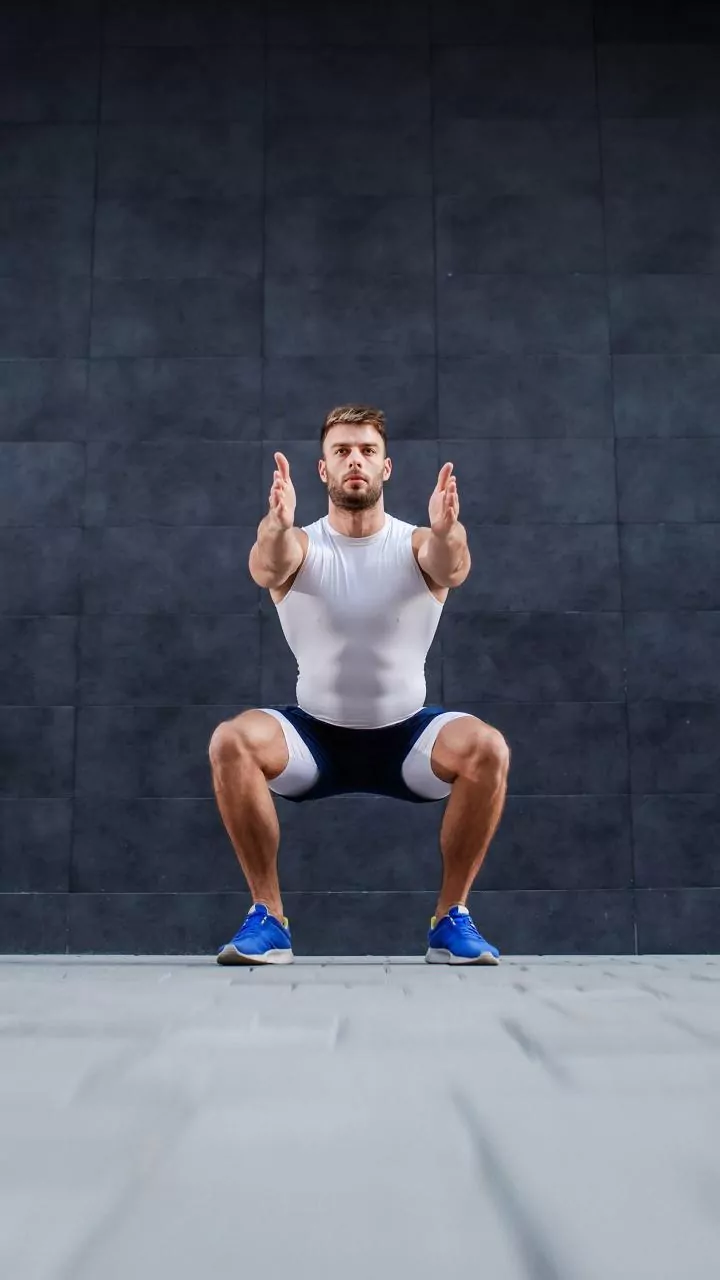
Nearly every effective bodyweight routine is built around a few core movements. Master these, and you have the foundation for a complete fitness program.1. Squats: This is the king of lower-body exercises, targeting your quads, hamstrings, and glutes. To perform one, stand with feet shoulder-width apart, keep your chest up, and lower your hips as if sitting in a chair until your thighs are parallel to the floor. Drive through your heels to return to the start. 2. Push-Ups: The gold standard for the upper body, push-ups work your chest, shoulders, triceps, and core. If a standard push-up is too difficult, start with your hands on a wall or an elevated surface, or perform them on your knees. 3. Lunges: Perfect for training each leg independently, which helps improve balance and correct strength imbalances. A reverse lunge, where you step backward, is often the safest starting point for beginners.4. Planks: This is a core stability champion. A strong core protects your lower back and improves posture. Hold a straight line from your head to your heels, engaging your abs and glutes.
Ignite Your Metabolism with HIIT
High-Intensity Interval Training (HIIT) is perfect for small spaces because it delivers maximum results in minimal time. The method involves short bursts of all-out effort followed by brief recovery periods. This keeps your heart rate up, maximizing calorie burn and boosting cardiovascular fitness. You don't need to jump around to do it, making it apartment-friendly. Try this simple, quiet HIIT circuit: Perform each exercise for 40 seconds, followed by 20 seconds of rest: - Bodyweight Squats- Plank Shoulder Taps (hold a plank and tap each shoulder with the opposite hand)- Alternating Reverse Lunges- Glute Bridges (lie on your back, knees bent, and lift your hips)- Mountain Climbers (in a plank position, bring your knees toward your chest)Repeat the entire circuit 3-4 times for a powerful 15-20 minute workout.
Putting It All Together: A Sample Weekly Plan
Consistency is more important than intensity when you're starting. Aim for 3-4 workout sessions per week, allowing your body to recover on rest days. A balanced routine ensures you work all major muscle groups. - Monday: Full-Body Strength. Perform 3 sets of 10-15 reps of squats, push-ups, lunges (per leg), and glute bridges. Finish with 3 plank holds for 30-60 seconds each. - Tuesday: Active Recovery. Go for a walk, do some light stretching, or try a beginner yoga routine. - Wednesday: HIIT Day. Complete the HIIT circuit described above. Focus on giving maximum effort during the 'work' intervals. - Thursday: Active Recovery. - Friday: Full-Body Strength. Repeat Monday's workout, but try to increase the challenge. You can do this by adding reps, performing the movements more slowly to increase time under tension, or trying a more advanced variation. For example, try pausing for three seconds at the bottom of your squat.- Saturday & Sunday: Rest. Recovery is when your muscles repair and get stronger. Listen to your body and give it the rest it needs.