


Why the Monsoon Is a Healing Season
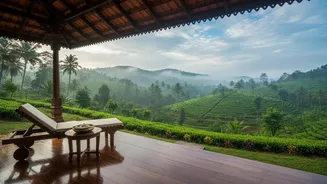
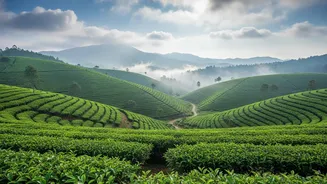
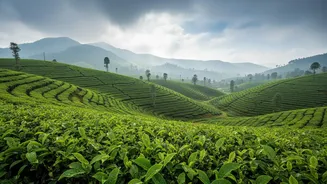
For centuries, Ayurvedic physicians have regarded the monsoon season, or 'Varsha Ritu', as the optimal time for healing and rejuvenation. In Kerala, this period, known as Karkidakam (mid-July to mid-August), is when the atmosphere is cool, humid, and dust-free.
According to Ayurvedic principles, these conditions cause the pores of the skin to open, making the body more receptive to medicated oils and therapies. The moist climate helps soften tissues, allowing treatments to penetrate deeper and work more effectively to detoxify the body and restore balance. This isn't just a scenic backdrop; the season itself becomes an active component of the treatment plan.
More Than a Spa: The Ayurvedic Approach
An authentic Ayurvedic retreat is fundamentally different from a typical wellness holiday. While relaxation is a goal, the core purpose is 'Chikitsa' or treatment. A stay begins not with a spa menu, but with a detailed consultation with a certified Ayurvedic doctor who diagnoses your specific imbalances according to your 'Prakriti' (constitution). This results in a highly personalised regimen that goes beyond massages. It’s a holistic system designed to address the root cause of ailments, not just the symptoms. Programs often combine detoxification therapies, a prescribed diet, herbal medicines, yoga, and meditation to heal the body and mind.
Targeted Treatments for Modern-Day Burnout
For young adults grappling with chronic stress, anxiety, and physical exhaustion, these retreats offer targeted solutions. Burnout, seen in Ayurveda as a depletion of vital energy (Ojas), is addressed with specific therapies. Treatments like Shirodhara, where a continuous stream of warm medicated oil is poured on the forehead, are profoundly effective for calming the nervous system, reducing mental fatigue, and improving sleep. Abhyanga, a synchronised full-body massage, enhances circulation and relieves muscle tension from long hours at a desk. For severe toxic build-up from stress and poor lifestyle habits, a supervised Panchakarma detox may be recommended to deeply cleanse the body.
The Holistic Lifestyle Component
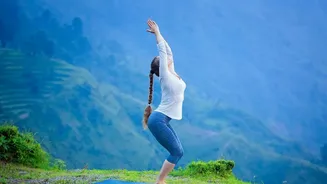
True Ayurvedic healing is a 360-degree approach. The physical treatments are supported by a complete lifestyle overhaul during your stay. A crucial element is the diet, or 'Pathya'. You'll be served warm, easily digestible, and often sattvic (pure) foods designed to rekindle your digestive fire ('Agni') and nourish your tissues. A popular feature during Karkidakam is Karkidaka Kanji, a medicinal rice gruel packed with herbs that boosts immunity and aids digestion. This is often combined with a digital detox, gentle yoga sessions, and mindfulness practices, creating a tranquil environment that allows the nervous system to reset and heal without modern distractions.
Choosing the Right Retreat for You
When selecting a retreat, it's essential to look beyond glossy photos. Prioritise centres with NABH-accreditation or a strong reputation and ensure they have qualified, experienced Ayurvedic doctors on staff. The duration of your stay can vary, from a short 3-5 day relaxation program to intensive 21-day or 28-day Panchakarma treatments. Be honest with the physician about your health goals and existing conditions. An authentic experience is not about indulgence but about a disciplined commitment to a prescribed regimen. The goal is to return not just rested, but equipped with a deeper understanding of your body and the tools to maintain balance long after the monsoon has passed.