





Understanding the Path of Totality
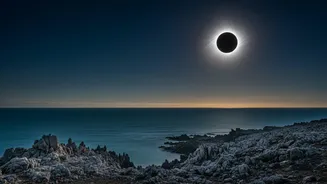
A total solar eclipse occurs when the Moon passes directly between the Sun and Earth, completely blocking the face of the Sun. This casts a shadow on Earth, and the area where the Sun is fully obscured is known as the path of totality. For the August
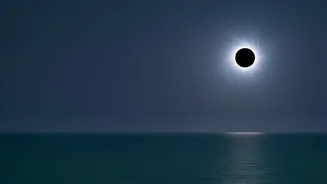
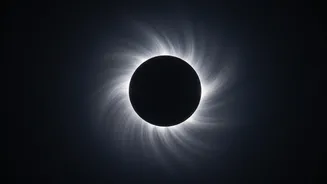
2026 event, this path is relatively narrow and will begin over a remote part of Siberia, sweep across the Arctic, pass over Greenland and western Iceland, and end over northern Spain and a sliver of Portugal just before sunset. For those within this corridor, day will briefly turn into an eerie twilight, revealing the Sun's magnificent outer atmosphere, the corona.
Where to Witness the Spectacle
The primary landmasses for viewing the 2026 total eclipse are Greenland, Iceland, and Spain. In Greenland, the path crosses the vast and remote Northeast Greenland National Park, a destination for dedicated eclipse chasers on expedition cruises. Western Iceland, including the capital Reykjavík, will also experience totality, with the maximum duration of about 2 minutes and 18 seconds occurring just off the country's west coast. The final, and perhaps most accessible, viewing locations will be in northern Spain, in cities like Valencia, Zaragoza, and Palma. Here, the eclipse will occur dramatically low on the horizon, close to sunset, creating a potentially stunning photographic opportunity.
A Unique Celestial Alignment
This event is notable for being the first total solar eclipse visible in mainland Europe since 1999. The timing is also special, as the eclipse will happen during the peak of the Perseid meteor shower, offering the potential for an incredible double feature for skywatchers. Furthermore, the eclipse path's journey across the globe is unusual. It starts near the North Pole and travels southward, creating a dramatic sunset eclipse for observers in Spain and the Balearic Islands. While totality will last just under two and a half minutes at its peak, the experience of witnessing the sun's corona is an unforgettable one.
How to Watch Safely
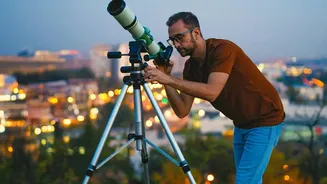
Looking directly at the Sun, even when it is partially covered, is extremely dangerous and can cause permanent eye damage. Except for the brief moments of 100% totality, it is essential to use certified solar viewing glasses or a handheld solar viewer. Regular sunglasses, no matter how dark, are not safe for viewing the eclipse. If using a camera, telescope, or binoculars, they must be fitted with a proper solar filter attached to the front of the lens. Never look through an unfiltered optical device. For those planning to travel, be aware that locations within the path of totality are expecting large crowds, so booking travel and accommodation well in advance is highly recommended.
How to Watch from India
Unfortunately, the total solar eclipse of August 12, 2026, will not be visible from India, as the event will take place late at night according to Indian Standard Time (IST). The partial phase begins around 9:04 PM IST on August 12, with the event concluding in the early hours of August 13. However, astronomy enthusiasts in India will not miss out entirely. NASA and other space agencies and observatories are expected to provide live webcasts of the eclipse. This allows everyone to experience the awe of totality safely from anywhere in the world, watching online as the Moon's shadow races across Europe.