



Why Autumn is a Magical Time
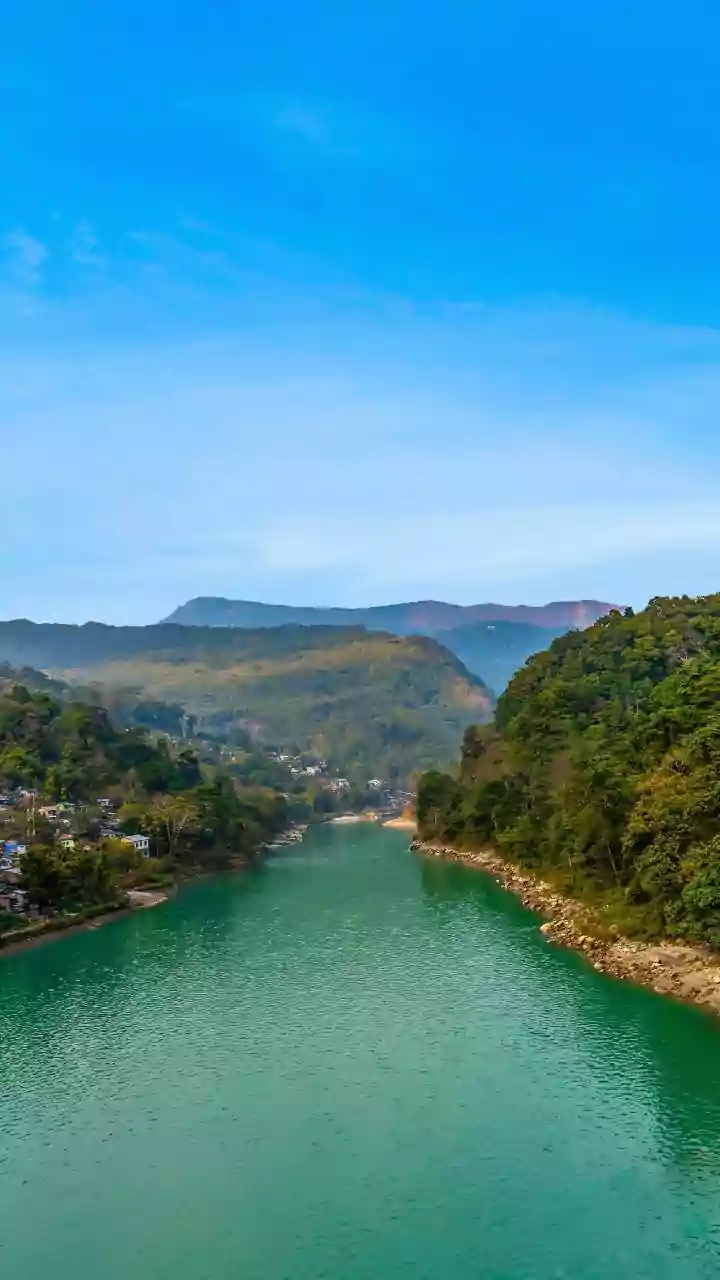
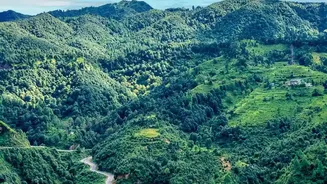
Visiting Meghalaya between October and November offers a unique travel sweet spot. The heavy monsoons have passed, leaving the landscape intensely green and the waterfalls still flowing with impressive volume. However, the relentless downpours have ceased,
giving way to pleasant temperatures, crisp air, and clearer skies. This season is ideal for trekking and photography, as the rivers run clear again and the trails are less treacherous than during the peak rainy months. It’s a time of tranquility, where you can experience the state's vibrant natural beauty with fewer tourists.
The Living Root Bridges: Nature's Marvels
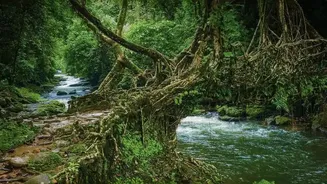
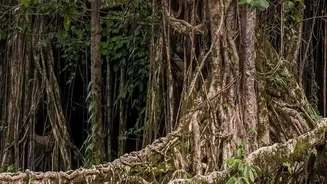
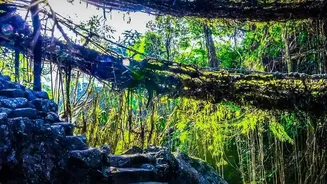
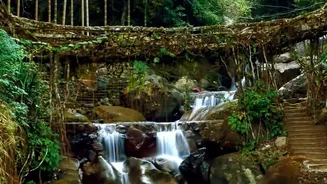
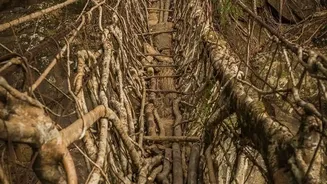
Meghalaya's most iconic attractions are the ‘jingkieng jri,’ or living root bridges. For centuries, the indigenous Khasi and Jaintia peoples have guided the aerial roots of the Ficus elastica (rubber fig) tree across rivers, weaving them into functional, living structures that grow stronger over time. The most famous of these is the Umshiang Double-Decker Bridge in Nongriat village, a two-tiered marvel of bio-engineering that is a must-see. For a more 'offbeat' and less crowded experience, consider seeking out smaller, single-span bridges like the one in Padu, which offers a sense of tranquility away from the main tourist trail.
Trekking to the Bridges: What to Expect
Reaching the famous Double-Decker bridge is an adventure in itself. The journey starts with a drive from Sohra (Cherrapunji) to Tyrna village. From there, it's a steep trek down approximately 3,500 stone steps to Nongriat village. The trek, while demanding, takes you through lush forests, across narrow suspension bridges, and past breathtaking scenery. An average person can complete the round trip in about five to six hours. It's crucial to wear sturdy walking shoes with good grip, carry water, and start early in the day, especially since the sun sets early in the Northeast. While guides are not mandatory for this popular route, hiring a local can enrich the experience.
Sohra's Majestic Waterfall Circuit
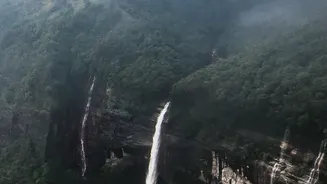
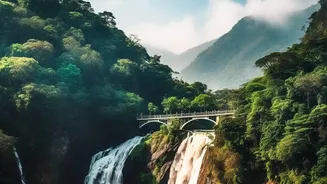
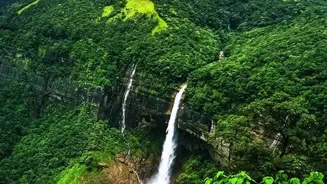
Sohra, also known as Cherrapunji, is famed for its dramatic waterfalls, which are still magnificent in autumn. Nohkalikai Falls, India's tallest plunge waterfall, cascades from a height of 1,115 feet into a turquoise pool below. Another essential stop is the Nohsngithiang Falls, or Seven Sisters Falls, a stunning seven-segmented waterfall that is best viewed in the soft light of morning or late afternoon. For something different, visit Dainthlen Falls, where the river flows over wide, rocky beds marked with legendary potholes before dropping into a gorge. The post-monsoon season ensures these falls are still powerful but often framed by clear, blue skies.
Practical Guide: Getting There and Staying
The main entry point to Meghalaya is Shillong. The nearest major airport is in Guwahati, Assam (approximately 2.5 hours by car from Shillong). From Shillong, Sohra is about a two-hour drive away. Taxis are the most common mode of transport for tourists. For an authentic experience, consider staying in one of the many homestays available in Sohra or even in Nongriat village. These homestays offer a glimpse into Khasi culture and cuisine at budget-friendly prices, often ranging from ₹1200 to ₹2000 per night. Booking accommodation in advance is recommended, as October marks the beginning of the tourist season.
What to Pack for an Autumn Trip
Packing for Meghalaya in autumn requires preparing for a mix of conditions. Days are pleasant, but evenings and mornings can be crisp and cool, so light sweaters or a jacket are essential. While the heaviest rains are over, occasional light showers can still occur, making a waterproof jacket or an umbrella a wise addition. The treks to the root bridges and waterfalls involve uneven terrain and thousands of steps, so comfortable trekking shoes with excellent grip are non-negotiable. Also pack sunscreen, a hat, and a reusable water bottle to stay hydrated during your hikes. Given the potential for misty conditions, fast-drying clothes are also a practical choice.