


A New Generation Boards the Slow Train
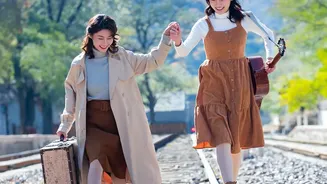
Forget luxury expresses or quick-hop flights. For a growing number of Gen Z travellers in India, the journey itself has become the destination. They are trading speed for scenery, embracing the gentle pace of the country’s fabled heritage railways. These
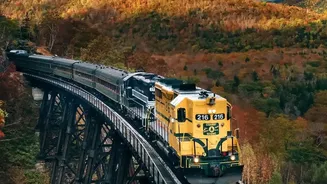
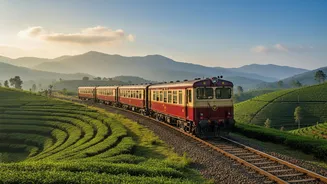
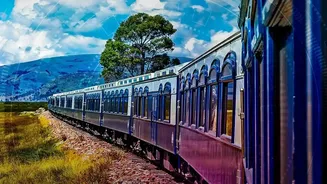
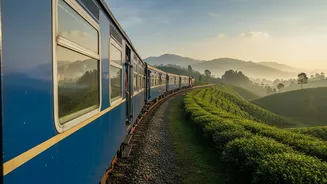
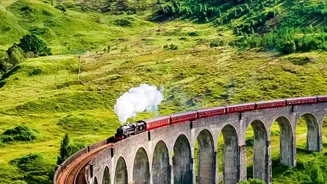
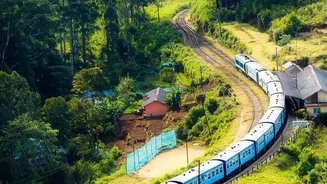
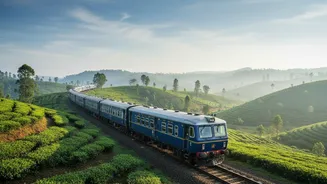
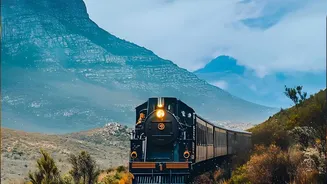
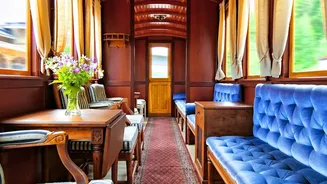
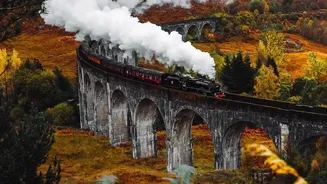
are not just any train routes; they are rolling museums, engineering marvels from a bygone era that are finding a fresh, young audience. Lines like the Kalka-Shimla Railway, the Darjeeling Himalayan Railway, and the Nilgiri Mountain Railway—all part of the UNESCO World Heritage-listed Mountain Railways of India—are at the heart of this trend. Originally built during the British Raj, these narrow-gauge “toy trains” snake through stunning landscapes, from misty Himalayan foothills to dense tea plantations. For decades, they have charmed families and railway enthusiasts, but now, they are the backdrop for countless Instagram Reels and TikToks, shared by travellers more accustomed to memes than mountain passes.
The Irresistible Pull of Affordability
A major driver of this trend is simple economics. For a generation navigating a competitive job market and rising living costs, these heritage journeys offer an almost unbeatable value proposition. While a taxi from Kalka to Shimla can be a pricey affair for a solo traveller, the regular service on the historic toy train can cost as little as ₹50 for the entire scenic journey. Similarly, a ride on the Nilgiri Mountain Railway from Mettupalayam towards Ooty comes with a modest price tag, with some fares around ₹310. This affordability makes these iconic experiences accessible, allowing young people to enjoy a rich travel adventure without the financial strain of flights or private cars. It democratises travel, proving that a memorable trip doesn't require a lavish budget, just a willingness to embrace a slower, more deliberate pace of exploration.
Curated for the 'Gram: Analogue Aesthetics Go Viral
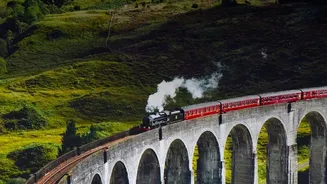
In the visual economy of social media, heritage trains are pure gold. The vintage coaches, the rhythmic chug of the engine, and the panoramic views from the window offer a ready-made cinematic experience. Young travellers are capturing the “main character energy” of gazing out at rolling hills, misty valleys, and bustling trackside villages. Foreign travel influencers have also highlighted the unique, people-watching appeal of Indian train travel, further boosting its profile. The content is compelling and easily shareable: a time-lapse of a train navigating a dramatic loop, a dreamy shot of steam billowing past a pine forest, or a simple video of chai being served against a backdrop of mountains. This isn't just about documenting a holiday; it's about crafting a narrative of authentic, aesthetically pleasing adventure that resonates deeply with their online communities.
More Than a Trend: A Shift in Travel Values
Beyond the low cost and visual appeal, the popularity of heritage rail speaks to a deeper shift in what Gen Z seeks from travel. There is a growing appreciation for “slow travel”—a more mindful and immersive approach that values connection over a packed itinerary. These journeys offer an antidote to the blur of modern life. A five-to-seven-hour ride on the Kalka-Shimla or Darjeeling line isn't a bug; it's a feature. It’s a forced disconnection from digital overload and a chance to connect with the landscape and fellow travellers. This movement also aligns with a rising interest in sustainability. Choosing a train over a car or plane is an environmentally conscious decision that appeals to a generation deeply concerned about their ecological footprint. It represents a move away from cookie-cutter tourism towards experiences that feel more authentic, meaningful, and rooted in history.