






The Classic Chai and Pakora Ritual
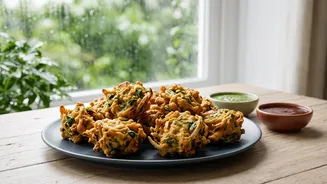
There is no image more synonymous with the Indian monsoon than a steaming cup of masala chai paired with a plate of crispy, hot pakoras. This is less a snack and more a cherished ritual. As the rain begins to fall, kitchens and street-side stalls across
the country fire up their woks. The pakoras—vegetables like onions, potatoes, or spinach dipped in a spiced gram flour batter and deep-fried to golden perfection—offer a crunchy, savoury contrast to the sweet, milky, and fragrant ginger-infused tea. This experience is about the simple comfort of watching the downpour from a dry spot, the warmth of the tea cup in your hands, and the irresistible crunch of a freshly fried fritter. It’s a multi-sensory experience that defines comfort for millions.
Roadside Bhutta (Roasted Corn on the Cob)
The smoky aroma of bhutta, or corn on the cob, being roasted over hot coals is a tell-tale sign of monsoon’s arrival. Found at countless roadside stalls, especially at viewpoints and scenic spots, this humble snack is an essential part of any rainy-day outing. The vendor fans the flames, turning the corn until it’s lightly charred and tender. It’s then rubbed generously with a mixture of lemon juice, salt, and red chilli powder, creating a perfect medley of spicy, tangy, and smoky flavours. Enjoying a hot bhutta while feeling the cool monsoon breeze is a simple, nostalgic pleasure that connects you directly to the season.
Hot and Syrupy Jalebis
While savoury snacks dominate the monsoon cravings, there's a special place for hot, sweet indulgences. Jalebis, the bright orange swirls of fermented batter fried to a crisp and then soaked in sugar syrup, are particularly satisfying on a cool, wet day. The experience is about finding a local sweet shop where they are being made fresh. Watching the batter being expertly piped into the hot oil and then dunked into the syrup is part of the charm. Eaten warm, they offer a delightful combination of a crispy exterior giving way to a soft, syrup-filled centre. It’s a rush of sweetness that feels like a decadent treat against the gloomy weather.
A Comforting Bowl of Khichdi
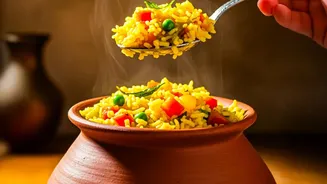
When the rain is relentless and you’d rather stay indoors, khichdi emerges as India's ultimate monsoon comfort food. This simple, one-pot dish of rice and lentils, cooked until soft and wholesome, is the culinary equivalent of a warm hug. It’s light on the stomach, which is traditionally considered ideal for the humid monsoon months when digestion can be sluggish. Variations abound, from the simple moong dal khichdi topped with a spoonful of ghee to more elaborate versions with vegetables and spices. Served with a side of yoghurt, pickles, and papad, a warm bowl of khichdi is the perfect nourishing meal for a lazy, rainy afternoon at home.
Spicy Samosas and Tangy Chutney
Alongside pakoras, the samosa is another deep-fried hero of the Indian snack world, and its appeal skyrockets during the monsoon. This triangular pastry, filled with a spicy mixture of potatoes and peas, is a hearty and flavourful bite that pairs exceptionally well with the weather. The key is the contrast: the flaky, crispy crust gives way to a soft, steaming-hot interior. The experience is incomplete without the accompanying chutneys—typically a tangy tamarind one and a fresh, spicy mint-coriander one. A hot samosa, broken open to let the steam escape before being dipped in chutney, is a moment of pure bliss.
Steaming Momos in the Hills
If your monsoon travels take you to the hill stations of India, from Darjeeling to McLeod Ganj, the culinary experience shifts to momos. These steamed dumplings, filled with either vegetables or meat, are the perfect food for the misty, cool climate. Served piping hot from a steamer, often with a fiery red chilli chutney and a warm, clear soup, momos provide instant warmth. The act of eating them while wrapped in a shawl, watching clouds drift by, is an experience that feels perfectly integrated with the mountain monsoon environment. The light, steamed dough and flavourful filling are comforting without being overly heavy, making them an ideal meal for the hills.
A Goan or Keralan Seafood Curry
While many parts of India focus on fried snacks, the coastal regions celebrate the monsoon with unique seafood preparations. In Goa and Kerala, the rain transforms the culinary landscape. Though fishing is restricted, local cuisine makes use of preserved fish or specific seasonal catches. A warm, spicy fish curry, like a Goan fish curry rice or a Keralan ‘meen’ curry, made with coconut milk and tangy kokum, feels incredibly nourishing in the damp weather. These meals often feature local, seasonal vegetables and are eaten with steamed rice, offering a complete and deeply satisfying experience that captures the essence of a coastal monsoon.