


Mathura Ke Pede
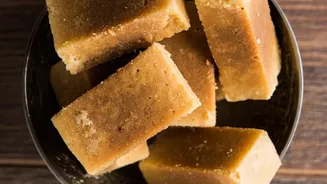
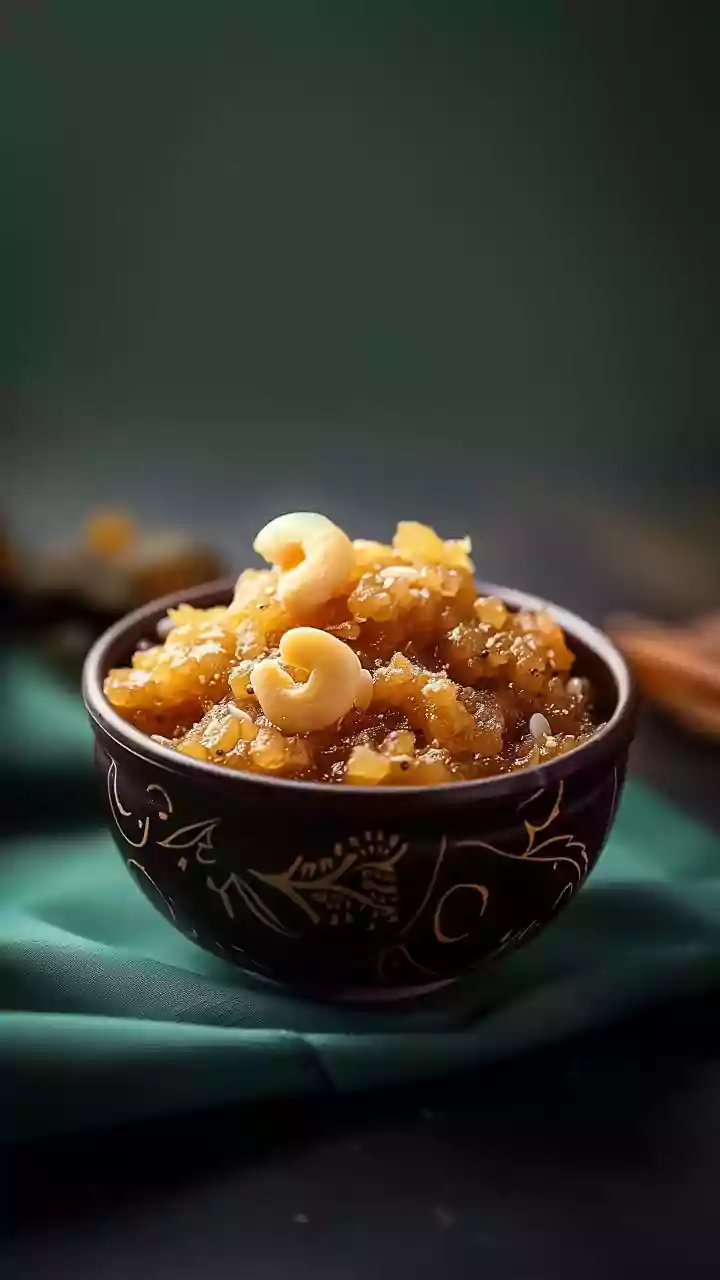
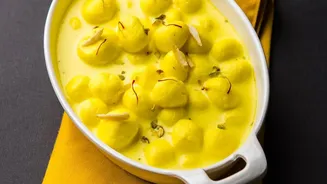
No Janmashtami celebration is complete without the classic Mathura Peda. This iconic sweet, originating from Lord Krishna's birthplace, holds special significance during the festival. It is traditionally made by simmering milk for hours until it thickens
into khoya, which is then browned and sweetened to create a rich, caramelised, and slightly grainy fudge. Its melt-in-the-mouth texture and deep milky flavour are the result of patient cooking, embodying a spirit of devotion. Preparing these at home fills the kitchen with a festive aroma and offers a truly authentic taste of tradition to your pooja offerings.
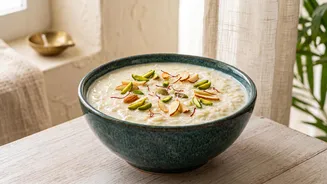
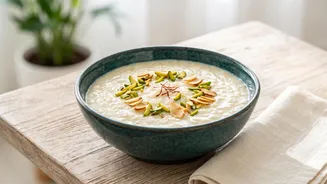
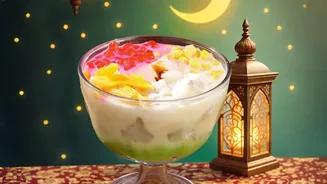
Makhana Kheer
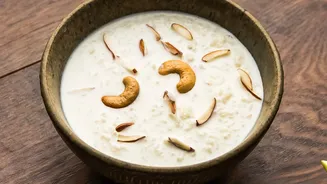
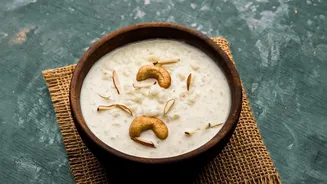
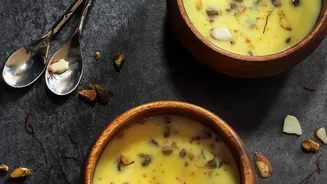
A perfect dessert for those observing a fast, Makhana Kheer is both delicious and fitting for the occasion. Made from phool makhana (fox nuts), this creamy pudding is a lighter alternative to traditional rice-based kheer but is just as luxurious. The fox nuts are typically roasted in ghee until crunchy, then simmered in milk until they soften, absorbing all the rich flavours. Infused with cardamom and saffron and garnished with nuts, this kheer offers a wonderful texture and is a wholesome, comforting dish to break the fast with at midnight.
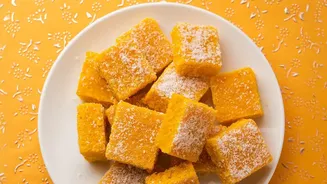
Kalakand
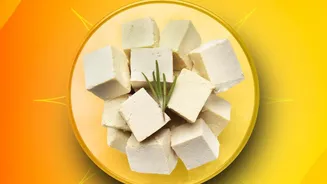
For those who love the pure, unadulterated taste of cooked milk, Kalakand is an absolute delight. This popular Indian milk cake has a signature moist, soft, and granular texture that sets it apart from denser sweets like barfi. While traditional methods require long hours of reducing milk, modern recipes often use paneer and condensed milk for a quicker preparation without compromising on the authentic flavour. Flavoured simply with cardamom, every bite of this delicate sweet dissolves in the mouth, making it a sophisticated and heavenly addition to the Janmashtami platter.
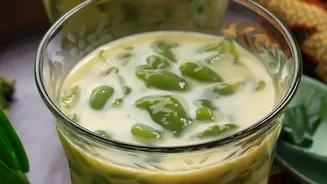
Rabri
Rabri is the epitome of indulgence. This decadent sweet is made by patiently simmering full-fat milk in a wide, heavy-bottomed pan for a very long time until it reduces and thickens, forming layers of cream or 'malai'. These layers are collected and added back to the thickening milk, which is then sweetened and flavoured with saffron, cardamom, and rose water. The result is a luscious, thick, and scoopable dessert with a complex texture. Its richness symbolises the abundance and sweetness of devotion, making it a treasured offering for Lord Krishna on his birthday.
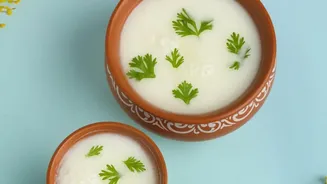
Gopalkala
A unique and highly traditional offering from Maharashtra, Gopalkala is a savoury-sweet preparation that directly connects to Krishna's childhood. Legend says that as a cowherd, Krishna would mix his lunch with that of his friends, creating a dish for everyone to share. Gopalkala represents this communal meal. It is a mixture of flattened rice (poha), yoghurt, cucumber, fresh coconut, and simple spices, often with fruits like pomegranate. This no-cook recipe is not only easy to assemble but is also the same delicacy that is traditionally filled in the Dahi Handi, making it a deeply significant and authentic prasad for the festival.