




Cumin, or jeera, is a fixture in every Indian kitchen, but lately, it has found fame as a wellness drink. From promises of rapid weight loss to digestive bliss, the claims are many. But what can this simple spice-infused water realistically offer?
The Foundation: A Digestive Aid
The
most well-regarded benefit of cumin water lies in its support for digestion. For centuries, traditional medicine has used it to soothe the stomach. Modern science suggests this is because compounds in cumin may stimulate the secretion of digestive enzymes, helping your body break down food more efficiently. This can lead to reduced feelings of bloating, gas, and general indigestion, making it a comforting drink after a heavy meal. It contains a compound called thymol, which stimulates the pancreas to produce enzymes and bile, further improving the digestion of fats and carbohydrates.
The Big Question: Weight Loss
Many drink jeera water hoping it will melt away fat, but the reality is more nuanced. Cumin water is not a magic potion for weight loss. However, it can support a weight management journey. Since the drink is virtually calorie-free when made without sugar, it's an excellent replacement for sugary sodas or juices, helping to reduce your overall calorie intake. Some small studies on cumin supplements (not homemade water) have shown modest reductions in body weight and BMI, but more research is needed. The benefits are likely indirect: improved digestion, better hydration, and a slight metabolic boost all contribute to a healthier lifestyle that supports weight management, but the drink itself won't overcome a poor diet or lack of exercise.
A Source of Antioxidants
Cumin seeds are a rich source of plant-based antioxidants like flavonoids, apigenin, and luteolin. These compounds help neutralize harmful free radicals in the body, which are unstable molecules that can cause cellular damage and contribute to chronic diseases and aging. While a glass of cumin water won't be as concentrated as a supplement, regularly consuming this antioxidant-rich beverage contributes to your overall intake, supporting your body's natural defense systems.
Beyond the Hype: Hydration and Nutrients
At its core, cumin water is just that—water. Staying properly hydrated is crucial for nearly every bodily function, from maintaining energy levels to ensuring healthy skin and flushing out toxins. For those who find plain water boring, the warm, earthy flavour of jeera water can be an appealing alternative that encourages them to drink more fluids throughout the day. Furthermore, cumin seeds themselves contain essential minerals like iron, manganese, and magnesium, making the infused water a source of trace nutrients that are beneficial for overall health.
How to Make Cumin Water
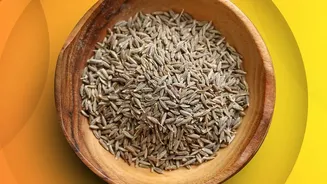
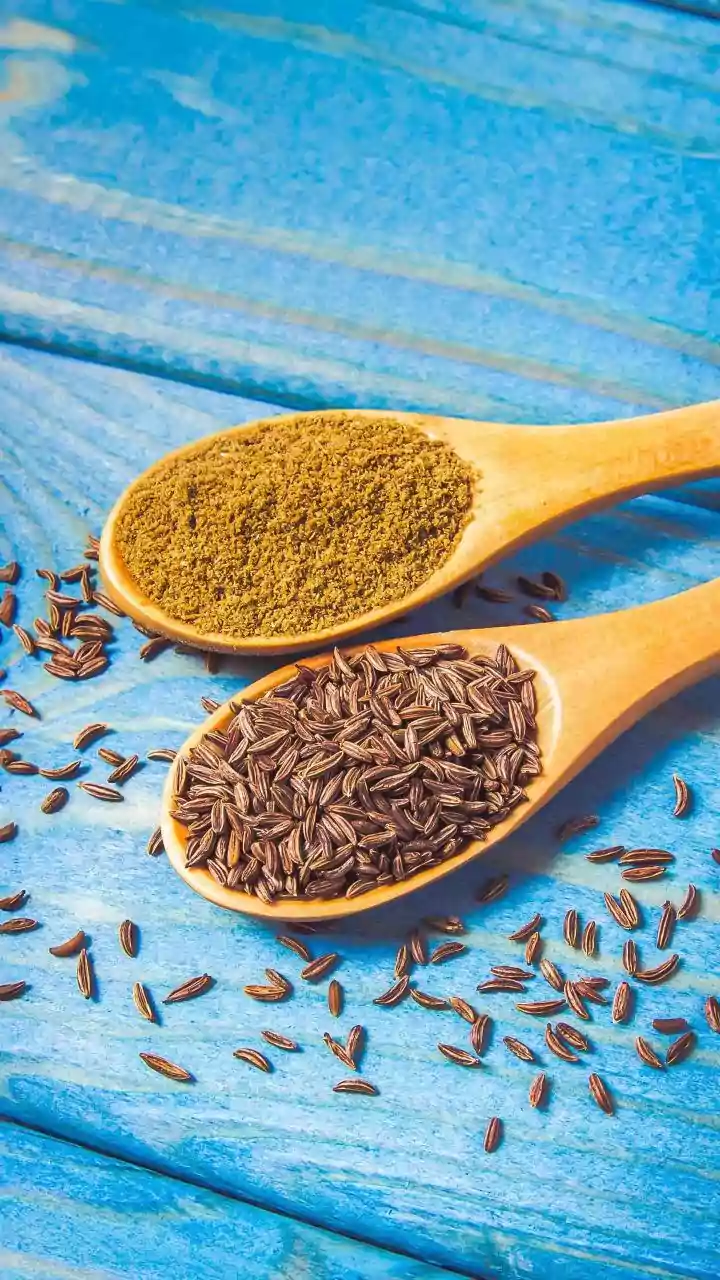
Preparing cumin water is incredibly simple, with two popular methods. The first is an overnight soak: add one teaspoon of cumin seeds to a glass of water and let it sit overnight. In the morning, you can strain and drink the water, either cold or gently warmed. The second method is a decoction: boil one teaspoon of cumin seeds in a glass of water for about five to ten minutes until the water turns a golden-brown colour. Strain the seeds and drink the water once it has cooled to a comfortable temperature. For a flavour twist, you can add a squeeze of lemon or a pinch of salt.
Are There Any Side Effects?
For most people, cumin water is safe when consumed in moderation (one to two glasses a day). However, excessive intake can sometimes cause heartburn or digestive irritation. People with diabetes or those on blood pressure medication should also be cautious, as cumin may have a mild effect on lowering blood sugar and blood pressure levels. It's always wise to listen to your body and consult a healthcare professional if you have any pre-existing conditions or concerns.