



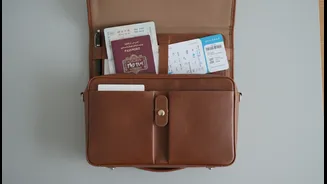




The New Digital Layer of Border Control
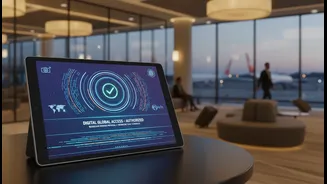
International travel is undergoing a significant digital transformation. Gone are the days when a valid passport was the only document needed for entry into many visa-free countries. Today, a growing number of nations are implementing mandatory digital pre-travel
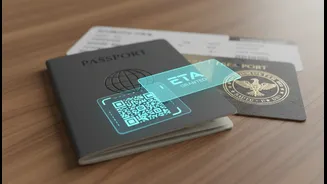
authorization systems. These are often called Electronic Travel Authorizations (ETAs) or known by specific names like the USA's ESTA or Canada's eTA. These systems require travelers to register online and receive approval before they even head to the airport. The primary goal is to enhance security by pre-screening travelers while also streamlining the border crossing process. Airlines are obligated to check for these digital approvals before boarding, meaning a forgotten application can halt your journey before it starts.
Key Systems to Know for Future Travel
Several major destinations have already implemented or are launching these systems. The United Kingdom's Electronic Travel Authorisation (ETA) became fully mandatory in early 2026 for visa-exempt nationals, including those from the US and EU countries. However, it's important to note that for Indian passport holders, who require a standard visa, the ETA does not apply; they must continue to use the visa process, which is also becoming increasingly digital. The European Union is set to launch its European Travel Information and Authorisation System (ETIAS) in late 2026. This will be required for travelers from over 50 visa-exempt countries to enter the 30 European nations in the Schengen Area. These new systems follow the blueprint of established programs like the United States' Electronic System for Travel Authorization (ESTA) and Canada's Electronic Travel Authorization (eTA), which have been in place for years.
How to Prepare and Apply Correctly
Navigating this new requirement is straightforward if you plan ahead. The most crucial rule is to apply early, ideally weeks before your departure, not just days. While many applications are approved within minutes, some can take several days if additional checks are needed. Always use the official government website or designated app to apply. Be wary of fraudulent third-party sites that overcharge for these services or may be scams to steal your data. To complete the application, you'll typically need your valid passport, an email address, and a credit or debit card to pay the fee. The cost varies by country, such as around €7 for ETIAS and £20 for the UK's ETA. Ensure every detail you enter, especially your name and passport number, is exactly as it appears on your passport to avoid having your authorization invalidated.
Beyond Pre-Approval: Expediting Your Arrival
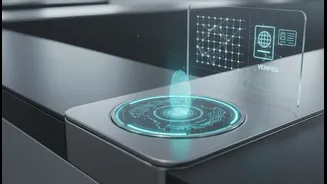
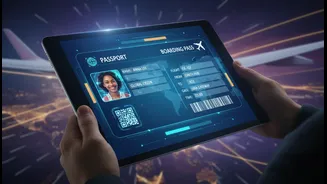
The digitization of borders extends beyond just getting permission to travel. Some countries also offer apps designed to speed up the physical entry process upon arrival. A prime example is the Mobile Passport Control (MPC) app in the United States. This free and official app from U.S. Customs and Border Protection allows eligible travelers, including U.S. citizens and returning visa-waiver program visitors, to submit their customs declaration and photo electronically after landing. This often grants them access to a designated, faster-moving queue, reducing wait times at immigration. Using the MPC app is voluntary and doesn't replace the need for an ESTA if you're a visa-waiver traveler, but it shows the broader trend toward using mobile technology to make the entire border crossing experience more efficient from start to finish.