



Drawn to the outdoors but split between the trail and the pavement? Hiking and skateboarding both offer a fresh-air escape, but they challenge your body in vastly different ways. The key to choosing is understanding the unique test of balance each presents.
The Trail's Stability Test
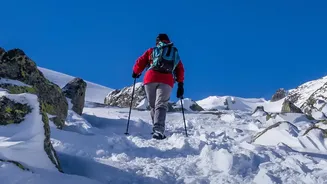
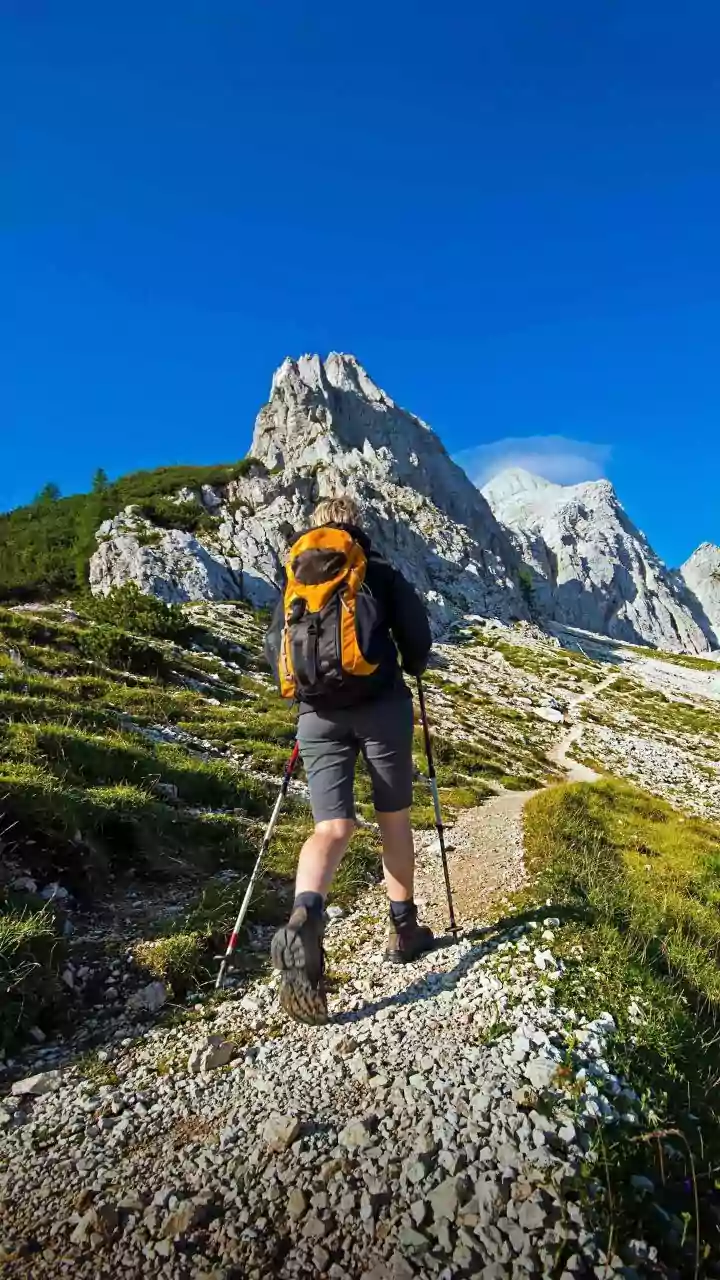
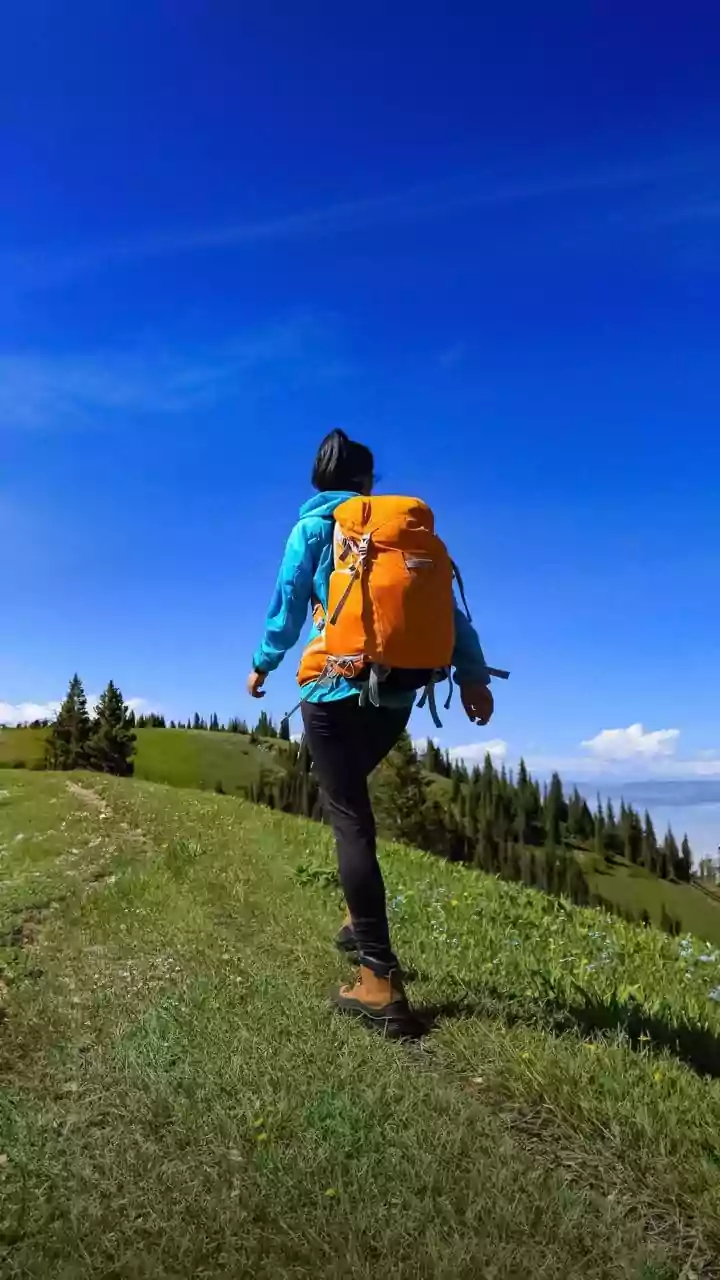
Hiking is a battle against the ground beneath you. Every step on an unpaved trail is a mini-challenge for your balance. Navigating rocks, roots, and uneven slopes forces your body to constantly make small corrections to stay upright. This process heavily relies on and improves proprioception, which is your body’s innate sense of its position in space. Your brain and muscles work in tandem to anticipate the terrain, strengthening the deep stabilizing muscles in your ankles, legs, and core. Think of it as a slow, deliberate form of balance training. The muscles engaged, including the quads, hamstrings, glutes, and core, work to provide prolonged stability and power, especially on inclines and declines. This makes hiking an excellent choice if your goal is to build functional strength and a steady, grounded sense of balance.
The Art of Dynamic Flow
Skateboarding, in contrast, is an exercise in dynamic balance. Instead of reacting to stationary ground, you're commanding a moving object. Balance here is about fluidity and constant, active adjustment. Your body must learn to absorb vibrations, shift weight for turns, and maintain its center of gravity over a board that's always in motion. The core is perpetually engaged, acting as the anchor that allows your legs to steer and perform tricks. This develops reactive stability—the ability of your muscles to make split-second corrections. While hiking builds endurance stability, skateboarding hones agility and fine motor control. The act of pushing with one leg while balancing on the other is a core component, making single-leg strength and coordination essential from the very beginning.
Muscle Engagement and Fitness Gains
Both activities provide a full-body workout, but they recruit muscles differently. Hiking is a fantastic cardiovascular exercise that builds endurance. Uphill sections target your glutes, quadriceps, and hamstrings, while downhill portions heavily rely on your quads and core for braking and stability. Over a long trek, these muscles are conditioned for sustained effort. Skateboarding is more akin to interval training, with bursts of explosive effort. Pushing for speed, popping for an ollie, and carving turns demand power from your quads, glutes, and calves. The core, including abs and lower back, works overtime to translate the movements of your legs to the board, making it a powerful tool for building core strength.
The Mental Game of Balance
The mental focus required also differs. Hiking allows for a more meditative state. While you must remain aware of the trail, the rhythmic nature of walking can clear your head and reduce stress. Your focus is on the path ahead and your body's steady interaction with it. Skateboarding demands a sharper, more immediate concentration. You're constantly scanning for cracks, pebbles, and obstacles while planning your next move, whether it's a simple turn or a complex trick. This intense focus can create a flow state where the outside world fades away, but it's a state built on rapid decision-making and heightened awareness, which can improve cognitive function.
Risk, Reward, and Getting Started
When it comes to accessibility and risk, hiking has a lower barrier to entry. Almost anyone can start on an easy, flat trail and gradually progress to more challenging terrain. The risk of serious injury is relatively low, with twisted ankles being among the most common issues. Skateboarding has a steeper learning curve and a higher likelihood of falls, scrapes, and bruises, especially for beginners. However, the reward is a unique feeling of freedom and accomplishment. Landing a trick for the first time or perfectly executing a carve provides a rush that many find addictive. Choosing between them may come down to your appetite for risk and the kind of reward you find more motivating: the quiet satisfaction of reaching a summit or the adrenaline-fueled joy of rolling away clean.