



The Shift from Restriction to Moderation
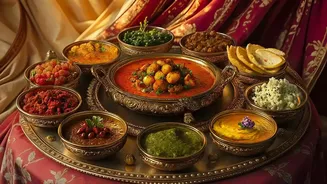
For years, health advice around festivals felt like a list of things you couldn't eat. Experts now suggest this all-or-nothing approach often backfires, leading to feelings of deprivation followed by overindulgence. The new mantra is moderation, not prohibition.
This focuses on a more sustainable and positive relationship with food, allowing you to participate in cultural traditions without the guilt. By embracing portion control, you can savour the rich flavours of festive delicacies without overloading your system. It’s a shift towards balance that honours both celebration and well-being.
Visualise Your Portions with Your Hands
You don’t need a weighing scale to manage your intake. A simple and effective method is to use your hands as a guide, a technique that is easy to apply even at a crowded gathering. For grains like rice, aim for a serving about the size of your clenched fist. A serving of protein, such as dal, paneer, or chicken, should be roughly the size of your palm. For fats like ghee or oil, limit the serving to the tip of your thumb. This intuitive method helps you build a balanced plate without complex calculations, making mindful eating a natural part of your meal.
Mastering the Art of the Festive Thali
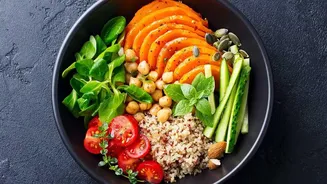
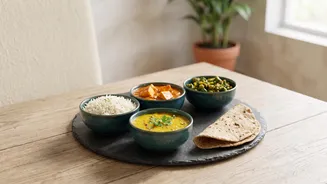
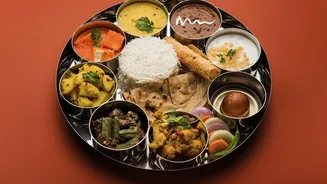
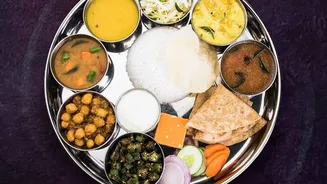
The traditional Indian thali is a built-in guide to portion control, but at festive buffets, plates can quickly become overloaded. A powerful strategy is the 'half-plate rule'. Before reaching for the richer items, fill half of your plate with salads or vegetables. This high-fibre base provides volume, helping you feel full with fewer calories and regulating digestion. Dedicate one quarter of your plate to protein like dal or paneer, and the final quarter to carbohydrates such as roti or pulao. This simple structure ensures you get a balanced meal and prevents you from mindlessly piling on heavy dishes.
Navigating the Sweet Temptations
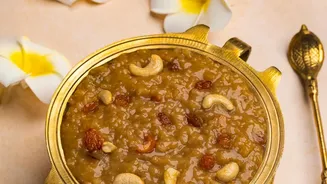
Festivals are incomplete without mithai, but you don't have to avoid them entirely. The key is to be smart about your choices and quantities. Instead of sampling every sweet on offer, pick one or two that you truly love. Practising portion control here is crucial; opt for one piece, or better yet, share a larger dessert with a family member. Eating sweets slowly and savouring each bite can increase satisfaction, making a small portion feel more fulfilling. Some experts also suggest choosing traditional, homemade sweets over store-bought varieties, as they often contain more wholesome ingredients.
Mindful Eating in Social Settings
Festive gatherings come with their own set of challenges, including social pressure and easy access to an endless supply of snacks. To avoid mindless grazing, try not to stand near the food counter during conversations. Before heading to a party, have a small, healthy snack at home, like a piece of fruit or a handful of nuts, to curb initial hunger pangs. It is also important to stay hydrated. Often, our bodies mistake thirst for hunger, so sipping water throughout the event can help prevent overeating. Finally, eat slowly and engage all your senses. This helps your brain register fullness and enhances your enjoyment of the meal.
It's a Season, Not a Single Day
Remember that the festive period is a marathon, not a sprint. One indulgent meal will not derail your health goals; it is the pattern of consistent overeating that makes a difference. If you do have a heavier meal, don't respond with guilt or extreme restrictions the next day. Instead, gently guide your routine back to balance. Focus on lighter, home-cooked meals, increase your water intake, and incorporate some light physical activity like a walk. This balanced perspective allows you to enjoy the festive season to its fullest, creating happy memories without compromising your long-term health.