





The Invisible Problem Indoors
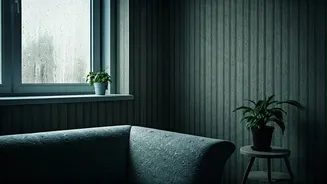
When the rains arrive, we shut our windows to keep water out, but we inadvertently trap a host of invisible troublemakers inside. The primary issue is a dramatic spike in humidity. [14] Anything above 60% humidity creates the perfect breeding ground for
mould, mildew, dust mites, and bacteria. [4, 5] This damp air clings to everything—walls, furniture, and clothes—making your home feel uncomfortable and smell musty. [13] It also causes pollutants already inside your home, like Volatile Organic Compounds (VOCs) from paint and furniture, to be released more aggressively into the air you breathe. [14, 20] Studies have shown that even during the monsoon, indoor air can be significantly more polluted than the air outside. [14, 29, 31]
Why Dampness Is More Than Just a Smell
That musty monsoon odour is more than just an annoyance; it’s a warning sign. High humidity and the resulting mould growth can have significant health implications. [11] Mould spores, once airborne, can trigger or worsen allergies, asthma, and other respiratory conditions. [3, 8] This is especially risky for children and the elderly. [12] Symptoms can range from coughing, wheezing, and sinus infections to persistent headaches and fatigue. [2, 8] The constant dampness puts a strain on your respiratory system, and in some cases, can even create an environment where more serious infections like pneumonia can spread more easily. [3, 22]
A Simple Ventilation Playbook
The most powerful tool against indoor dampness is free: strategic ventilation. Even during the monsoon, there are windows of opportunity. Open your windows for at least 15-20 minutes during drier parts of the day, like late mornings, to allow fresh air to circulate. [20] The most effective technique is cross-ventilation—opening windows on opposite sides of a room to create a current that pushes stale, moist air out and pulls fresh air in. [9] Don't forget your exhaust fans; run them in the kitchen while cooking and in the bathroom for ten minutes after a shower to expel moisture-heavy air directly outside. [7, 13] And whenever the sun makes an appearance, let it shine in. Sunlight is a natural disinfectant that helps dry out damp spots. [16, 17]
Natural Allies in Your Home
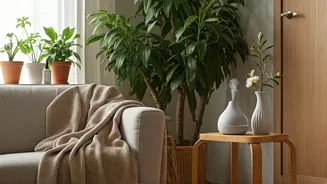
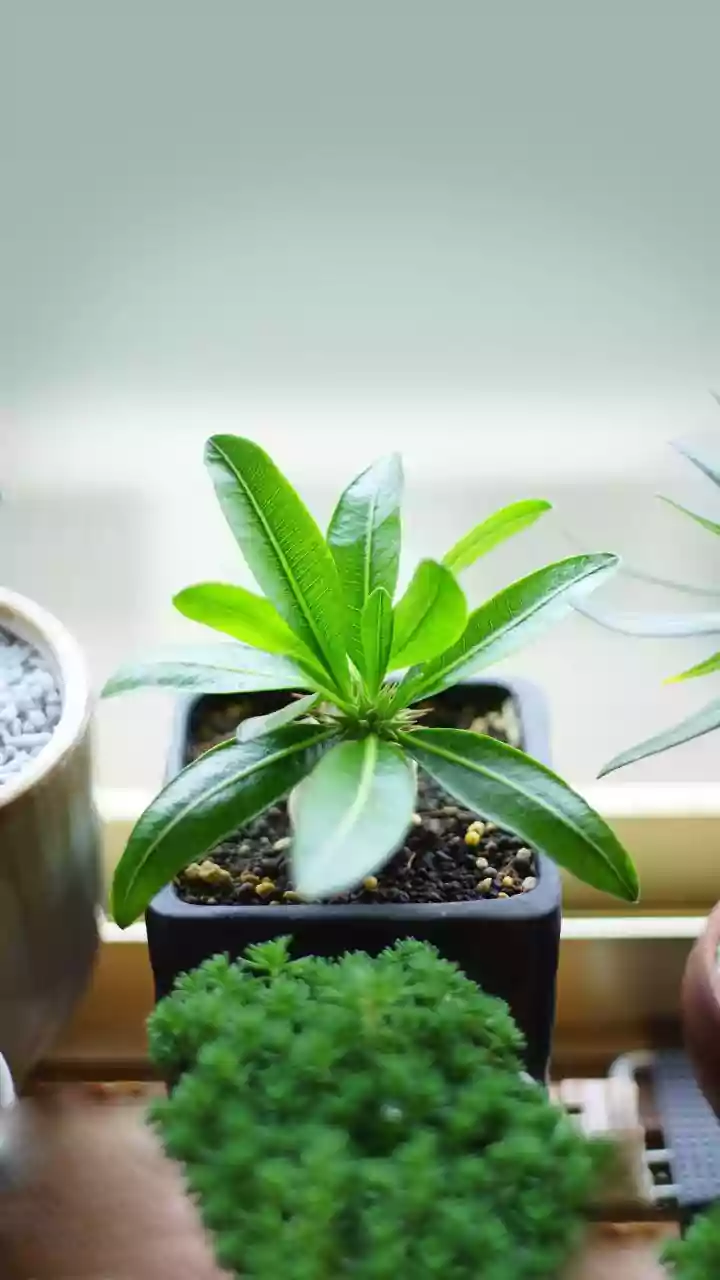
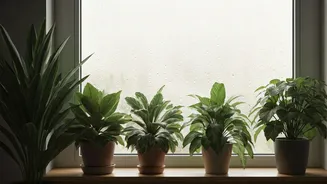
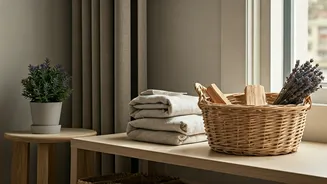
You can supplement your ventilation efforts with a few low-cost, natural helpers. Certain houseplants are known for their air-purifying and humidity-absorbing qualities, including snake plants, spider plants, and peace lilies. [7, 9] Placing these around your home can help balance indoor air. To tackle dampness in enclosed spaces like wardrobes and cabinets, consider natural desiccants. A simple bowl of rock salt or charcoal can absorb a surprising amount of moisture from the air. [7, 15] Placing dried neem leaves or camphor in closets can also help prevent mould and keep clothes smelling fresh. [16] Finally, avoid drying clothes inside a closed room, as this releases a large amount of moisture into the air. [13] If you must dry them indoors, ensure the room is well-ventilated with a fan and a cracked window.
When to Call for Backup
For homes with persistent dampness or for families with vulnerable members, mechanical aids can provide extra support. A dehumidifier is designed specifically to pull moisture from the air, helping to maintain an ideal humidity level between 40-60%. [4, 6] This makes it much harder for mould and dust mites to thrive. [5] An air purifier with a HEPA filter can also be a valuable addition, as it traps airborne particles like mould spores, dust, and other allergens, further cleaning the air you breathe. [21] However, these devices should be seen as a supplement to, not a replacement for, the fundamental practice of ensuring good, regular ventilation. Fresh air remains the first and most important step.