



Why the Monsoon Increases Health Risks
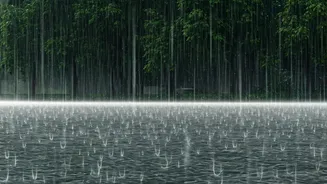
The monsoon season is a high-risk period for water-borne diseases across India. [15] Heavy rainfall can lead to the flooding of drains and overflow of sewage systems, which then contaminate groundwater and public water supplies. [5, 15] This undesirable
mixing creates a perfect breeding ground for harmful bacteria, viruses, and parasites. [3, 13] When this contaminated water enters homes, it brings with it a host of illnesses that primarily affect the digestive system, leading to what are commonly known as monsoon stomach bugs. [5] The high humidity also helps microorganisms thrive, making food and water contamination more likely. [3, 13]
Common Monsoon Stomach Ailments
Several water-borne diseases become more prevalent during the rainy season. Cholera, caused by the bacterium Vibrio cholerae, leads to severe diarrhoea and dehydration. [5, 15] Typhoid fever, caused by Salmonella Typhi, is another major concern, often linked to contaminated food and water, presenting with high fever, headaches, and stomach pain. [5, 17] Other common infections include gastroenteritis (stomach flu), dysentery, and Hepatitis A. [13, 29] Symptoms to watch for often include watery diarrhoea, stomach cramps, nausea, vomiting, and fever. [29, 30] While many cases are mild, these illnesses can be severe, especially for children and the elderly. [29]
The Simple Power of Boiling
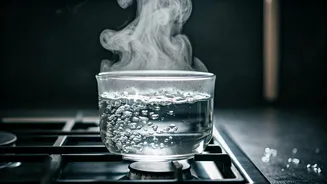
Boiling is one of the most effective and accessible methods to make water microbiologically safe. [8] The process is simple: heating water to a rolling boil kills or inactivates the vast majority of disease-causing pathogens, including bacteria like Salmonella and E. coli, viruses like Hepatitis A and Norovirus, and parasites like Giardia and Cryptosporidium. [4, 9] The heat damages the structural components of these microorganisms, rendering them harmless. [8] While modern purifiers are an option, boiling requires no special equipment beyond a pot and a heat source, making it a reliable method for every household, especially during emergencies or when water quality is uncertain. [23]
How to Boil and Store Water Correctly
To ensure your water is safe, it's important to boil it properly. Bring the water to a full, rolling boil. This is the point when bubbles are continuously and rapidly rising to the surface. [6] According to the Centers for Disease Control and Prevention (CDC), you should maintain this rolling boil for at least one minute. [4, 8] If you are at an altitude above 2,000 meters (about 6,500 feet), it is recommended to boil for three minutes. [4, 8] After boiling, let the water cool down naturally without adding ice. Store the cooled water in clean, disinfected, and tightly covered containers to prevent re-contamination. [10, 21] Properly stored boiled water can be kept for several days. [11]
Beyond Boiling: Additional Monsoon Precautions
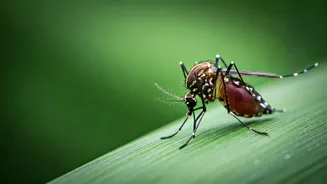
While boiling drinking water is crucial, other habits can further protect you. Always wash your hands with soap and water before preparing food and before eating. [3, 16] Be wary of street food, especially items that are uncooked or served with water or ice of unknown origin, like juices and chutneys. [14, 16] Wash all fruits and vegetables thoroughly with clean water before consumption. [16] At home, ensure there is no stagnant water in or around your house to prevent mosquito breeding, which brings another set of monsoon diseases like dengue and malaria. [12, 13] Using a reliable water filter can provide an additional layer of safety, but boiling remains the gold standard for killing germs. [14, 23]