





The Science of Spice
The fundamental difference between a sweet bell pepper and a fiery hot chilli lies in a single chemical compound: capsaicin. This natural substance is responsible for the burning sensation we feel when eating spicy food. The concentration of capsaicin is measured
on the Scoville Heat Units (SHU) scale, developed by pharmacist Wilbur Scoville in 1912. A sweet bell pepper has zero SHU because it has a recessive gene that prevents it from producing capsaicin. In contrast, some of the world's hottest chillies can soar to over a million SHU. This scale is the ultimate guide to understanding just how much heat a pepper packs.
The World of Sweet Peppers
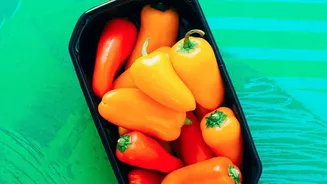
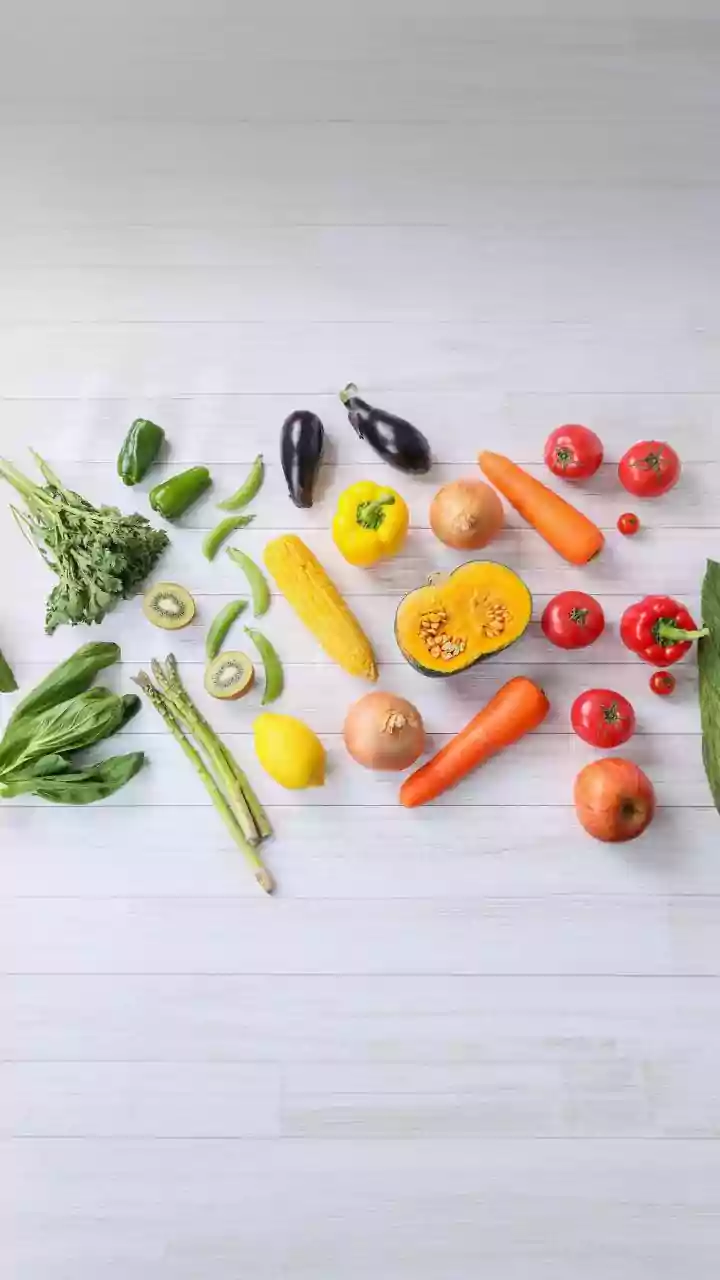
Sweet peppers are beloved for their versatility and mild, often fruity flavour. They are technically fruits but are treated as vegetables in the culinary world. The most common are bell peppers, which come in a rainbow of colours. Green bell peppers are harvested earliest and have a slightly bitter, grassy taste. As they ripen, they turn yellow, orange, and finally red, becoming progressively sweeter. Red bell peppers are the sweetest and have more than double the Vitamin C of an orange. Other popular sweet varieties include long, pale green Cubanelle or Italian frying peppers, and small, snackable lunchbox peppers, all of which are excellent raw, roasted, or stir-fried.
Mild Heat: Flavour and Colour
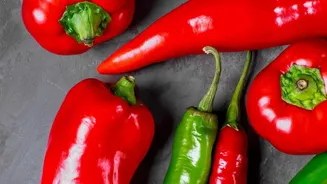
Moving up the heat scale, we find chillies prized more for their flavour and colour than their fire. The best example is the Kashmiri chilli, a staple in North Indian cooking. With a very low rating of 1,000–2,000 SHU, its main purpose is to impart a vibrant, deep red colour to dishes like rogan josh and tandoori marinades without adding significant heat. Another popular choice is the Byadgi chilli from Karnataka, known for its deep red colour and smoky, mildly pungent flavour, often used in South Indian sambar and masalas. These chillies are perfect for when you want a dish to look fiery but remain palatable for everyone.
Medium Heat: The Everyday All-Rounders
This category is home to some of the most versatile and widely used chillies in Indian kitchens. The Jwala chilli, often simply called the green chilli, is a common sight in households across Gujarat and Maharashtra. With a clean heat of around 20,000–30,000 SHU, it's used fresh in chutneys, stir-fries, and as a garnish. The Guntur Sannam chilli from Andhra Pradesh is the workhorse of Indian heat, providing a bold, pungent spice in the 30,000-40,000 SHU range. When a recipe calls for 'red chilli powder,' it's often referring to a Guntur-family chilli, which brings a confident warmth to curries and pickles.
Hot and Super-Hot: Handle with Care
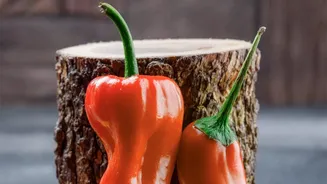
For those who truly love intense spice, the options are thrilling. Kanthari chillies, also known as bird's eye chillies, are small but pack a significant punch, ranging from 50,000 to 100,000 SHU. But the undisputed king of heat in India is the Bhut Jolokia, or ghost pepper, from the Northeast. Once certified as the world's hottest chilli, it measures over 1 million SHU. Its flavour is surprisingly fruity and smoky, but its intense fire means it should be used in minuscule amounts, typically in pickles and chutneys where its heat can be balanced.
Choosing and Storing Your Peppers
When selecting any pepper, look for firm, glossy skin without wrinkles, soft spots, or blemishes. The stem should be fresh and green. To store whole, unwashed peppers, place them in a produce bag in your refrigerator's crisper drawer, where they can last for up to two weeks. Washing introduces moisture that can speed up spoilage. If you chop peppers, store them in an airtight container in the fridge and use them within three days for the best flavour and crunch. Remember that most of a hot pepper's capsaicin is concentrated in the inner white ribs and seeds; removing them will significantly reduce the heat.