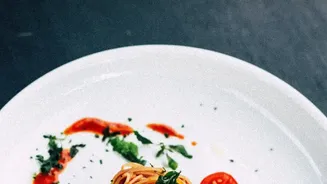




The Anatomy of an 'Instagrammable' Dish
What makes a dish worthy of a post? It’s a science and an art. The most shareable foods often have distinct visual qualities. Think vibrant, contrasting colours, like the bright pink and blue swirls of Starbucks's Unicorn Frappuccino, which became a viral
sensation despite mixed reviews on its taste. Height is another key factor, with chefs creating towering burgers and extravagantly overloaded milkshakes designed to look dramatic on screen. Interactive elements are also crucial; the 'cheese pull' on a pizza, the crackle of a kunafa crust, or a melting chocolate dome all provide the kind of short-form video content that algorithms love. In India, trends like fusion mithai, such as jalebi cheesecake jars, and visually dramatic Korean street food with stretchy cheese and bold sauces have exploded in popularity precisely because they are made for the camera.
Good Looks are Good Business
For restaurants, embracing this visual culture is a strategic business decision. A single viral post can act as a free marketing campaign, bringing queues around the block for an independent cafe with a small budget. Hospitality analysts note that these highly visual signature items function like advertisements built directly into the menu. This user-generated content is powerful; one study found that a restaurant in Israel gained the equivalent of $400,000 in free promotion from social media food photos, boosting its sales by 13%. Restaurants are no longer just food venues; they are content studios. The entire space, from the lighting to the wallpaper, is often designed to be a photogenic backdrop. Bright, natural light is favoured over dim, romantic moods, and unique decor like neon signs or statement tiles provides a ready-made setting for diners' photos.
The Chef's Creative Dilemma
This shift has created a tangible tension in the culinary world. Many classically trained chefs now grapple with a new identity: are they artists driven by flavour, or content creators driven by visuals? The pressure to create plates that are not just delicious but also photogenic can feel like a constraint. Some chefs feel that social media has put the focus on “shiny bits” rather than craftsmanship and technique. The menu development cycle has also compressed from months to days, as restaurants rush to jump on fast-moving viral trends they see online. This has led to an industry where kitchens sometimes prioritise novelty and appearance over fundamental taste and texture, leading to dishes that look exciting online but are underwhelming in person. The rise of food influencers, who are not always trained chefs, further complicates this, as they can popularise trends without needing to master the underlying culinary skills.
Is the Food Actually Getting Better?
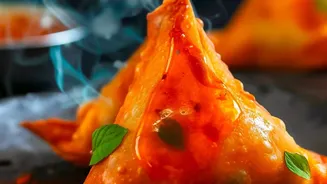
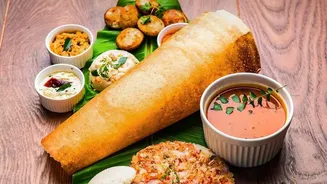
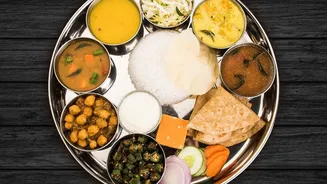
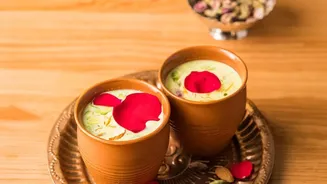
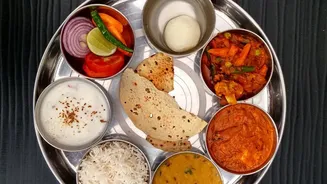
Interestingly, the act of taking a photo might actually improve the dining experience for the customer. Several studies have suggested that the ritual of taking a picture before a meal can increase anticipation and make the food seem tastier. It transforms a private meal into a shared, communal event. However, a backlash is brewing among savvy diners who are growing tired of style over substance. Customers are increasingly calling out dishes that are messy, overpriced, or simply don't taste as good as they look. Review platforms now frequently feature comments on whether a dish was a gimmick, arriving lukewarm after being elaborately constructed for a photo. In a way, Instagram is also helping to revive an appreciation for tradition. Beautifully presented thalis, meals on banana leaves, and chai in rustic kulhads have found renewed popularity because they photograph so well, pushing cultural authenticity back into the spotlight.