



It’s All About Orbital Speed
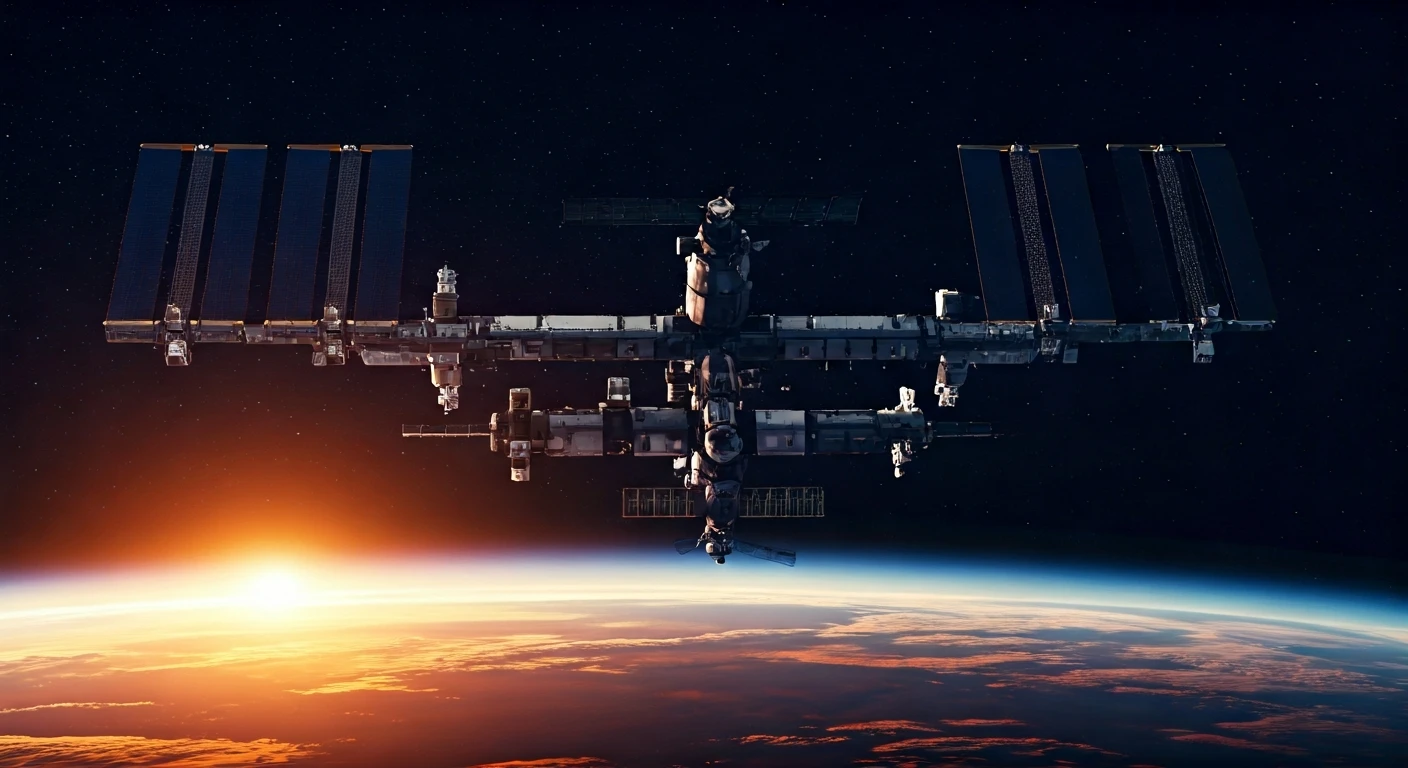
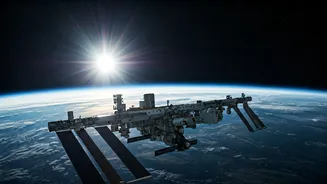
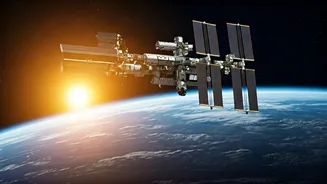
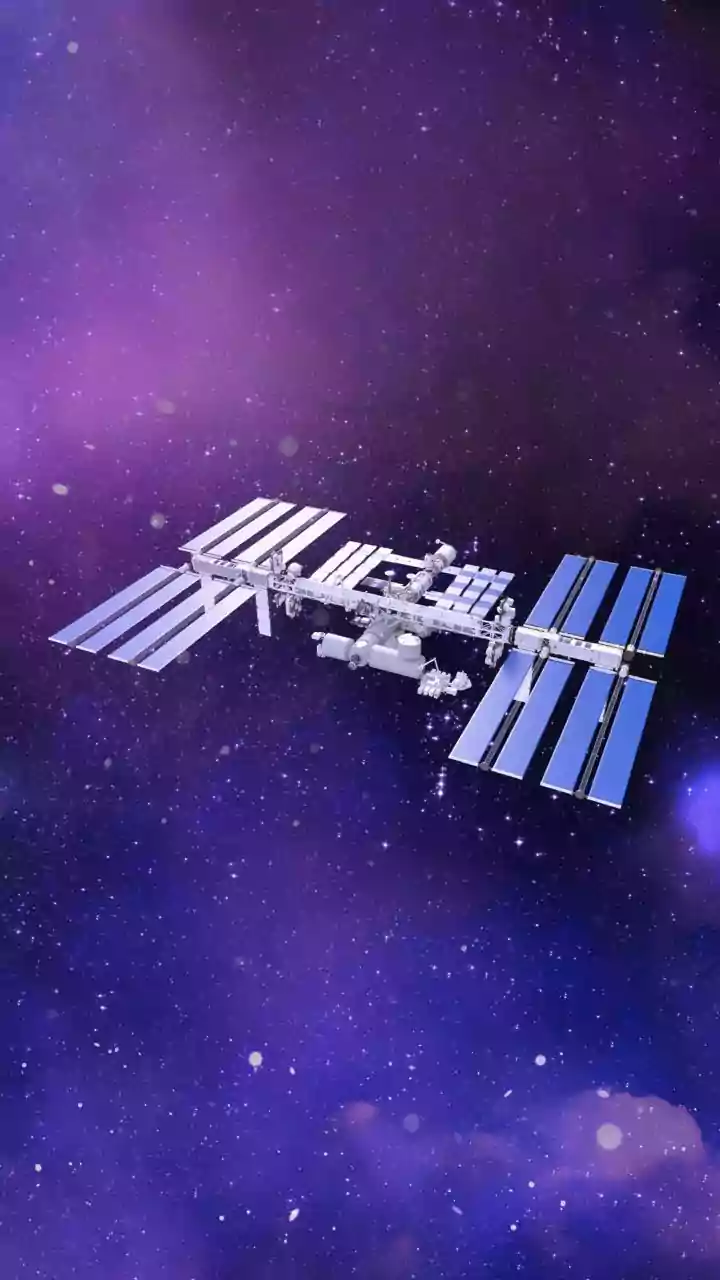
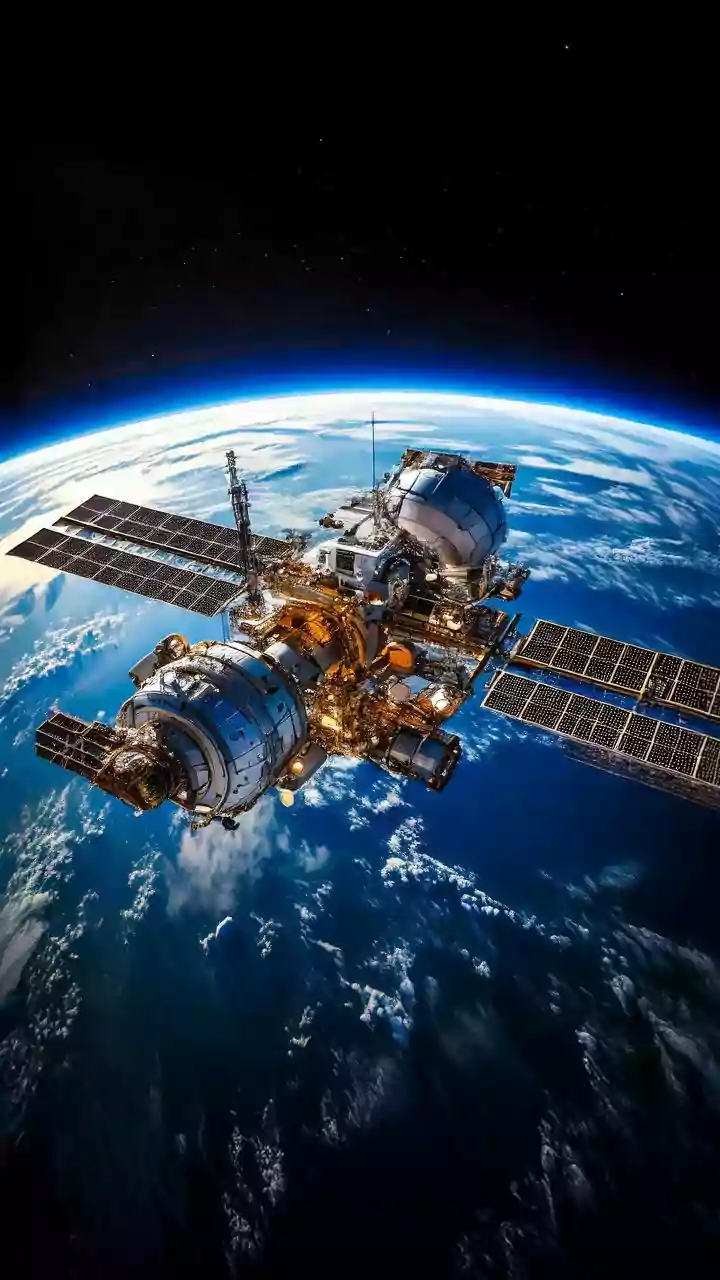
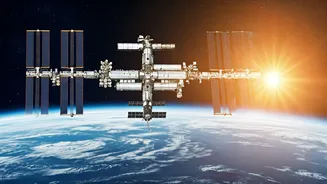
The primary reason for this cosmic spectacle is the incredible speed of the International Space Station (ISS). The station hurtles through low Earth orbit at approximately 28,000 kilometres per hour, or about 7.7 kilometres per second. To put that in perspective,
a commercial airliner cruises at roughly 900 kilometres per hour. This immense velocity is necessary to counteract Earth's gravity and keep the station in a stable orbit, about 400 kilometres above the surface. Because of this speed, the ISS completes a full circle around our planet in roughly 90 minutes. This means that every hour and a half, the station and its crew travel through one full day-and-night cycle relative to the Sun.
The 90-Minute Day
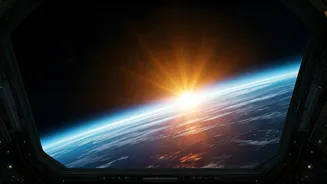
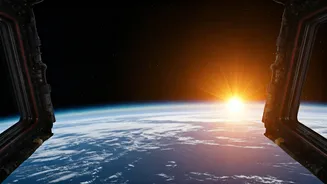
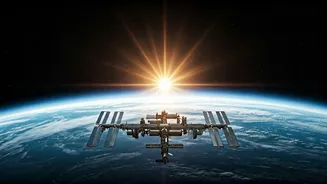
When you do the maths, a 24-hour period on Earth contains 1,440 minutes. Dividing this by the ISS's 90-minute orbital period gives you 16 orbits. During each orbit, the station passes from the sunlit side of Earth into its shadow, and then emerges back into the light. For the astronauts on board, each pass into the shadow is a sunset, and each emergence is a sunrise. This results in approximately 45 minutes of daylight followed by 45 minutes of darkness, repeating 16 times over the course of what we on the ground call a day. This rapid cycling is a constant reminder of the dynamic nature of space travel and offers a unique perspective on our planet.
Coping with a Confused Body Clock
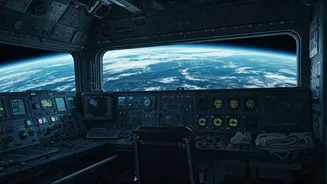
While witnessing 16 sunrises sounds breathtaking, it poses a significant challenge to the human body. Our internal biological clock, or circadian rhythm, is naturally attuned to a 24-hour cycle of light and dark. The constant and rapid shifts between light and dark on the ISS can disrupt this rhythm, leading to sleep deprivation, fatigue, and potential performance errors. Astronauts often report sleeping for only about six hours a night, despite having eight hours scheduled. To combat this, life on the station is highly regulated. Astronauts follow a strict schedule based on Coordinated Universal Time (UTC) to create a consistent sense of a 24-hour day. The window shades are crucial for blocking out the unexpected sunlight during scheduled sleep periods.
Simulating a Normal Day
NASA and other space agencies have implemented clever solutions to help astronauts adapt. The lighting inside the ISS has been upgraded to a special LED system that can change its colour and intensity throughout the day. In the 'morning' of the astronauts' schedule, the lights are brighter and have a bluer tone to promote alertness. As their 'day' progresses towards 'evening', the lights dim and shift to a warmer, reddish hue, signalling to their bodies that it's time to wind down. This technological solution essentially fakes a single, Earth-like day inside the station, helping to regulate the crew's circadian rhythms and ensure they remain healthy and focused for their critical work.
A View Like No Other
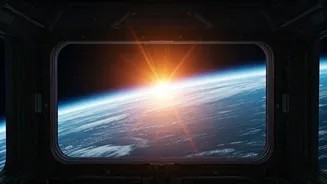
Despite the biological challenges, the visual reward is immense. Astronauts consistently describe the experience as surreal and beautiful. An orbital sunset is incredibly fast, lasting only a few seconds. They describe seeing a thin band of blue, orange, and red appear on the horizon as the Sun seems to drop below the Earth's curve. From their vantage point, the layers of the atmosphere become visible, glowing in a brilliant sequence of colours against the blackness of space. Renowned NASA astronaut Sunita Williams described the view as an 'intimately beautiful experience'. It's a constant, powerful reminder of the planet's fragility and beauty, a unique perspective granted only to those who orbit above it.