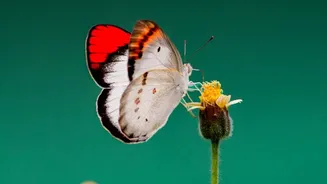





As summer's heat gives way to milder autumn days, you might notice a surprising burst of activity in your garden. Colourful butterflies seem to dance through the air, but this isn't random—it's a vital seasonal ritual playing out in our cities.
Autumn: A Critical Time for Butterflies
While we
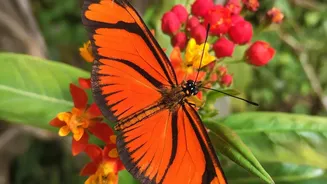
often associate butterflies with spring and summer, the post-monsoon and autumn period is a crucial time for these delicate insects. For many species, this is their last chance to gather energy before the drier, cooler winter months. This season acts as a second wind, providing essential nectar that fuels their daily activities, supports breeding, and prepares them for overwintering or migration. In parts of India, this period coincides with major butterfly migrations, like the movement of milkweed butterflies from the Eastern Ghats back to the Western Ghats, making late-blooming flowers an essential refuelling stop on their long journey. City gardens, often fragmented islands of green, become incredibly important pit stops in an urbanised landscape.
What Makes a Flower Appealing?
Butterflies are discerning visitors. They don't just land on any flower; they have specific preferences that guide them to the richest food sources. Sight is their primary tool—they are drawn to bright colours like red, yellow, orange, pink, and purple, which stand out against green foliage. Flower shape also matters. Butterflies prefer flat-topped, clustered flowers that provide a stable landing pad. Plants like Zinnias, Lantana, and Marigolds are perfect examples. Their long, straw-like tongues, called proboscises, are designed to sip nectar from deep within a flower's tube. While vision attracts them from a distance, scent helps them make the final decision, confirming that a flower is worth visiting.
Best Autumn Flowers for Indian City Gardens
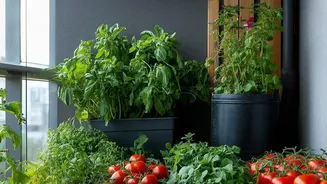
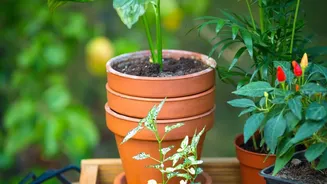
Creating an autumn butterfly haven in your balcony or terrace is easier than you think. Many hardy plants thrive in the post-monsoon season and provide the nectar butterflies desperately need. Marigolds (Genda) are a classic choice, known for their vibrant orange and yellow blooms that are highly attractive to butterflies. Asters, with their daisy-like purple and pink flowers, are another late-season hero, offering nourishment when other flowers have faded. Cosmos and Zinnias are easy-to-grow annuals that produce a continuous supply of nectar-rich flowers. For those with a bit more space, shrubs like Lantana are butterfly magnets, flowering almost year-round with minimal care. Even flowering herbs like basil, if you let them bloom, can become a valuable food source.
Creating a Complete Butterfly Habitat
A truly successful butterfly garden provides more than just food for the adults. To encourage butterflies to stay and breed, you need to include host plants for their caterpillars. For example, the Curry Leaf plant (Kadi Patta) is the host for the Common Mormon butterfly, and Passionflower vines host the Tawny Coster. Many of these host plants are easy to grow in pots. Beyond plants, providing a shallow dish of water with pebbles for butterflies to land on can make a big difference, a practice known as 'mudpuddling'. Most importantly, avoid using chemical pesticides. These can be lethal to butterflies and their caterpillars, undoing all your hard work to create a welcoming space.
Why Your Urban Garden Matters More Than Ever
As cities expand, natural habitats shrink, and climate change disrupts long established ecological cycles. Studies show that butterfly migrations and life cycles are shifting, making the resources available in urban green spaces more critical than ever. A single balcony garden or a small flowering patch may seem insignificant, but when multiplied across a city, they form a network of vital corridors for pollinators. These tiny ecosystems support biodiversity, help maintain plant genetic diversity, and bring a touch of wild nature into our daily lives. By choosing the right plants, you're not just creating a beautiful space—you're playing an active role in conservation.