



An Entire Sensory Experience
More than just a snack, the act of buying and eating bhutta is a complete sensory ritual. It begins with the sight of a street vendor, the bhutta-wala, skillfully fanning glowing red coals in a small metal sigdi (stove). Then comes the sound: the crackle
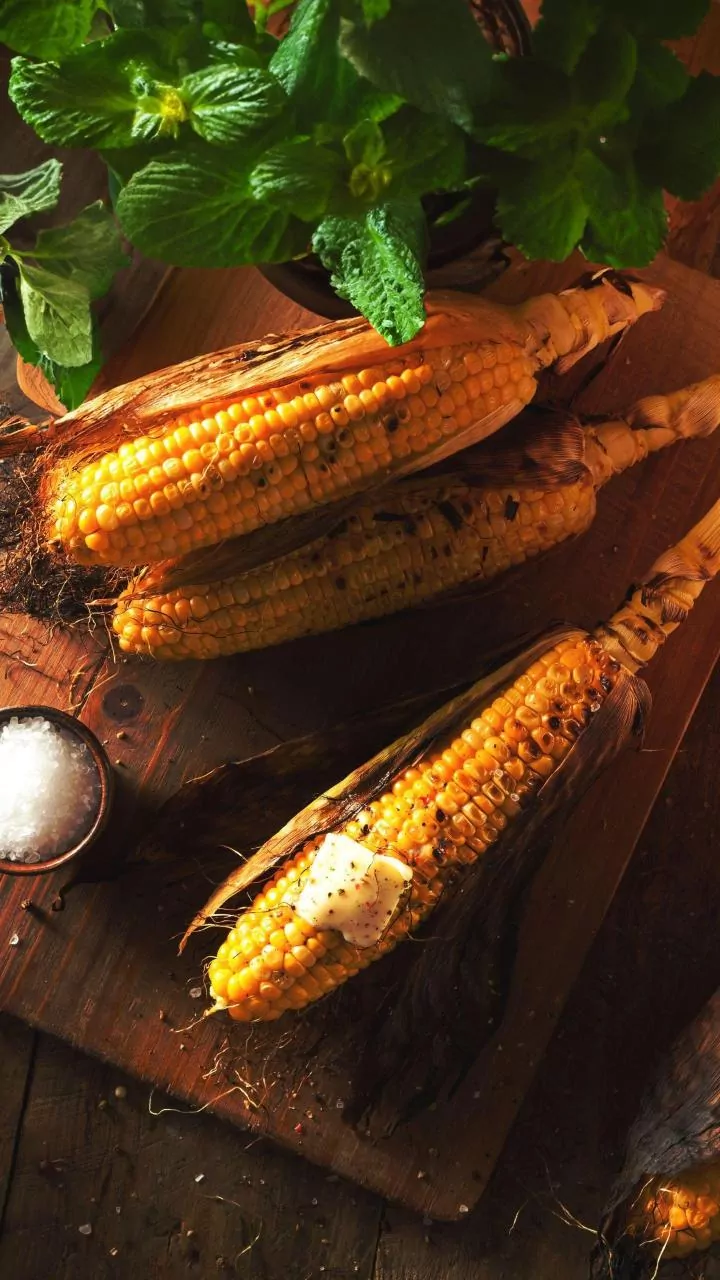
of the embers and the gentle hiss as the corn cobs are turned over the open flame. The smoky fragrance mixes with the petrichor—the earthy scent of rain on dry soil—creating a perfume unique to the Indian monsoon. Holding the piping hot cob, singed black in places and golden in others, is a tactile joy in the cool, damp air.
The Classic Desi Corn
While the sweeter, softer American sweet corn is available year-round, the true monsoon bhutta experience comes from the desi variety. This indigenous Indian corn has smaller, less sugary kernels and a distinctly chewier texture. It might require more effort to eat, but the reward is a nuttier, earthier flavour that stands up perfectly to the intense heat of the charcoal. When roasted, its natural starches caramelize, creating a satisfying bite that is both comforting and rustic. This desi corn is a seasonal crop, which is why its appearance on the streets heralds the true arrival of the rains.
The Magic in the Masala
A plain roasted corn is good, but what elevates bhutta to legendary status is the final dressing. After the cob is roasted to perfection, the vendor takes half a lemon, dips it into a signature spice blend, and rubs it vigorously all over the hot kernels. This masala mix is the heart of the flavour. It typically consists of kala namak (black salt) for a sulfuric tang, red chilli powder for a kick of heat, and chaat masala for a complex, funky, and sour taste derived from ingredients like amchoor (dried mango powder). The lime juice awakens all these spices, its acidity cutting through the smokiness and creating an explosion of hot, sour, salty, and spicy notes in every bite.
A Ritual of the Rainy Season
Enjoying a bhutta is rarely a solitary act; it is a shared cultural experience. It represents a pause in the day, a moment of simple pleasure. You'll see families stopping their cars, friends huddled under a single umbrella, and office-goers taking a detour, all waiting for their turn at the bhutta stall. It’s an affordable and democratic snack, enjoyed by people from all walks of life. This communal aspect is part of its charm. It’s a food that tastes best when eaten outdoors, with the sound of rain as a backdrop, connecting people not just to the food but to the season and to each other.
Healthier Than You Think
In a season where cravings for fried and heavy foods are common, bhutta stands out as a relatively healthy indulgence. Because it is roasted directly over coals rather than being deep-fried, it is naturally low in fat. Corn itself is a good source of dietary fibre, which aids digestion, and contains essential vitamins and antioxidants. Choosing the traditional desi bhutta over the hybrid sweet corn also means less sugar and a lower glycemic index. It's a guilt-free treat that delivers warmth and satisfaction without the heaviness of other popular monsoon snacks like pakoras or samosas.