

Which Regions Are Most Affected?
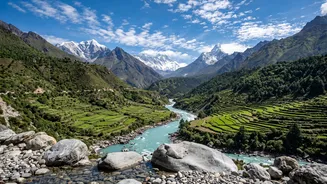
The flash floods, triggered by a glacial collapse on the Nepal-China border, were concentrated along the Bhote Koshi and Trishuli river corridors. The hardest-hit district is Rasuwa, a key gateway to the Langtang trekking region and the Tibetan border.
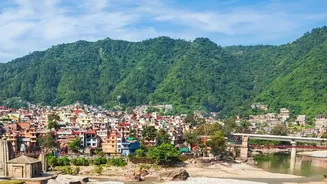
Towns like Syabrubesi and Timure have suffered significant damage to roads, bridges, and buildings. The impact extends downstream into Nuwakot, Dhading, and Gorkha districts. Consequently, governments like Australia and Singapore are advising citizens to reconsider travel to these specific areas. The Langtang trekking route, while the valley itself is largely safe, is difficult to access due to destroyed approach roads, with the Nepal Tourism Board advising trekkers to postpone plans for this region for now.
Are Major Tourist Hubs Safe?
Yes, Nepal’s main tourist hubs are safe and operating normally. Kathmandu, with its international airport and UNESCO World Heritage sites, was not affected by the floods. Hotels, restaurants, and cultural sites in the capital are functioning as usual. Similarly, Pokhara, the popular lakeside city and starting point for Annapurna treks, is completely safe as a destination. Chitwan National Park, famous for its jungle safaris, is also open to visitors. The key distinction for travelers is that the disaster, while catastrophic, is geographically contained. Major trekking regions, including the Everest, Annapurna, and Manaslu circuits, were not in the flood's path and remain fully operational.
What Is the Advice for Trekkers?
For trekkers, the most important factor is the specific destination. The Everest Base Camp, Annapurna Circuit, and Manaslu treks are unaffected and accessible, with flights to Lukla operating normally. However, anyone planning a trek in the Langtang region must exercise extreme caution. The main access town of Syabrubesi has been severely damaged, and the approach roads are closed or unstable. While the trails higher up in Langtang Valley may be physically intact, getting there is the primary challenge. Trekking agencies and official bodies advise postponing Langtang treks until infrastructure is repaired and the area is declared safe for travel. The risk of further landslides and changing conditions remains high in the monsoon-affected corridors.
Rethinking Travel and Staying Informed
While most of Nepal is open for business, overland travel requires careful planning. Some highways connecting major cities like Kathmandu and Pokhara have experienced temporary restrictions or damage, making flights a more reliable option between these hubs for the time being. The monsoon season in Nepal, which typically runs from June to September, always carries an increased risk of landslides and travel disruptions. Before traveling, it is crucial to consult multiple sources. Check for the latest advisories from your home country's foreign office, as several have issued specific warnings for the flood-hit districts. Contact your tour operator or trekking agency directly for on-the-ground conditions. Finally, monitor updates from Nepal’s Department of Hydrology and Meteorology, which provides real-time information on weather and flood risks.