

The Allure of Natural Relief
When your head is pounding and your nose is blocked, the appeal of a simple, natural remedy is undeniable. Steam inhalation is accessible, inexpensive, and feels intuitively helpful. The warm, moist air seems to cut through congestion, offering a moment
of peace from the misery of a cold or sinus pressure. This practice taps into a desire for self-care and control over our symptoms, using little more than water and heat. For many, it's a go-to first step for soothing irritated nasal passages and loosening what feels like stubborn, built-up mucus. The act itself is a comforting ritual, a way to actively do something to feel better when you’re otherwise forced to wait for an illness to pass.
How Steam Provides Temporary Comfort
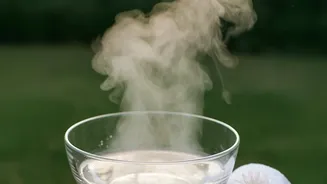
There is a reason steam feels good. The primary benefit of inhaling warm, moist air is hydration. It helps to moisten the nasal passages and can temporarily thin out thick, dry mucus. This process may make the mucus easier to clear by blowing your nose, which can create a feeling of openness and reduced pressure. The warmth can also be generally soothing for irritated tissues in the nose and throat. However, this effect is largely mechanical and short-lived. It provides a feeling of relief rather than fixing the root problem, which is usually inflammation or infection in the sinuses.
Where Claims Meet Medical Reality
Here's where comfort and treatment diverge. While steam inhalation might make you feel better for a few minutes, scientific evidence supporting it as an effective treatment for sinusitis is weak. A major study published in the Canadian Medical Association Journal found that steam inhalation was not effective in relieving the main symptoms of chronic sinus congestion, though it did seem to help with associated headaches for some participants. In contrast, the same study showed that nasal saline irrigation provided a measurable, albeit modest, improvement. Doctors often clarify that steam inhalation does not cure an underlying infection, whether it's viral or bacterial. It's a supportive measure that helps manage symptoms, but it's not a substitute for proven medical treatments when they are needed.
The Herbal Element: Helpful or Hype?
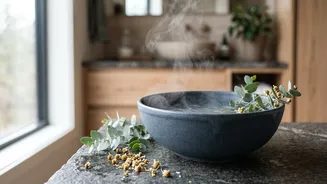
Many people add essential oils like eucalyptus or peppermint to their steam, believing the herbs boost the decongestant effect. These oils contain compounds, like menthol in peppermint and 1,8-cineole in eucalyptus, that create a sensation of improved airflow. The cooling feeling can trick your brain into thinking you're less congested. While some of these compounds have mild anti-inflammatory or antimicrobial properties, inhaling them in steam is not a proven cure for a sinus infection. Furthermore, essential oils can be irritating to the airways, especially for people with asthma or allergies, and should be used with caution. They can enhance the sensory experience of steaming, but they don't change its fundamental role as a temporary comfort measure.
The Hidden Dangers of DIY Steaming
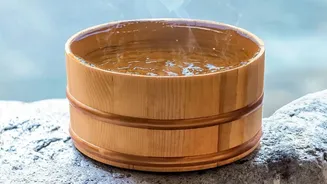
The most significant risk associated with the traditional bowl-and-towel method is not from the steam itself, but from the hot water. Accidental spills can cause serious scalds and burns to the face, hands, and chest. This risk is especially high for children, but adults who are tired or unwell can also easily knock over a bowl of near-boiling water. Some experts recommend keeping your face at least 10-12 inches away from the water to prevent burns to your skin or nasal passages. Overdoing it with very hot steam or prolonged sessions can also potentially irritate the delicate lining of your nose. A safer alternative for enjoying the benefits of humidity is to use a humidifier or simply sit in the bathroom while a warm shower runs.
Smarter Ways to Manage Sinus Pain
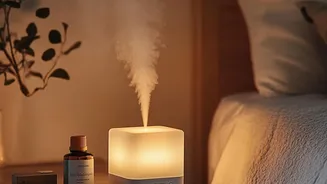
If steam is just for comfort, what actually works? For sinus congestion, evidence strongly supports the use of saline nasal irrigation, using a neti pot or saline spray to flush out mucus and allergens from the nasal passages. Staying well-hydrated by drinking plenty of water helps keep mucus thin naturally. Using a humidifier in your room, especially while you sleep, can also help keep your airways moist without the risk of burns. Over-the-counter decongestants may provide relief, but if symptoms are severe, last longer than 10 days, or are accompanied by a high fever, it's important to see a doctor to check for a bacterial infection that may require antibiotics.