





Your Body's Internal Clock
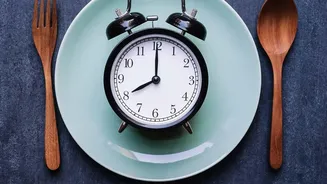
Every cell in your body operates on a 24-hour cycle known as the circadian rhythm. This internal master clock, located in the brain, is synchronized primarily by light and darkness. It tells your body when to wake up, feel hungry, and, of course, when to sleep.
But it's not just one clock; peripheral clocks exist in organs all over your body, including your entire gastrointestinal tract. These local clocks regulate functions like gut motility, the release of digestive enzymes, and even the daily replacement of the intestinal lining. For optimal health, all these clocks need to be synchronized with each other. When they're not, it can create a state of internal confusion known as circadian disruption.
What Is the Gut Barrier?
Think of your intestinal lining as a tightly controlled gatekeeper. This 'gut barrier' is made of a single layer of cells linked by structures called tight junctions. Its job is to let beneficial nutrients pass into the bloodstream while blocking harmful bacteria, toxins, and undigested food particles. When this barrier is compromised, it becomes more permeable, a condition often called 'leaky gut'. This increased permeability can allow unwanted substances to enter the bloodstream, triggering an immune response and leading to low-grade, chronic inflammation throughout the body. Studies show that gut permeability isn't constant; it naturally fluctuates on a 24-hour cycle, a process that is also governed by our circadian rhythms.
The Late Sleep Connection
Recent research has uncovered a strong association between a person's natural sleep preference (chronotype) and their gut health. One study published in the journal 'iScience' found that individuals with a late chronotype—'night owls'—were more likely to have traits associated with metabolic syndrome. The researchers discovered that this group also tended to have less diverse gut microbiomes, with fewer beneficial bacteria that produce short-chain fatty acids (SCFAs). These SCFAs, like butyrate, are crucial for fueling the cells of the intestinal wall and maintaining a strong gut barrier. The study suggests a potential pathway: a late sleep pattern is associated with a less healthy microbiome, which in turn is linked to increased gut permeability and greater metabolic inflammation.
The Problem of 'Social Jetlag'
Even if you aren't a natural night owl, you might be experiencing a similar effect through 'social jetlag'. This is the term for the mismatch between your sleep schedule on workdays versus free days. For example, waking up at 6 AM on weekdays but sleeping in until 10 AM on weekends creates a significant shift for your internal clock. Studies have found that even a 90-minute difference in your sleep midpoint is associated with significant changes in gut bacteria. People with social jetlag often have a poorer quality diet and a higher abundance of gut microbes linked to inflammation and obesity. This constant shifting of your sleep schedule, much like actual jet lag, disrupts your body's—and your gut's—natural rhythms.
Aligning Your Sleep for a Healthier Gut
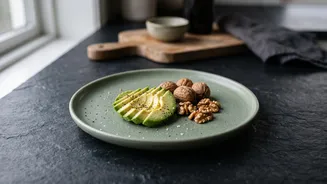
While you can't easily change your natural chronotype, you can take steps to better align your lifestyle with your internal clock. The key is consistency. Maintaining a regular sleep-wake schedule, even on weekends, is one of the most powerful signals you can send to your body. Experts also suggest that aligning meal times with your sleep schedule can be beneficial. Late-night eating, especially when combined with a late sleep schedule, has been linked to the highest metabolic risk. Focusing on a diet rich in fibre from fruits and nuts can also help nourish beneficial gut bacteria. By promoting a more stable circadian rhythm, you support the intricate daily cycles of your gut microbiome, which can help strengthen the gut barrier and reduce inflammation.