





Decoding 'Sustainable' Fashion
First, let's clarify what sustainable fashion truly means. It's a comprehensive approach to how clothes are made, used, and discarded. The term covers everything from the environmental impact of growing raw materials to the ethical treatment of garment
workers. Sustainable fashion considers the entire lifecycle of a product, aiming for a circular system rather than a linear one of 'make, use, waste'. This involves using eco-friendly materials, ensuring fair wages and safe conditions for workers, minimizing pollution, and designing clothes that are meant to last. It’s a move away from the high-speed, high-waste model of fast fashion toward something more considered and responsible.
The Mindful Purchase Rule
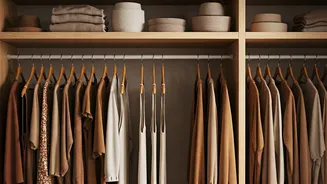
The most sustainable garment is the one you already own. But when you do need to buy something new, the first step is to shop with intention. Avoid impulse buys driven by fleeting trends. Instead, adopt the '30 wears test': before you buy an item, ask yourself if you can see yourself wearing it at least 30 times. This simple rule forces you to consider versatility and longevity over momentary desire. It’s the core principle of 'slow fashion', which prioritizes fewer, higher-quality pieces over a closet full of disposable clothing. This mindset shift not only reduces waste but also helps you cultivate a personal style that is truly timeless, rather than just trendy.
A Focus on Smart Fabrics
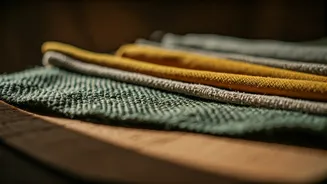
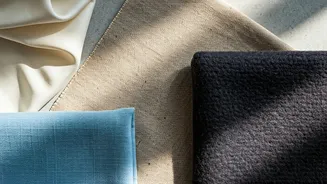
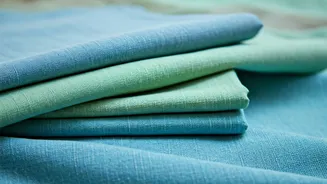
The material of your clothing is one of the most significant factors in its environmental footprint. Opting for natural, renewable fibres is a great start. Look for materials like organic cotton, which is grown without harmful pesticides, and linen, which comes from the resilient flax plant that requires minimal water. Tencel (also known as Lyocell) is another excellent choice; it's made from wood pulp in a closed-loop process that recycles water and solvents. While synthetic fabrics like polyester are often criticised, recycled polyester gives a second life to plastic waste and has a much lower carbon footprint than its virgin counterpart. Being a conscious fabric shopper is a powerful way to make your wardrobe greener.
Embrace the Pre-Loved and Rental Market
Not every 'new' addition to your wardrobe has to be brand new. The second-hand market is a treasure trove of unique, high-quality pieces waiting for a new home. Thrifting, swapping with friends, or exploring online resale platforms extends the life of clothing and dramatically reduces its environmental impact. Furthermore, the rise of fashion rental services offers a brilliant solution for special occasions. Instead of buying a statement outfit you might only wear once, you can rent it for a fraction of the cost. This gives you access to high-end, trend-forward pieces without the commitment or the waste, perfectly blending style with circular economy principles.
The Power of Indian Craftsmanship
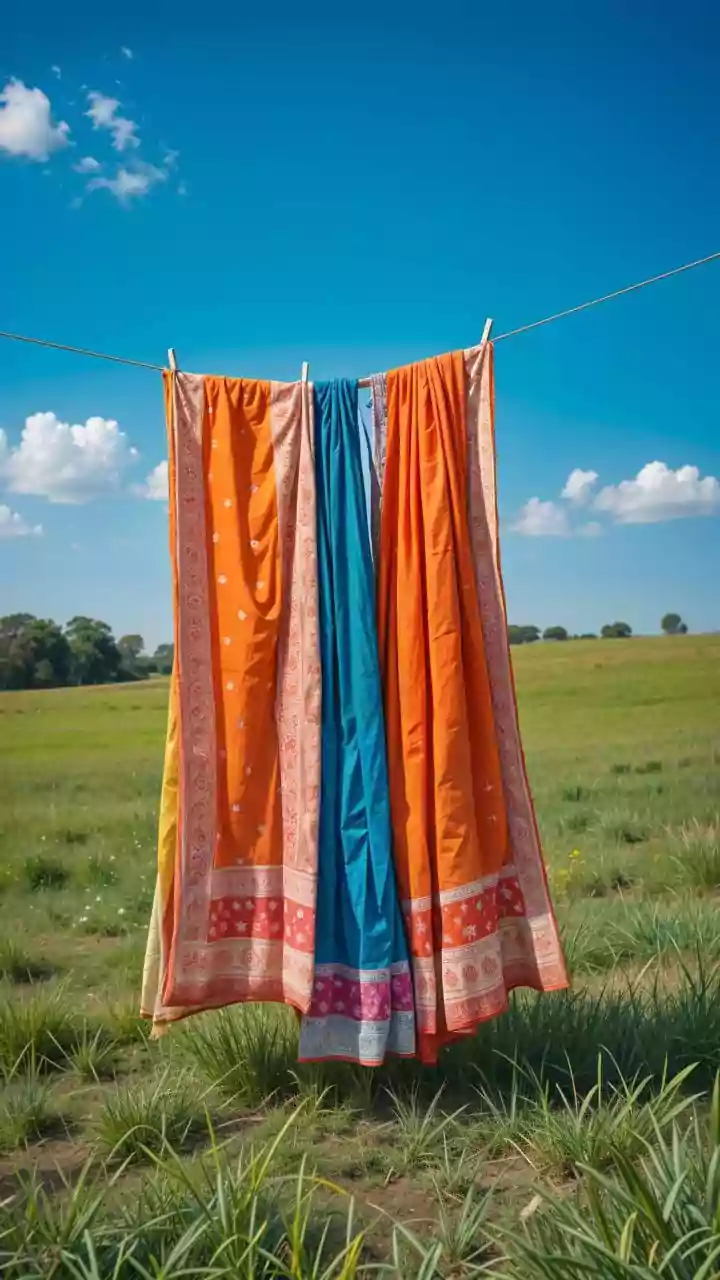
In India, sustainability is deeply woven into our textile heritage. Supporting local artisans and traditional crafts is a beautiful way to practice conscious fashion. Handloom fabrics like Khadi, Jamdani, and Ikat are not only stunning but are made using eco-friendly processes that have been perfected over generations. Brands that champion these crafts, like Grassroot by Anita Dongre or Okhai, are helping to preserve cultural traditions while providing fair livelihoods for artisan communities. Choosing a handwoven saree or a block-printed kurta is a statement of style that also celebrates slow, mindful production and empowers local economies.
Care, Repair, and Upcycle
Sustainability doesn't end when you bring a garment home; it extends to how you care for it. A significant portion of a garment's environmental impact comes from washing and drying. To make your clothes last longer, wash them less often, use cold water, and air dry whenever possible. Learning basic repair skills, like sewing on a button or mending a small tear, can dramatically extend the life of your favourite pieces. And for clothes that you've truly fallen out of love with or that are beyond simple repair, consider upcycling. An old dress can become a new skirt, and worn-out jeans can be turned into shorts or bags. This creative approach keeps textiles out of landfills and adds a personal touch to your style.