

France promises cobblestone streets, charming cafés, and authentic culture. But sometimes, the most famous destinations deliver long queues and endless souvenir shops instead. Here’s a look at which spots can feel overrun and how to find the magic.
Mont Saint-Michel's Grand Gauntlet
The
silhouette of Mont Saint-Michel rising from the sea is an unforgettable, almost mythical sight. As a UNESCO World Heritage site, its historical and architectural significance is immense. The problem isn't the abbey at the top; it's the journey to get there. The single main street, the Grande Rue, can feel less like a medieval pilgrimage and more like a modern-day theme park queue. This narrow lane is flanked wall-to-wall by shops selling tourist trinkets, overpriced snack bars, and bustling crowds that make it hard to appreciate the ancient stones beneath your feet. The 'genuine atmosphere' is often drowned out by commerce. For a better experience, try visiting in the off-season (winter) or, better yet, stay overnight on the island. After the day-trippers have departed, the empty, lamp-lit streets reclaim their quiet, historic mystique, offering a glimpse of the place's true character.
The Champs-Élysées Trade-Off
Once the epicentre of Parisian elegance and leisure, the Champs-Élysées is an avenue every visitor feels they must walk. While its scale and historical importance are undeniable, its modern incarnation often disappoints those seeking Parisian charm. Today, the famous boulevard is dominated by global flagship stores, car showrooms, and fast-food chains you could find in any major city. The classic French cafés are few and far between, often replaced by overpriced tourist spots. Instead of capturing the spirit of Paris, it can feel like a generic international high street. For a more authentic stroll, explore the side streets of the 8th arrondissement or wander through the nearby Jardin des Tuileries. For a truly Parisian shopping and café experience, head to the streets of Le Marais or Saint-Germain-des-Prés, where independent boutiques and local haunts still thrive.
Montmartre's Crowded Charm
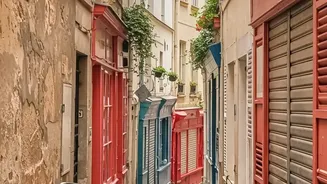
The hilltop neighbourhood of Montmartre, with its winding streets and artistic history, is the romantic vision of Paris many travellers hold dear. The Sacré-Cœur Basilica is breathtaking, and the views are spectacular. However, the heart of the area, Place du Tertre, can feel like a caricature of its former bohemian self. The square is perpetually packed with tourists and artists offering to sketch portraits in minutes. The surrounding streets are a maze of shops selling identical 'I Love Paris' t-shirts and miniature Eiffel Towers. It's a classic case of a place so loved for its authenticity that the authenticity itself has been commercialized. To find the real Montmartre, you must wander away from the main square. Explore the quieter side streets, find the hidden staircases, and visit the Musée de Montmartre to connect with its rich artistic past without the kitsch.
Carcassonne's Medieval Marketplace
The fortified city of Carcassonne is a fairy tale brought to life. Its massive double walls and 53 towers are a staggering sight, making it one of France's most popular landmarks outside of Paris. But once you step inside the historic Cité, the spell can sometimes break. The medieval-looking streets are lined with dozens of shops selling plastic swords, fantasy-themed souvenirs, and tourist-focused sweets and nougat. While perfectly fine for families with children, it can leave those seeking a genuine historical experience feeling like they've entered a medieval-themed shopping mall rather than a living city. For a more grounded sense of the region's history, explore the 'Bastide Saint-Louis', the lower town outside the fortress walls. It offers a look at everyday French life, with authentic markets and local restaurants.