







Beyond the Calorie Number
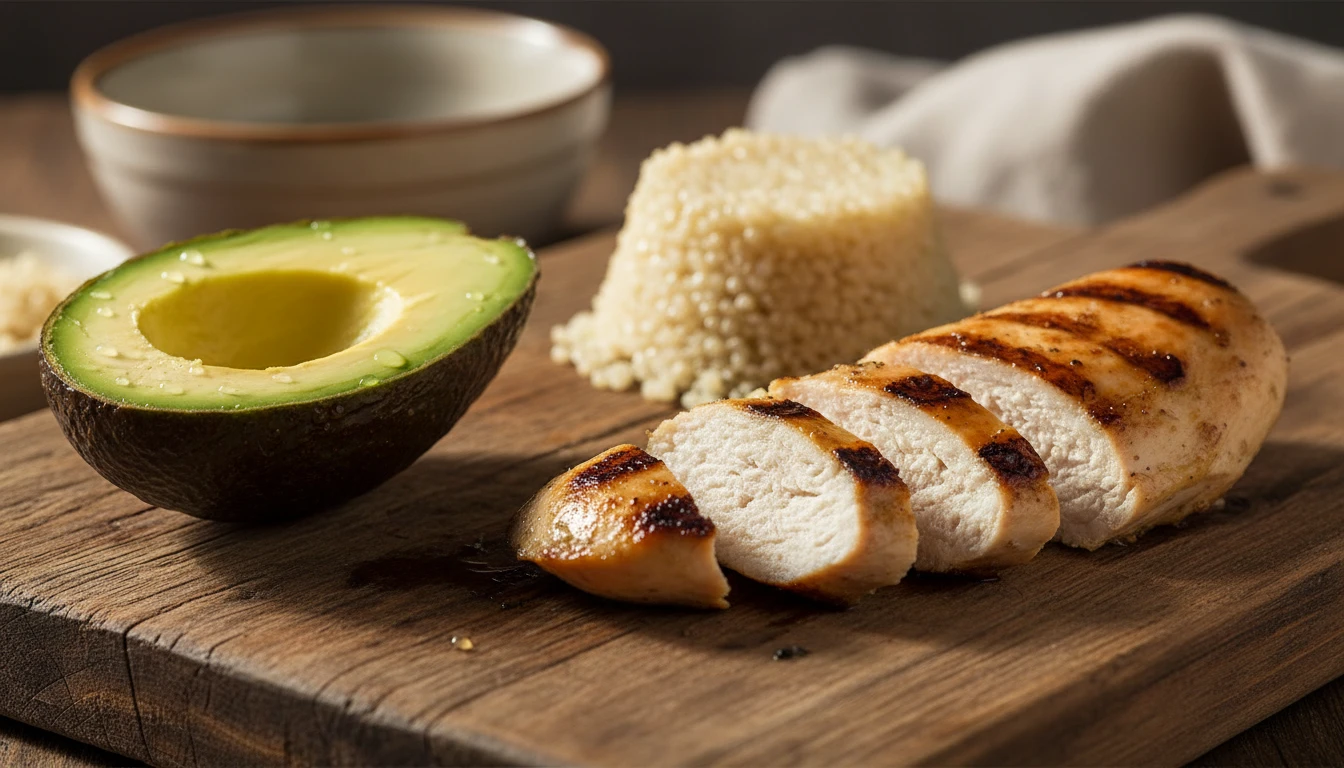
A calorie is a unit of energy, but how your body uses that energy depends entirely on its source. Thinking that 100 calories of avocado is the same as 100 calories of a sugary biscuit is a common mistake. The avocado provides healthy fats, fiber, and
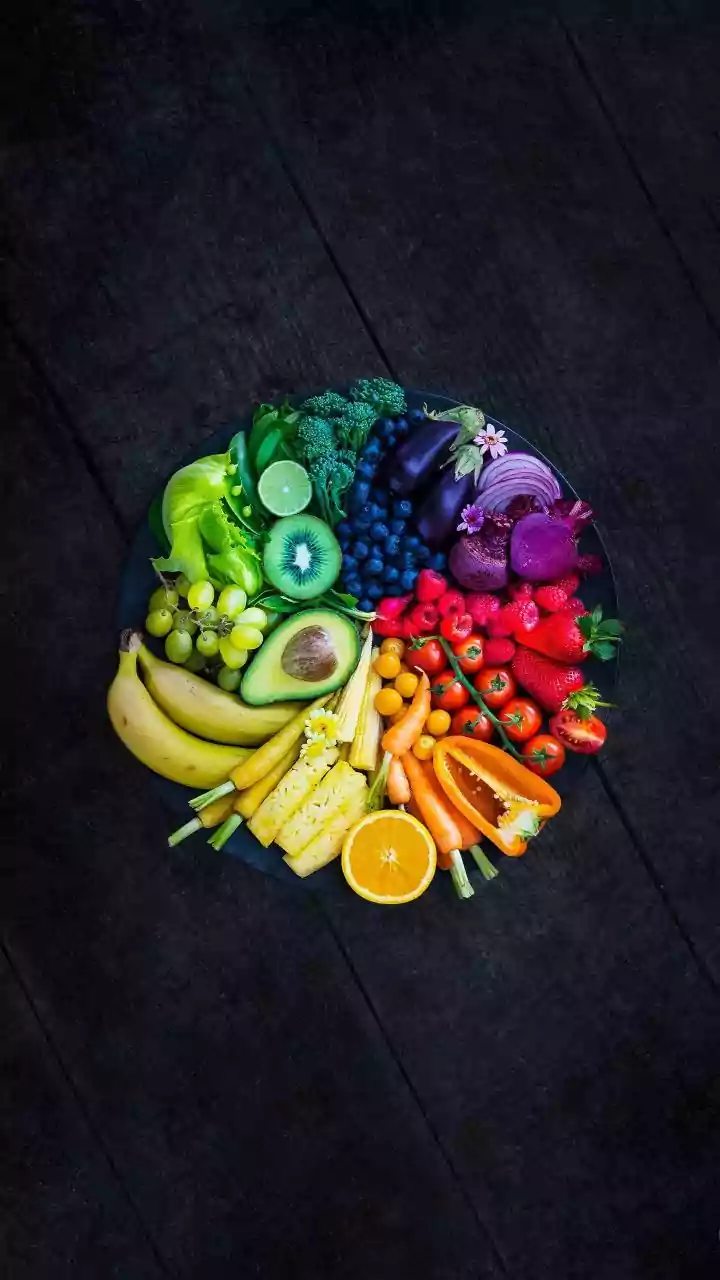
micronutrients that support your body's functions. The biscuit offers a quick hit of sugar and refined carbohydrates that can lead to an energy crash. While the energy unit is the same, the nutritional instructions they give your body are worlds apart. Focusing on nutrient density—the amount of beneficial nutrients per calorie—is a more effective way to approach food. Foods rich in vitamins, minerals, and fiber are considered nutrient-dense, while those high in sugar and unhealthy fats are calorie-dense but nutrient-poor.
The Power of Protein and Fiber
Two of the most important players in the ingredient game are protein and fiber. Both have a profound effect on satiety, the feeling of fullness and satisfaction after a meal. Protein has a high thermic effect of food (TEF), meaning your body burns more energy just to digest it. Up to 30% of the calories from protein are used during digestion, compared to just 5-10% for carbohydrates and 0-3% for fats. This means a high-protein meal can slightly boost your metabolism. Fiber, found in whole foods like fruits, vegetables, and legumes, slows down digestion. This not only helps prevent sharp spikes in blood sugar but also keeps you feeling full for longer, reducing the urge to snack on less healthy options between meals. A study showed that whole apples provided significantly more satiety than apple puree or juice of the same caloric value, largely due to the intact fiber slowing digestion.
The Ultra-Processed Problem
This brings us to the biggest difference between a reasonable-calorie snack that's good for you and one that isn't: processing. Ultra-processed foods are formulations of industrial ingredients, often containing substances you wouldn't use in home cooking, like preservatives, emulsifiers, and artificial colors and flavors. These foods are engineered to be hyper-palatable, making them easy to overeat. The process of refining ingredients often strips them of their natural fiber and nutrients. For example, a whole potato is nutrient-dense, but when it's processed into chips, it loses much of its fiber and is loaded with added fat and salt, making it calorie-dense but nutritionally empty. Studies have shown that diets high in ultra-processed foods are linked to higher calorie consumption and weight gain, even when meals are matched for macronutrients. These foods can disrupt gut health and hunger cues, making you feel less full and more likely to keep eating.
How to Read Beyond the Numbers
So, how can you make smarter choices? It starts with shifting your focus from the big number at the top of the nutrition label to the list at the bottom. Here are a few practical tips: 1. Scan the Ingredients List First: A shorter list with recognizable, whole-food ingredients is almost always a better choice. If it reads like a chemistry experiment, it’s likely ultra-processed. 2. Prioritize Fiber and Protein: Look for items that offer a good source of these two nutrients. They will provide sustained energy and keep you satisfied. A good rule of thumb is to look for at least 3-5 grams of fiber per serving. 3. Watch for Added Sugars and Refined Grains: Ingredients like high-fructose corn syrup, cane sugar, and white flour offer little nutritional value and can lead to blood sugar rollercoasters and cravings. 4. Choose Whole over Refined: Opt for whole-grain bread over white bread, a piece of fruit over fruit juice, and baked potatoes over fries. The less processed a food is, the more of its natural goodness it retains.