







The Science of a Comforting Scent
What makes the aroma of fenugreek so distinct and memorable? The secret lies in a potent chemical compound called sotolon. At different concentrations, sotolon works olfactory magic. In lower amounts, it evokes the sweet, warming scent of maple syrup
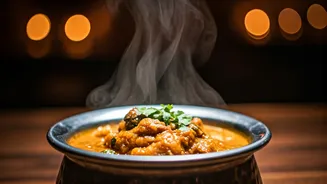
or caramel. In higher concentrations, it takes on the savoury, spicy character we associate with curry. This dual nature is what makes fenugreek so versatile. When the leaves are cooked, particularly when fried in ghee or oil, the heat releases these aromatic compounds, allowing them to bloom and infuse the entire dish with a rich, layered fragrance that is the very essence of comfort food. It’s a smell that doesn’t just hint at flavour; it promises warmth, satisfaction, and a connection to tradition.
Fresh Methi vs. Dried Kasuri Methi
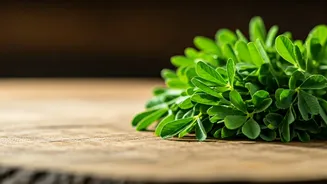
Fenugreek leaves come in two primary forms, and knowing when to use each is key to mastering their flavour. Fresh methi leaves are leafy and green, possessing a noticeable but pleasant bitterness and an herbaceous, earthy taste. They are best used as a vegetable, forming the base of dishes like Aloo Methi or stirred into dough for parathas and theplas. Dried fenugreek leaves, known as Kasuri Methi, offer a different experience. The drying process concentrates their flavour, reducing the fresh bitterness and amplifying the nutty, maple-like notes. Kasuri Methi is more potent and is typically used as a finishing herb. Crushing the dried leaves between your palms before sprinkling them over a curry in the final moments of cooking releases their intense, lingering aroma, adding a final layer of complexity to dishes like Butter Chicken or Dal Makhani.
The Heart of Countless Dishes
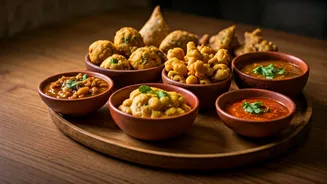
Fenugreek is not a background player; it is often the star that defines a dish. Think of the rustic simplicity of Aloo Methi, where potatoes and fenugreek leaves are sautéed with simple spices to create a comforting side dish. In Gujarat, Methi Thepla is a travel-friendly flatbread where the leaves are kneaded directly into the dough, ensuring their flavour lasts for days. For a richer affair, Methi Matar Malai combines sweet peas and fenugreek in a creamy, luxurious gravy. Even non-vegetarian dishes are elevated, with Methi Chicken being a classic example where the slightly bitter leaves perfectly balance the richness of the chicken and yogurt-based curry. From hearty khichdis to flavourful dals, fenugreek’s presence signals a dish made with care and depth.
Tips for Taming the Bitterness
The characteristic bitterness of fresh fenugreek leaves is part of their charm, but it can sometimes be overpowering. Luckily, there are simple kitchen tricks to mellow it out. The most common method is to sprinkle the chopped leaves with salt and let them sit for 15 to 30 minutes. This process draws out some of the bitter juices. Afterwards, you simply squeeze the leaves to remove the excess liquid before adding them to your dish. Another effective technique involves a quick soak in warm water with a splash of lemon juice. It's also wise to use only the leaves and avoid the thicker, more bitter stalks. By managing the bitterness, you allow the more complex, aromatic qualities of the fenugreek to shine through.