

The Monsoon Ventilation Dilemma
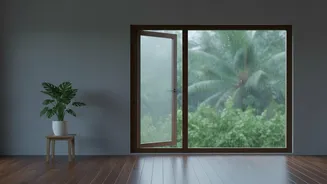
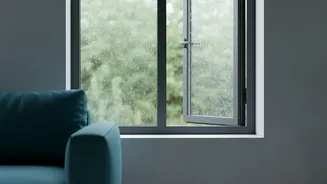
Opening your windows during the monsoon feels like a gamble. On one hand, a closed-off home quickly becomes a hub for stale air, cooking smells, and a build-up of indoor pollutants. On the other, opening them invites in the high humidity that defines
the season, making everything feel damp and sticky. This isn't just a matter of comfort; it's a critical decision for your home's health. When humidity levels indoors consistently stay above 60%, it creates the perfect breeding ground for mould, mildew, and dust mites. These unwanted guests can damage your walls, furniture, and clothes, and more importantly, they pose significant health risks.
Health Risks of a Humid Home
The musty smell of a damp home is the first sign of trouble. That odour is caused by mould and mildew, fungi that release spores into the air. For anyone with asthma or allergies, this is a major problem. Inhaling these spores can trigger coughing, sneezing, skin irritation, and severe respiratory distress. Even for those without pre-existing conditions, a humid environment can be taxing. The air feels heavier, forcing your body to work harder to breathe. Dust mites, another common indoor allergen, also multiply rapidly in damp conditions, particularly in bedding, carpets, and upholstery. Over time, constant exposure to this poor indoor air quality can lead to chronic fatigue, headaches, and persistent congestion.
The Best Times to Open Windows
The golden rule of monsoon ventilation is to open windows only when the air outside is drier or cooler than the air inside. This might seem rare, but there are strategic moments. The best opportunities are often in the early morning or late evening, when temperatures drop. Another ideal time is right after a heavy downpour has passed and the air feels fresher and cooler. Opening windows during these drier, cooler periods allows you to flush out stale indoor air without bringing in excessive moisture. Even just 30-60 minutes of ventilation can make a significant difference in reducing indoor pollutant levels and preventing the air from feeling heavy and stagnant.
When to Keep Everything Shut
There are definite times when you should resist the urge to ventilate. The most obvious is during a heavy downpour, as rain can enter your home and wind can damage window frames. Equally important is to keep windows closed during periods of extreme humidity, even if it isn't actively raining. If the air outside feels thick and sticky, opening the windows will only transfer that moisture indoors, making your home's humidity problem worse. In these situations, your home is better protected by being sealed. Rely on internal methods of air circulation and purification until the weather outside improves.
Smart Ventilation Strategies
Effective ventilation is more than just opening a window. To truly refresh your home, create a cross-breeze by opening windows on opposite sides of a room or the house. This creates a current that pushes stale air out and pulls fresh air in much more effectively. Furthermore, make full use of your exhaust fans. Run the kitchen fan while cooking to pull out steam and odours, and use the bathroom fan during and after showers to vent out moisture before it can spread. These fans are designed specifically to remove humid, polluted air directly to the outside, making them your best allies when opening windows isn't an option.
Allies in the Fight Against Dampness
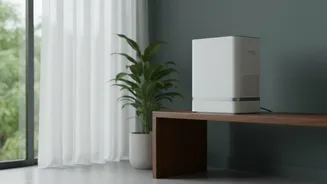
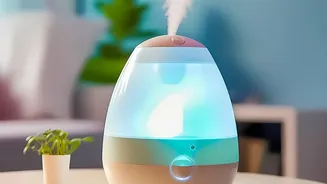
Sometimes, ventilation alone isn't enough. If you live in a particularly humid area, investing in a dehumidifier can be a game-changer. These appliances physically pull moisture from the air, helping to keep indoor humidity levels within the healthy 40-60% range. Simple, low-cost solutions can also help. Place moisture-absorbing materials like silica gel packs or bowls of coarse salt in wardrobes and damp corners. Ensure there are no water leaks in your roof or plumbing, as these create constant sources of moisture. Finally, whenever the sun makes an appearance, open your curtains and let the light in. Sunlight is a natural disinfectant that helps kill mould spores and dry out damp surfaces.