
From Household Staple to Artisanal Revival
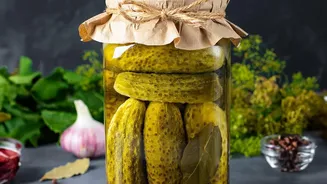
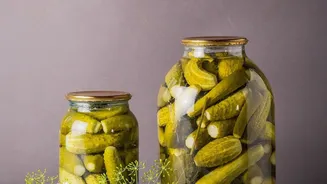
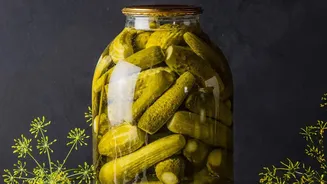
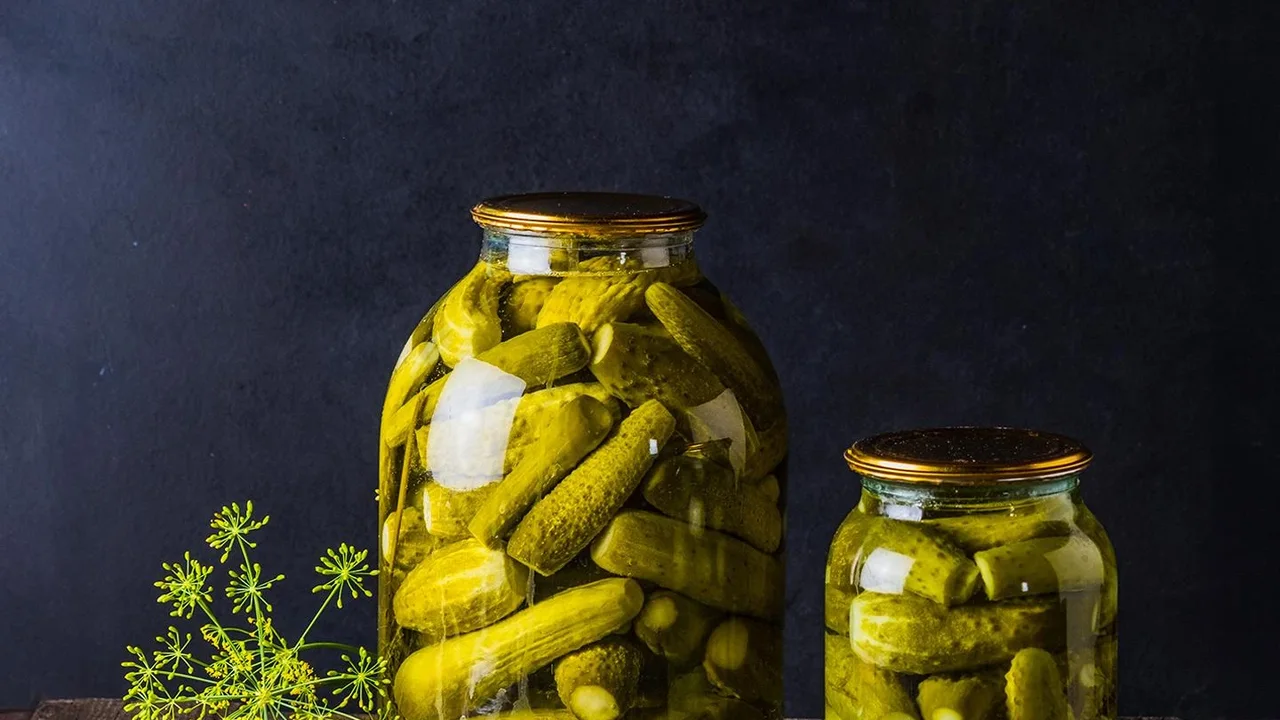
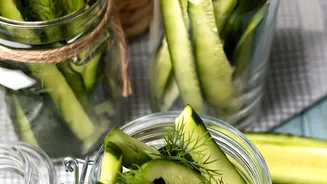
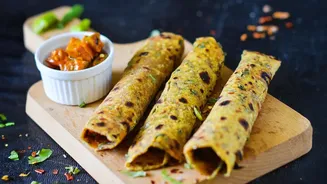
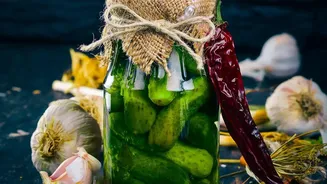
For generations, pickles, or achar, have been a cornerstone of Indian cuisine. More than just a condiment, they are a traditional method of preserving seasonal abundance, a flavour enhancer that can liven up any meal, and a tangible piece of family history.
However, with the rise of mass-produced goods, many of the unique, regional pickle varieties began to fade, replaced by standardised flavours. The good news? That trend is reversing. A growing desire for authenticity and nostalgia is fuelling a comeback. Consumers are increasingly seeking out the complex, robust tastes they remember from childhood, pushing back against generic options and creating a market for pickles that tell a story.
The Women-Led Pickle Economy
At the heart of this revival are countless home chefs and small-scale entrepreneurs, many of whom are women. They are turning treasured family recipes, passed down through generations, into thriving small businesses. What was once confined to the home kitchen is now finding a wider audience through social media, farmers' markets, and dedicated e-commerce sites. These producers often make their pickles in small batches, using sun-drying techniques and high-quality, locally sourced ingredients without artificial preservatives. This not only ensures a superior taste but also helps create economic independence and preserves culinary heritage that might otherwise be lost.
A Journey Through Regional Flavours
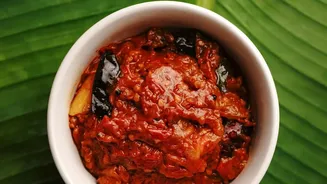
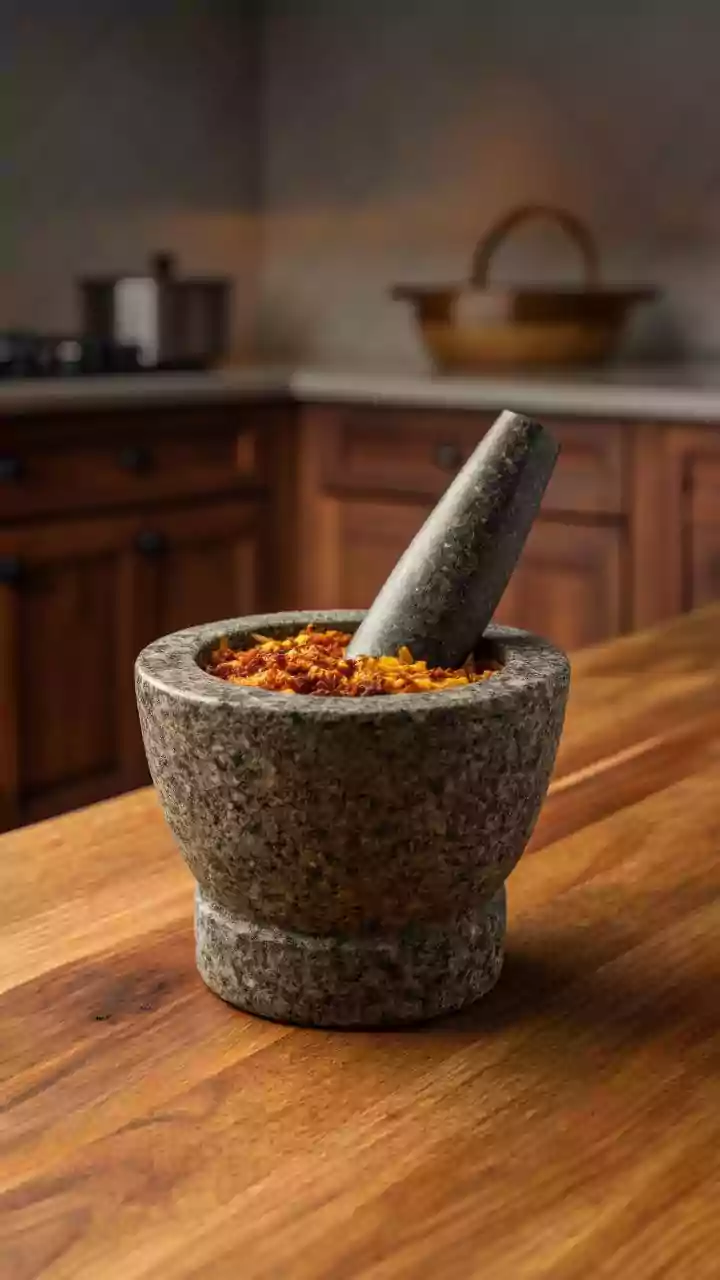
The sheer diversity of Indian pickles is staggering, with each region offering its own unique specialities based on local produce and distinct spice blends. In Andhra Pradesh, the fiery and iconic Avakaya mango pickle, made with mustard powder, is a staple. Gujarat offers the beloved Chhundo, a sweet and spicy grated mango pickle that provides a perfect balance of flavours. From the Northeast comes the unique Khorisa, a fermented bamboo shoot pickle, while coastal Goa and Kerala are famous for their seafood pickles, using prawns or fish preserved in vinegar and local spices. Rediscovering these varieties is like taking a culinary tour of India, one spoonful at a time.
More Than Just Taste: A Health-Conscious Choice
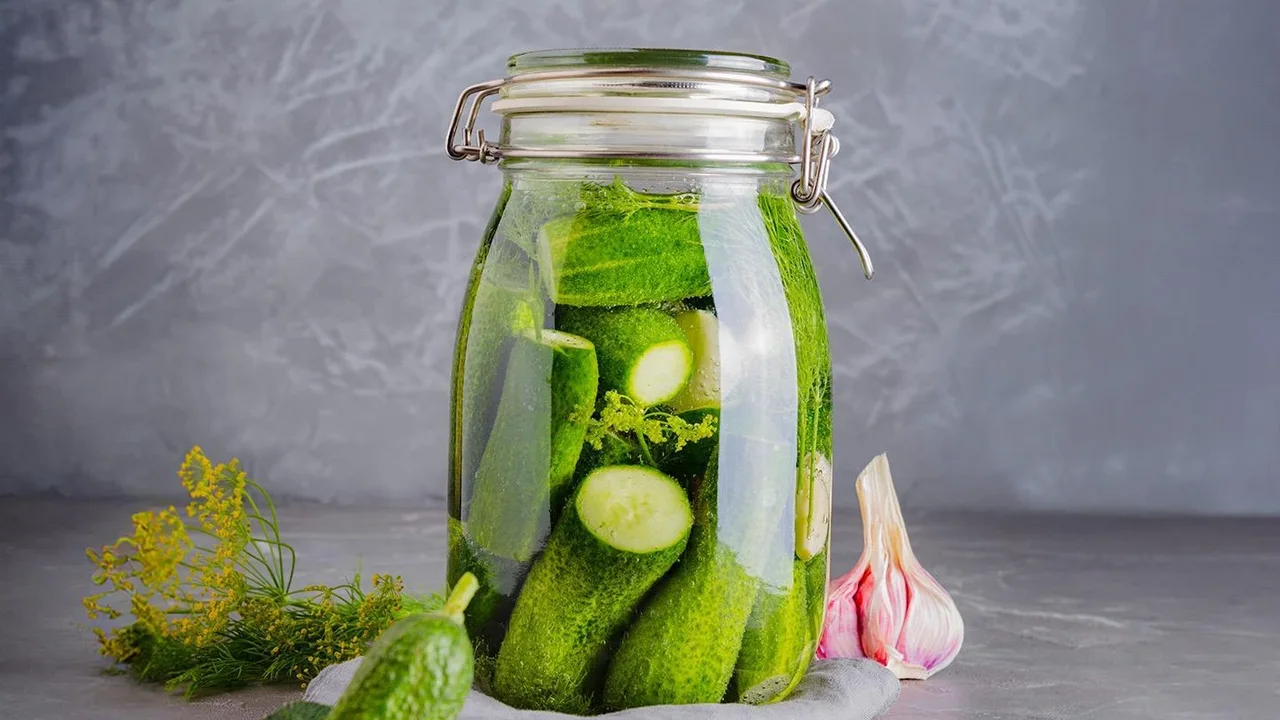
The turn towards traditional pickles also aligns with a growing global interest in gut health and fermented foods. Naturally fermented pickles are rich in probiotics, which are beneficial for digestion and immunity. Many of these heirloom recipes rely on natural preservatives like salt, oil, and spices such as turmeric, which has well-known anti-inflammatory properties. As consumers become more health-conscious and wary of chemical additives, the appeal of a clean-label, preservative-free pickle made with traditional methods has grown significantly. It's a return to food that is not only flavourful but also functional.