



The Dangers of Waterlogged Roots
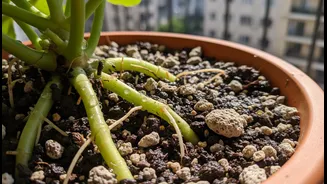
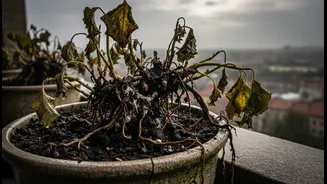
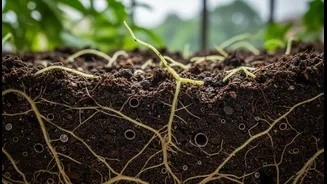
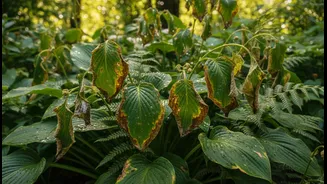
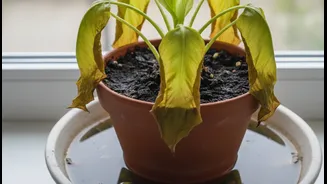
When soil remains saturated, it creates an environment where plant roots are deprived of oxygen. This suffocation is the primary cause of root rot, a fungal disease that turns healthy, firm, white roots into a brown, mushy mess. Diseased roots can no
longer absorb water or nutrients, leading to yellowing leaves, wilting (even when the soil is wet), and stunted growth. In advanced cases, you might even notice a foul, swampy smell coming from the pot. Constantly soggy soil also flushes away essential nutrients that your flowering plants need to thrive, leading to fewer blooms and lackluster growth.
The Ideal Soil for Excellent Drainage
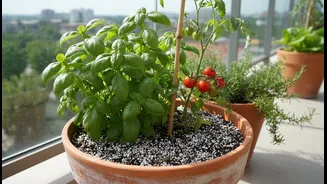
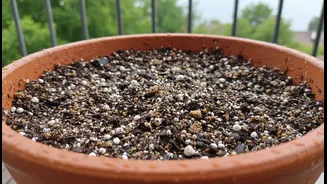
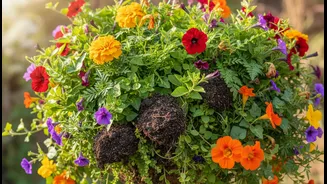
The foundation of a healthy hanging basket is its soil, which needs to strike a perfect balance between retaining moisture and draining excess water. Standard garden soil is too heavy and compacts easily, choking roots. A high-quality potting mix designed for containers is essential. The best mixes are often soilless, containing a blend of sphagnum peat moss or coco coir for moisture retention, and perlite or vermiculite. These lightweight volcanic minerals create air pockets in the soil, which improve both aeration and drainage, preventing the soil from becoming a dense, soggy block. Adding compost provides vital nutrients, creating a rich but light medium for your plants.
How to Rescue a Drowning Plant
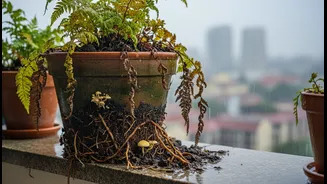
If you suspect one of your baskets is waterlogged, you need to act quickly. First, stop watering. Check the soil by pushing a finger about two inches deep; if it feels wet, let it be. If the basket is portable, move it out of the rain and into a sheltered spot to allow it to dry naturally. If the plant is severely wilted and the soil is soaked, you may need to perform an emergency rescue. Gently remove the plant from the basket and inspect the roots. Using clean scissors, trim away any roots that are black, brown, or mushy, leaving only the firm, white, healthy ones. Repot the plant with fresh, well-draining potting soil into a clean pot or after cleaning the original basket.
Tips for Long-Term Prevention
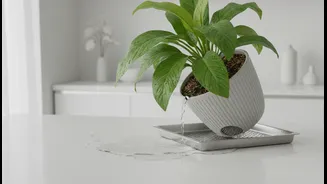
Preventing soggy soil starts with the right setup. Ensure your hanging basket has adequate drainage holes; without them, excess water has nowhere to go. If you're using a decorative pot without holes, keep the plant in its plastic nursery pot (which has holes) and place that inside the decorative one, removing it to water. When planting, consider adding a liner made of coir or another natural material, which helps manage drainage. Be mindful of your watering habits. Instead of watering on a strict schedule, check the basket's weight or soil moisture daily. Water thoroughly until it runs from the bottom, but then allow the soil to partially dry out before watering again. This 'half-full' approach ensures roots get moisture while also having access to the oxygen they need to breathe.
Addressing Root-Bound Baskets
Sometimes, the problem isn't just soggy soil but a root-bound plant. As plants grow through the season, their roots can fill the entire basket, forming a tight, tangled mass. Once a plant is root-bound, water and nutrients can't penetrate the dense root ball, often running straight through the basket without being absorbed. This can mimic the signs of underwatering, even if you are watering regularly. The solution is to repot the plant into a larger container with fresh soil. When you do this, gently break apart the bottom of the root ball with your hands to encourage the roots to grow outward into the new soil.