

From Showroom to Storyboard
For years, the aspiration for many was a home that looked like it was lifted from a catalogue—impersonal, uniform, and flawlessly neutral. The goal was a kind of polished perfection that signalled status but revealed little personality. Today, that ideal
is being replaced by something far more authentic. Urban Indian homeowners, particularly millennials and Gen Z, are increasingly viewing their homes not as static displays, but as evolving storyboards. Every object, from a hand-me-down armchair to a piece of art discovered on Instagram, is chosen to tell a story. This shift is less about achieving a specific 'look' and more about creating a feeling—a space that is a true extension of one's identity, travels, and values.
The Rise of Curated Abundance
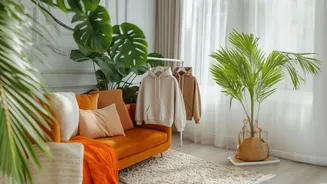
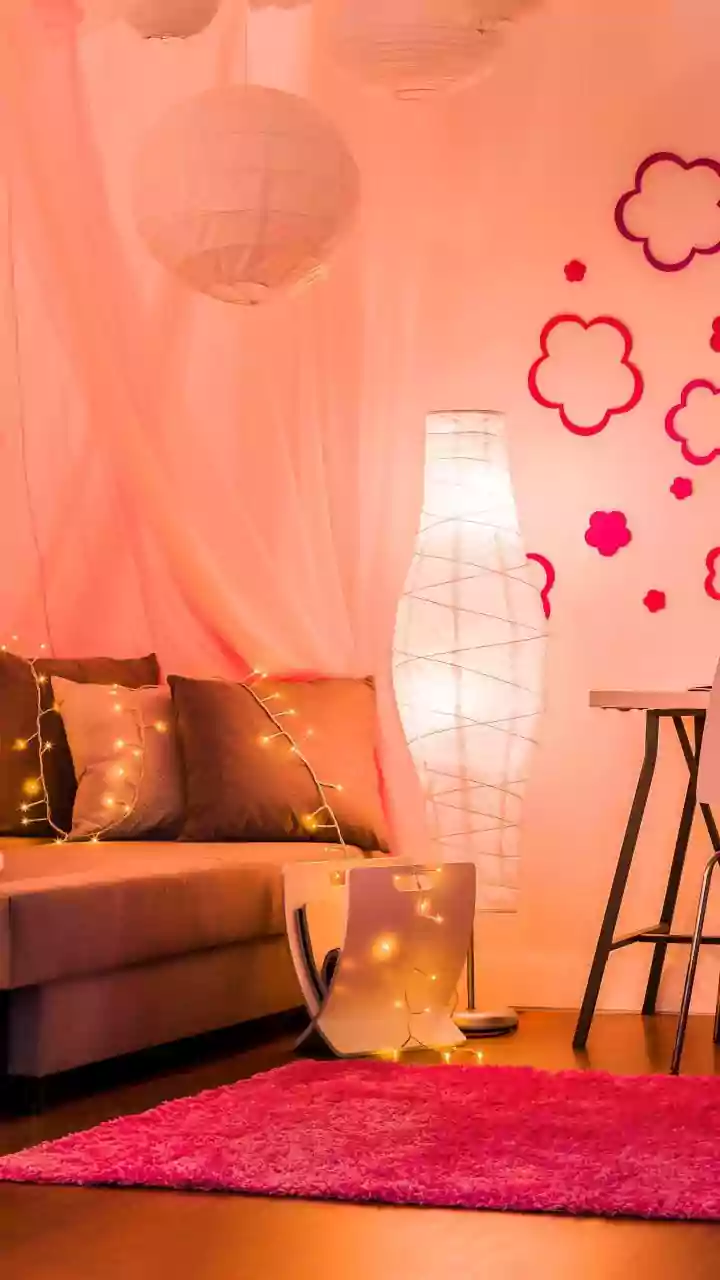
While minimalism had its moment, many are now embracing a more layered and expressive aesthetic. This isn't about clutter, but about curated abundance, sometimes called 'maximalism'. It's a philosophy that makes room for a mix of patterns, colours, and textures. Think a sleek, modern sofa adorned with vibrant, block-printed cushions, or a contemporary art print hanging next to a vintage brass lamp. This style feels particularly at home in India, where life is already a rich tapestry of the old and the new. Homeowners are learning the art of the edit, choosing pieces that are meaningful and create a joyful, high-energy space rather than one that feels chaotic or overcrowded. The result is a home that feels deeply personal and alive with character.
A Modern Take on 'Made in India'
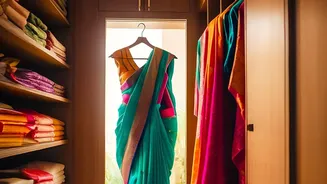
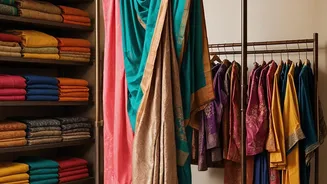
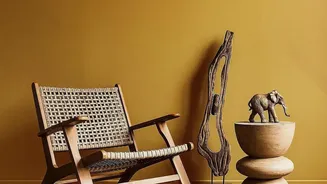
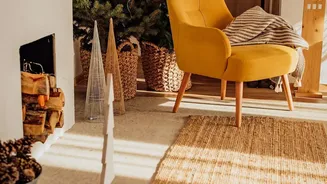
One of the most significant trends is the renewed appreciation for local craftsmanship. There is a growing movement to integrate traditional Indian arts into modern interiors in a way that feels fresh and relevant. This isn't about creating a museum-like ethnic look, but about celebrating the soulfulness of handmade objects. Artisanal pieces like handwoven rugs, terracotta pottery, detailed wooden carvings, and cane furniture are being celebrated for their imperfect, human touch. Designers and homeowners are finding innovative ways to blend these elements into contemporary settings, creating a style that is both globally aware and distinctly Indian. This trend not only adds a unique character to homes but also supports artisan communities across the country.
Whispers of Japandi and Biophilia
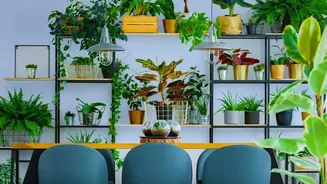
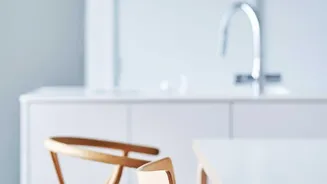
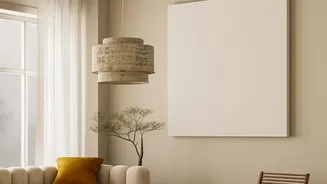
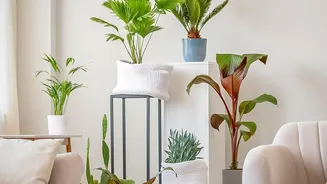
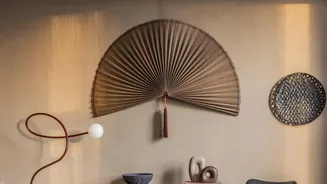
Alongside bold colours and patterns, two quieter philosophies are also shaping urban homes: Japandi and biophilia. Japandi, a hybrid of Japanese minimalism and Scandinavian warmth, is gaining popularity for its focus on natural materials, muted colour palettes, and functional, uncluttered spaces. It resonates with those seeking a calm, serene retreat from hectic city life. This style works beautifully in the Indian context, aligning with our own traditions of craftsmanship and the use of natural materials like teak and stone. Biophilic design, the practice of connecting our homes with nature, is also on the rise. More than just adding a few potted plants, it's about integrating natural light, wood and stone textures, and green elements to create spaces that improve well-being. In concrete urban jungles, creating this connection to nature has become a form of everyday luxury.