

Mistake 1: Skipping the Post-Walk Paw Wash
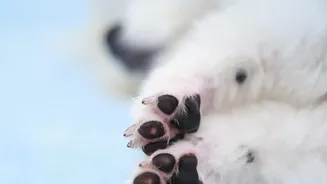
One of the most frequent and risky mistakes is bringing your dog inside without thoroughly cleaning their paws. Paws are the first point of contact with muddy, waterlogged streets that can be contaminated with bacteria and dirt. This grime, if left unattended,
can lead to painful paw infections, fungal growth between the toes, and dermatitis. The simple act of washing and, crucially, drying their paws after every single walk is your first line of defence. Use lukewarm water and a soft cloth or a gentle pet-safe cleanser, and pay special attention to the area between the paw pads where moisture loves to hide. Trimming the fur around the paws can also help prevent mud and water from clinging on.
Mistake 2: Letting Your Dog Drink from Puddles
A seemingly innocent sip from a puddle can have severe consequences. During the monsoon, stagnant water is a serious hazard, often contaminated with the urine of rodents and other animals, which can carry the dangerous Leptospira bacteria. This can cause Leptospirosis, a severe and potentially fatal disease that affects the kidneys and liver and can even be transmitted to humans. Symptoms can include fever, vomiting, and lethargy. To prevent this, always carry fresh, clean drinking water for your dog on walks and actively discourage them from drinking from any standing water sources, no matter how thirsty they seem.
Mistake 3: Not Drying Them Thoroughly
A quick towel rub is often not enough, especially for dogs with long or thick double coats. Trapped moisture in a dog's fur, combined with high humidity, creates a warm, damp microenvironment against the skin—the perfect breeding ground for fungal and bacterial infections. This can lead to painful hot spots (acute moist dermatitis), which are inflamed, oozing lesions that can appear and spread rapidly. A persistent musty smell is also a common sign of a yeast infection. After every wet walk, use an absorbent towel and consider a pet-safe hairdryer on a low, cool setting to ensure the undercoat is completely dry, paying extra attention to the belly, armpits, and skin folds.
Mistake 4: Ignoring Their Ears
The ears are another area where moisture can get trapped, especially in floppy-eared breeds. The warm, dark, and damp environment of the ear canal is highly susceptible to yeast and bacterial overgrowth, leading to painful and persistent ear infections. Signs of an ear infection include head shaking, scratching at the ear, a bad odour, or a brown, waxy discharge. After a walk in the rain, make it a habit to gently wipe the inside of your dog’s ear flaps with a dry, soft cloth. This simple step helps remove excess moisture and can prevent infections from taking hold.
Mistake 5: Neglecting Parasite Prevention
The warm, humid conditions of the monsoon are ideal for parasites like ticks and fleas to thrive. These pests aren't just an itchy nuisance; they can transmit serious blood-borne diseases like tick fever, which can be fatal if not caught early. Infestations peak during these months. It's crucial to be extra vigilant with your dog’s parasite prevention schedule as advised by your vet. Additionally, perform daily checks for ticks, especially in areas like the ears, neck, armpits, and between the toes, after they have been outside. Regular grooming and keeping their bedding clean also helps keep these pests at bay.