






The Comfort Trap: Why We Trust the Chair
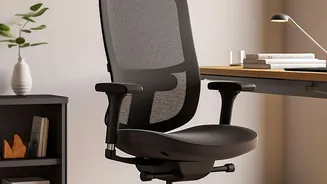
An ergonomic chair feels like a wise investment. It promises to protect our posture, reduce back pain, and make eight hours of sitting more manageable. To be clear, a good chair does offer real benefits. It provides essential support for the natural curve
of your spine and promotes proper alignment while you are seated. This static support helps distribute your weight evenly, reducing strain on any single area. However, this comfort creates a dangerous illusion: that as long as we are sitting 'correctly,' we are safe from the negative effects of being sedentary. The problem isn't just poor posture; it's the lack of movement itself.
The Body in Idle: What Happens When We Sit Too Long
Our bodies are designed for movement. When you remain in a fixed position for extended periods, several negative processes begin. Your metabolism slows down, and muscles release fewer of the molecules that help process fats and sugars. Blood can pool in your legs, which may lead to varicose veins or, in rare but serious cases, deep vein thrombosis (DVT). Your hip flexor muscles shorten, leading to tightness and potential joint problems, while the muscles in your legs and glutes can weaken from disuse. Even with a great chair, this prolonged stillness puts stress on your spine and can contribute to premature degeneration of the discs, leading to chronic pain.
From Static to Dynamic: The Power of Movement
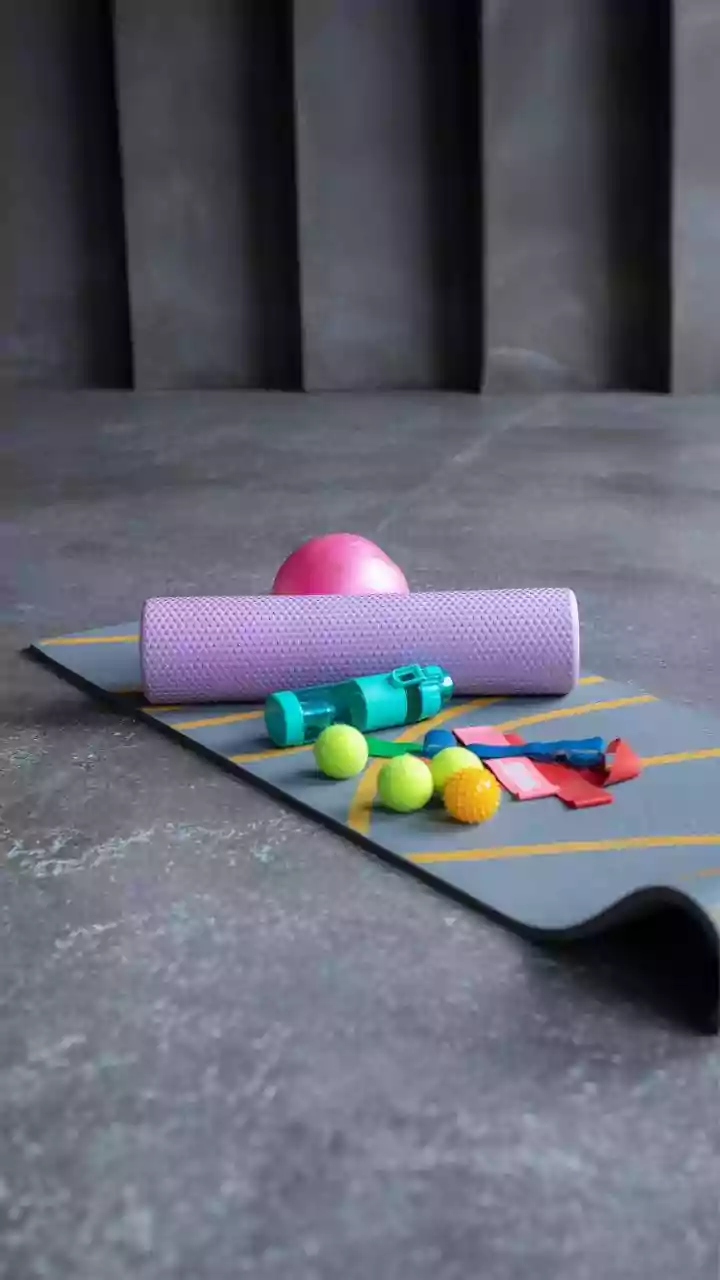
The key to countering a sedentary workday is not to find the perfect static position, but to frequently break it with dynamic movement. Experts recommend interrupting your sitting every 30 to 60 minutes. The goal isn't a full workout, but a 'movement snack'—a short, 1-to-5-minute break to change your position and restore blood flow. This simple act of getting up, stretching, or walking around prevents your muscles from locking into a single pattern and keeps your circulatory system active. This frequent change is more impactful for overall health than a single exercise session at the end of the day.
Easy 'Movement Snacks' to Add to Your Day
Integrating movement doesn't have to disrupt your workflow. The key is to make it easy and accessible. Try these simple 'deskercises':
- Seated Spinal Twist: Gently twist your torso from side to side to improve spinal mobility.
- Shoulder Rolls: Roll your shoulders forwards and backwards to release tension in your neck and upper back.
- Leg Extensions: While seated, extend one leg at a time and hold for a few seconds to activate your quadriceps.
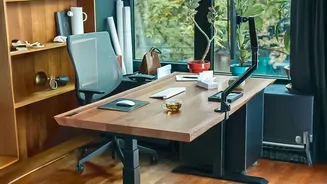
- Stand Up for Calls: Make it a rule to stand up and walk around during phone or video calls.
- The 'Long Route': When you need water or a document, take a slightly longer path to get a few extra steps in.
- Posture Reset: Every so often, simply sit up straight, lift your chest, drop your shoulders, and lengthen your spine for 10 seconds.
Building a Lasting Habit
The hardest part is remembering to move. Technology can be your ally here. Set a recurring timer or use a smartwatch feature that reminds you to stand every hour. Another effective strategy is habit stacking: link a new movement habit to an existing one. For example, after you finish a big task or send an important email, stand up and stretch. Or, every time you refill your water bottle, do a few calf raises. By finding small, repeatable triggers throughout your day, you transform the idea of 'moving more' from a chore into an automatic part of your routine, ensuring your chair supports you, but doesn't define your workday.