







Monstera Deliciosa: The Tropical Icon
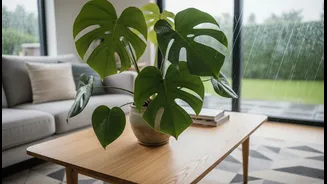
Often called the 'Swiss Cheese Plant', Monstera loves the high humidity that mimics its native rainforest habitat. The monsoon moisture encourages it to produce larger, more fenestrated (split) leaves. Place it in a spot with bright, indirect light. While
it enjoys the damp air, ensure its soil is well-draining to prevent root rot, a common issue during this season. To keep its large leaves healthy and dust-free, gently wipe them with a damp cloth every few weeks, allowing them to breathe freely.
Ferns: The Quintessential Humidity Lovers
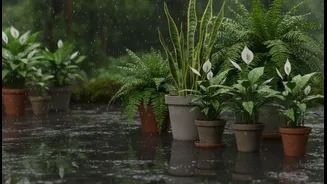
Ferns, especially varieties like the Boston Fern, are practically synonymous with humidity. Their delicate, arching fronds thrive in the moisture-rich air of the Indian monsoon, making them look lusher and greener. They are perfect for bathrooms or shaded balconies where they can soak up the damp atmosphere. Keep their soil consistently moist but not waterlogged. Good air circulation is also key to preventing fungal spots on their leaves, which can be a risk in overly stagnant, humid conditions.
Peace Lily: Elegant and Air-Purifying
The Peace Lily (Spathiphyllum) is another plant that flourishes in high humidity. The monsoon season often encourages these plants to produce their elegant white spathes, or flowers. They are known for being excellent air purifiers and visibly droop when they need water, making them great for beginner plant parents. They do well in the humid conditions of coastal cities and prefer bright, indirect light. Ensure the pot has good drainage, as they are susceptible to root rot if left in standing water.
Hibiscus: The Monsoon Bloomer
If you're looking for flowers, the Hibiscus is a star performer during the rainy season. While it blooms for much of the year, the increased humidity and consistent moisture of the monsoon encourage even more vigorous flowering. These plants love sunlight but appreciate well-draining soil to handle heavy rains. Pruning the plant in the early monsoon can help shape it and promote a fresh flush of its large, colourful blooms. Keep an eye out for common monsoon pests like mealybugs.
Money Plant: The Fast-Growing Vine
India's most beloved and resilient houseplant, the Money Plant (Epipremnum aureum or Pothos), goes into a growth spurt during the monsoon. The humidity helps its aerial roots anchor better and encourages its trailing vines to grow longer and faster. It’s incredibly versatile, growing well in soil or just water. During this season, you'll find its heart-shaped leaves look particularly glossy and vibrant. It is very tolerant of different light conditions, making it suitable for almost any room in the house.
Jasmine: Fragrance in the Rain
The scent of Jasmine (Mogra or Chameli) mixed with the smell of rain is a classic monsoon experience. These fragrant flowering vines adore humidity, which helps them produce an abundance of their sweet-smelling blooms. Varieties like Jasminum sambac are especially popular in Indian gardens and thrive during the rainy season. They require well-drained soil and a spot with partial to full sunlight to truly flourish. Their intoxicating fragrance makes them a delightful addition to any balcony or garden.
Areca Palm: A Tropical Touch
The Areca Palm brings a lush, tropical feel to any space and is perfectly suited for humid weather. It acts as a natural humidifier, adding moisture to the air. During the monsoon, when humidity is already high, these plants are in their element. They prefer bright, indirect sunlight and consistently moist soil. Their feathery fronds add an element of elegance and can grow quite tall, making them a great statement plant for a living room corner or a covered patio.