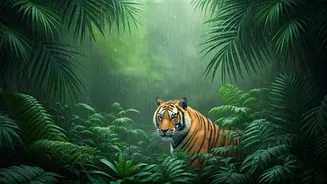



The Allure of the Monsoon Safari
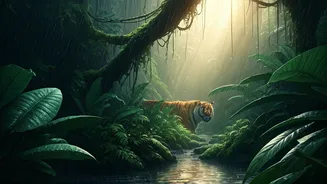
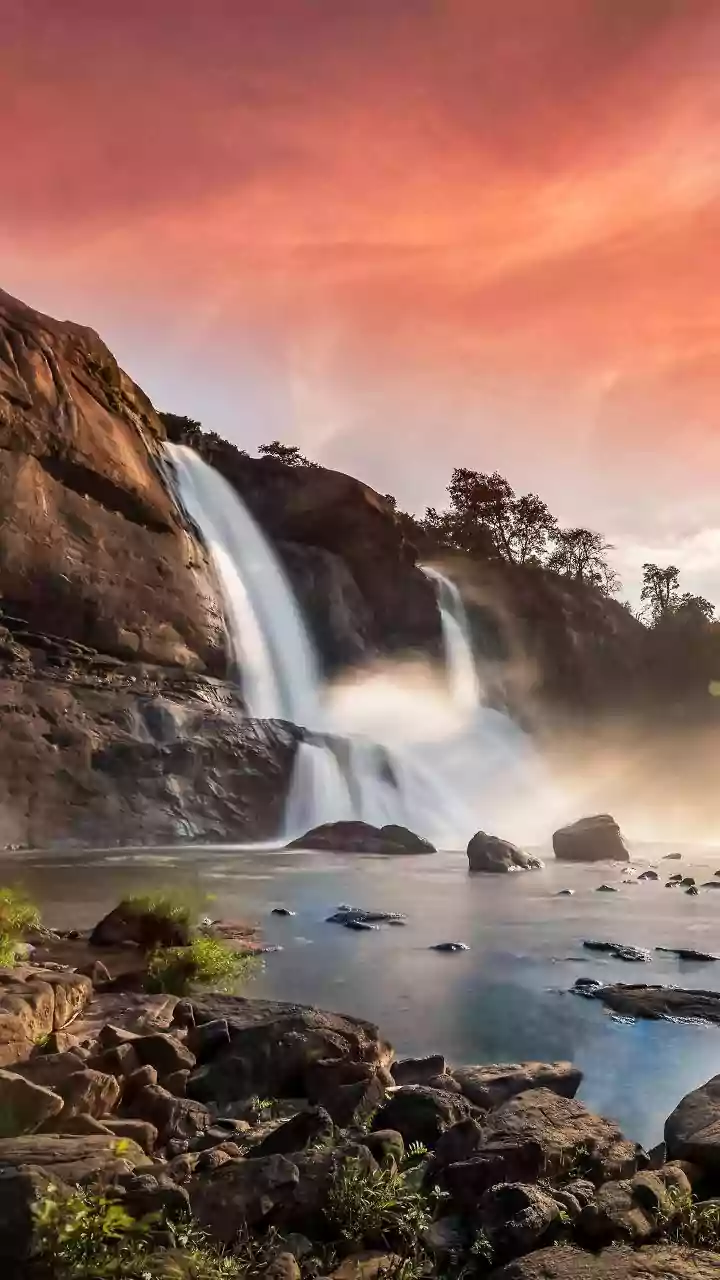
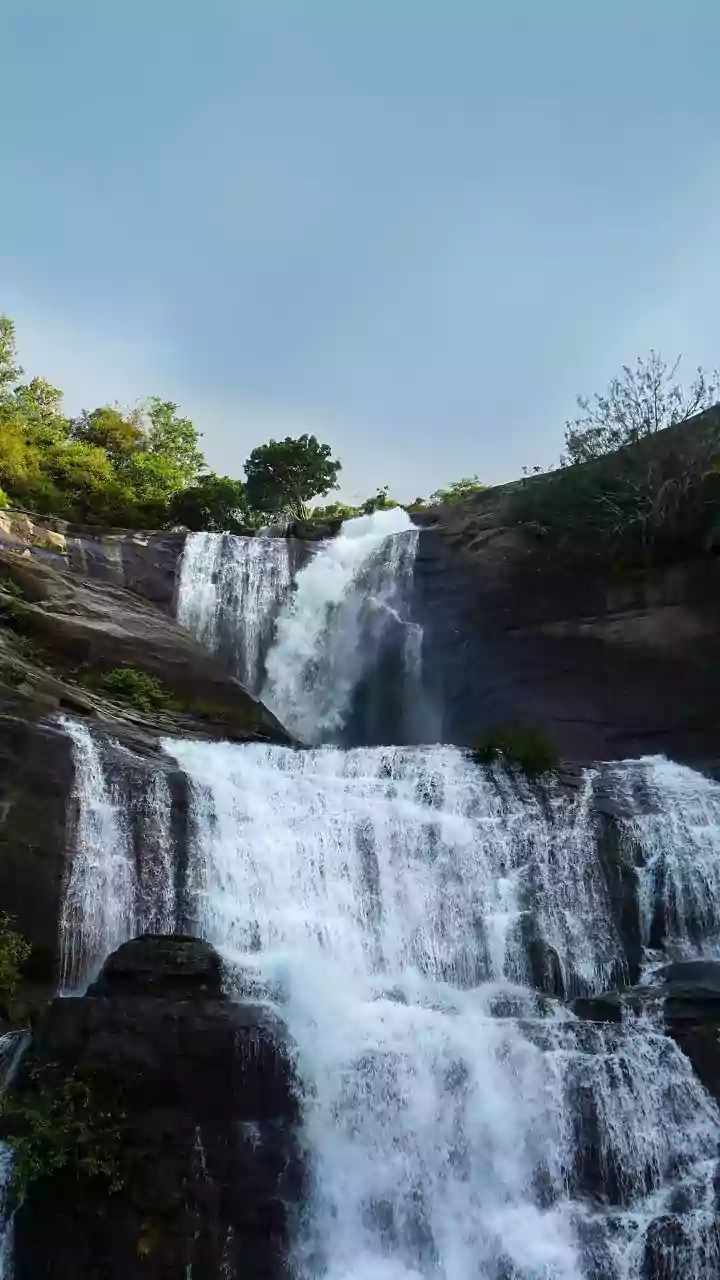
While many national parks close for the monsoon, a select few remain open, revealing a side of the wilderness that summer visitors never see. The rains wash the dust from the leaves, fill the streams, and trigger a flurry of activity. It’s the prime time
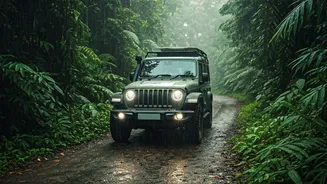
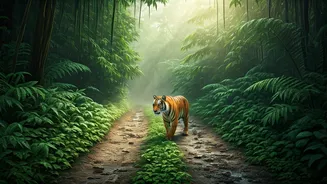
for amphibians and reptiles, and many larger animals, relieved from the oppressive heat, are more active during the day. The crowds thin out, the forest is lush and impossibly green, and the entire experience feels more personal and adventurous. Forget the bumpy, dusty jeep rides of the dry season; a monsoon safari is about walking silent trails, listening to the chorus of frogs, and spotting creatures that thrive in the wet.
Periyar Tiger Reserve, Kerala
Periyar is a perfect monsoon destination. While tiger sightings are rare here at the best of times, the park is a haven for elephants, who can often be seen bathing and playing in the expansive Periyar Lake. The best way to experience the park is via a boat safari, which offers a unique vantage point without disturbing the wildlife. The rains bring out a spectacular array of frogs, including the colourful Malabar gliding frog. Birdwatchers are also in for a treat, with sightings of the Malabar grey hornbill and various kingfishers. The trails, though damp and populated with harmless leeches (easily thwarted with leech socks), offer a chance to spot sambar deer, gaur (Indian bison), and the elusive Nilgiri langur.
Mhadei Wildlife Sanctuary, Goa
Goa is not just about beaches, especially during the monsoon. The Mhadei Wildlife Sanctuary in the Western Ghats becomes a biodiversity hotspot, particularly known for its herpetofauna. This is the realm of the majestic King Cobra, and while a sighting is both rare and requires extreme caution with a knowledgeable guide, the forest is alive with other reptiles and amphibians. The sanctuary is also one of the few places in the world to spot the Indian purple frog, a bizarre, blobfish-like amphibian that emerges from underground for just a few weeks to mate. Trekking here offers chances to see the Malabar pit viper, countless colourful insects, and perhaps even a glimpse of the shy barking deer amidst the dense, dripping foliage.
Jim Corbett National Park (Jhirna & Dhela Zones), Uttarakhand
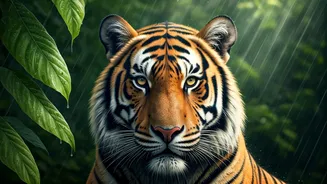
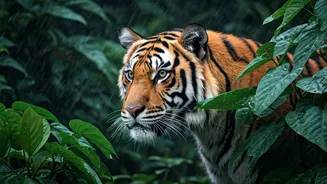
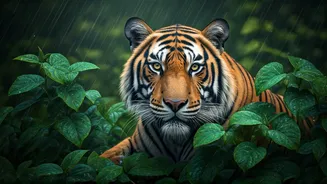
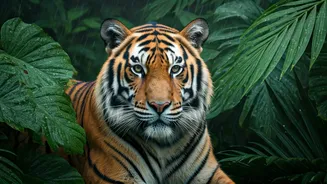
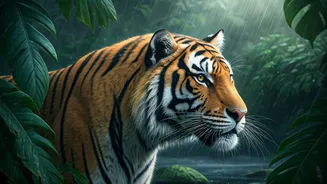
Most of Corbett National Park shuts down, but the Jhirna and Dhela zones typically remain open for tourism, offering a different flavour of the Himalayan foothills. The Ramganga river swells, and the landscape turns into a verdant paradise. While the dense foliage can make spotting tigers more challenging, the park’s other residents are on full display. Herds of elephants enjoy the cooler weather, and spotted deer, sambar, and wild boar are frequently seen. The birdlife is exceptional. The monsoon is also a great time to see various species of snakes and lizards that become active in the humid conditions. The safari experience is less about chasing big cats and more about immersing yourself in the rejuvenated ecosystem.
Essential Tips for Monsoon Treks
A monsoon jungle adventure requires preparation. First, invest in good waterproof gear: a reliable rain jacket, waterproof hiking boots with excellent grip, and a dry bag for your electronics and valuables. Leech socks are non-negotiable in many of these forests; they are simple cloth guards that prevent leeches from getting to your skin. Always hire a local guide. They know the terrain, can spot wildlife you would miss, and are trained to handle encounters with potentially dangerous animals like snakes or elephants. Check park opening times and regulations before you travel, as they can change based on weather conditions. Finally, pack insect repellent and be prepared for a damp, muddy, and utterly magical experience.