


The Backlash Against Perfection
For years, the ideal home, as seen on social media and in stores, was one of flawless uniformity. Matching furniture sets, perfectly smooth surfaces, and a polished, almost sterile, finish became the standard. This 'fast decorating' culture offered convenience
but often resulted in spaces that felt impersonal and interchangeable. Consumers are now experiencing what can be called 'sameness fatigue'. The very perfection that was once sought after now feels cold and lacking in character. In response, there's a growing desire for authenticity and personality in our living spaces, sparking a rejection of the one-size-fits-all model of interior design.
The Beauty of the 'Imperfect'
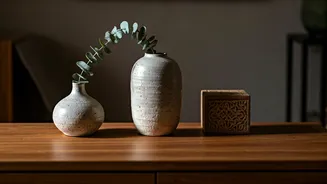
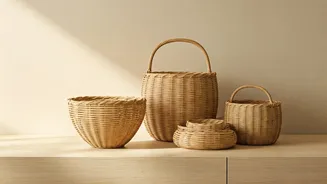
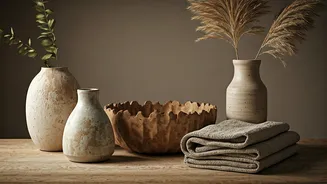
Enter the world of artisanal decor. This trend champions items that are handcrafted, one-of-a-kind, and bear the marks of their creator. It’s a philosophy deeply connected to the Japanese concept of 'Wabi-Sabi', which finds beauty in imperfection, impermanence, and authenticity. Think of a ceramic vase with a slightly uneven glaze, a hand-carved wooden bowl with visible tool marks, or a handwoven rug with subtle variations in its pattern. These are not flaws; they are features that tell a story of human touch. This approach moves beyond aesthetics, offering an emotional connection and a sense of calm that machine-made perfection cannot replicate.
Slow Decor: A Story in Every Object
This movement is part of a broader trend known as 'slow decor'. Much like the slow food movement, it prioritizes quality over quantity, sustainability, and intentionality. Instead of a weekend makeover, a slow decorator builds their home over time, collecting meaningful pieces that reflect their life's journey. Each handcrafted item comes with a narrative—the story of the artisan who made it, the tradition behind the craft, and the journey it took to get to your home. This focus on storytelling and provenance is a direct response to the anonymity of mass production. By choosing artisanal pieces, consumers are also supporting local craftspeople and small businesses, promoting fair and ethical production.
How to Embrace the Artisanal Vibe
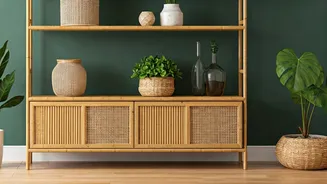
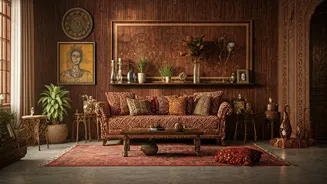
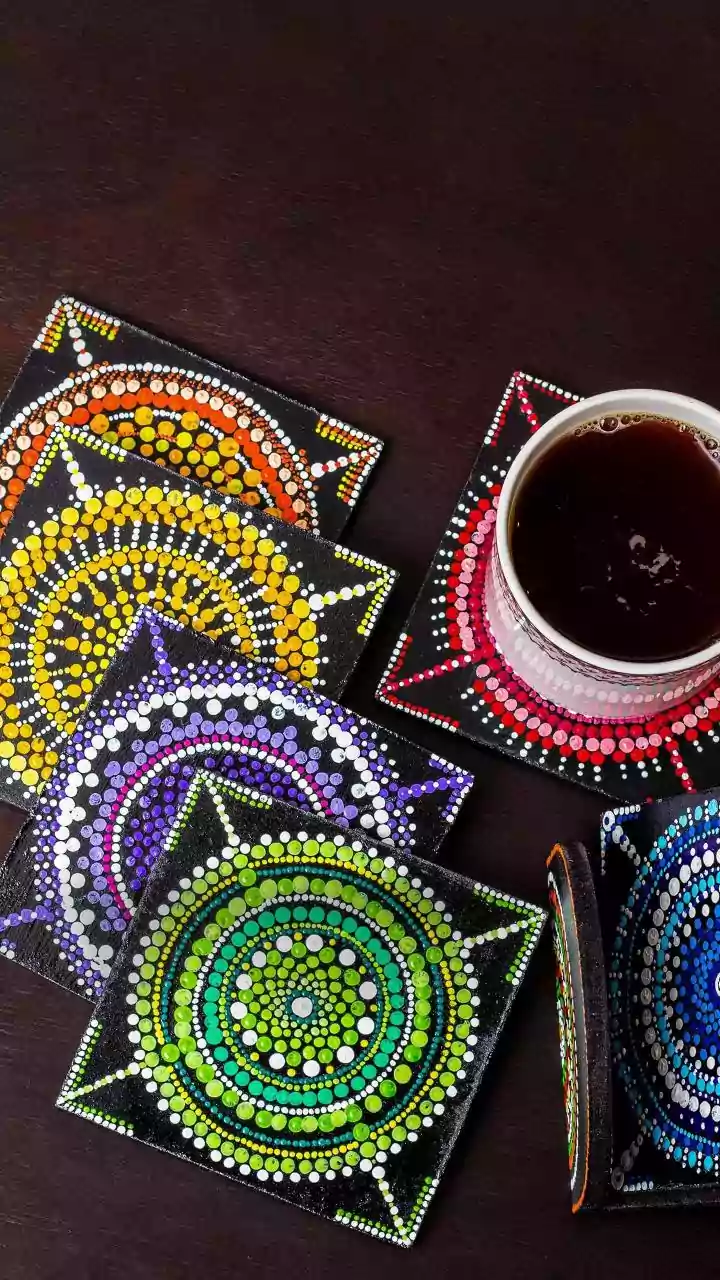
Incorporating this trend doesn't require a complete overhaul. It's about a gradual and personal curation process. Start small by swapping out a mass-produced item for something with more character. This could be handcrafted pottery from a local market, unique textiles like block-printed cushions, or a statement piece of furniture from a local maker. Explore India’s rich craft heritage, from terracotta and cane to intricate handloom fabrics. The key is to choose items that resonate with you personally. It’s not about following a specific style but about creating a space that is a true reflection of your personality and values, a collection of objects you genuinely love.